

Airs spirituels
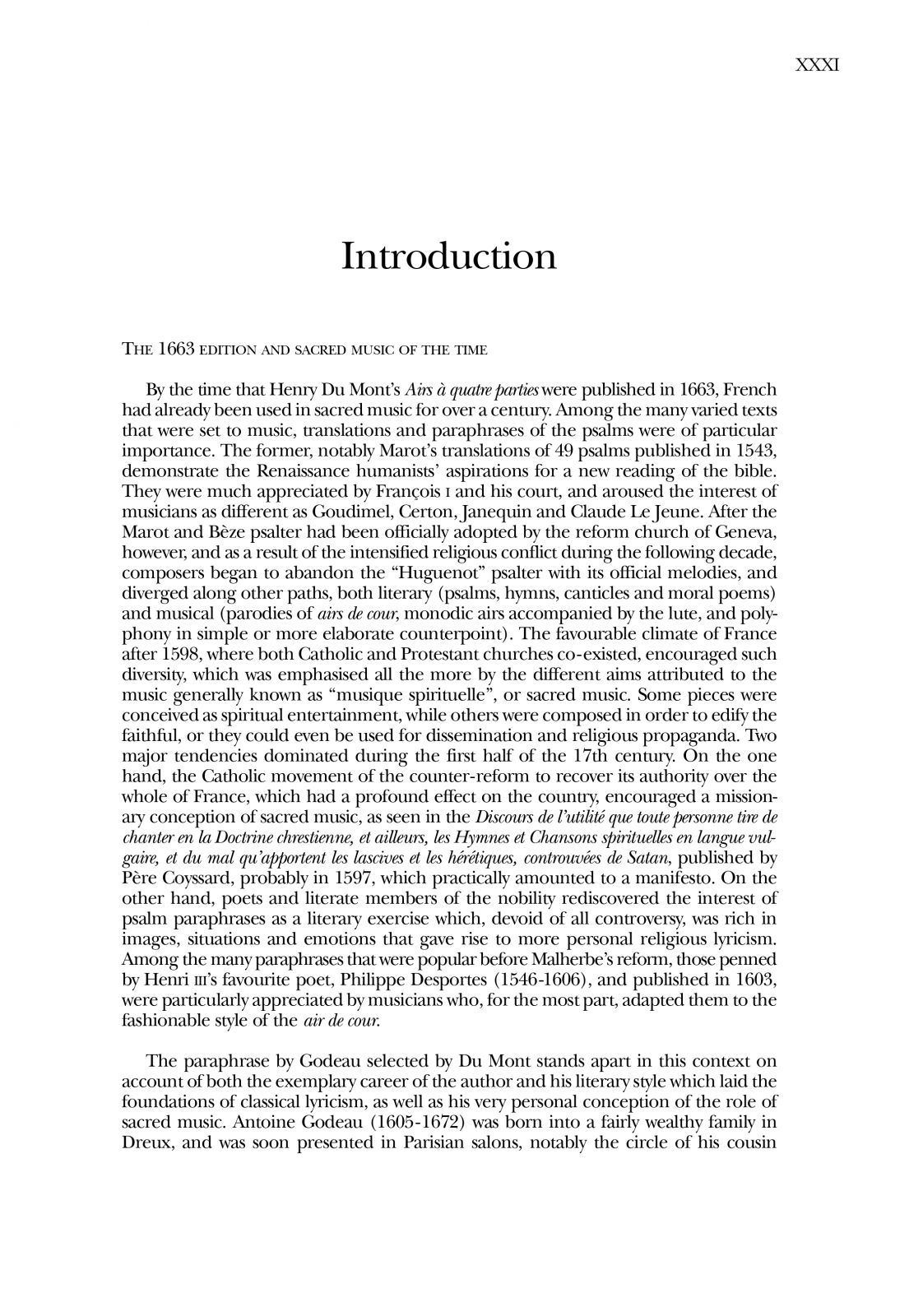
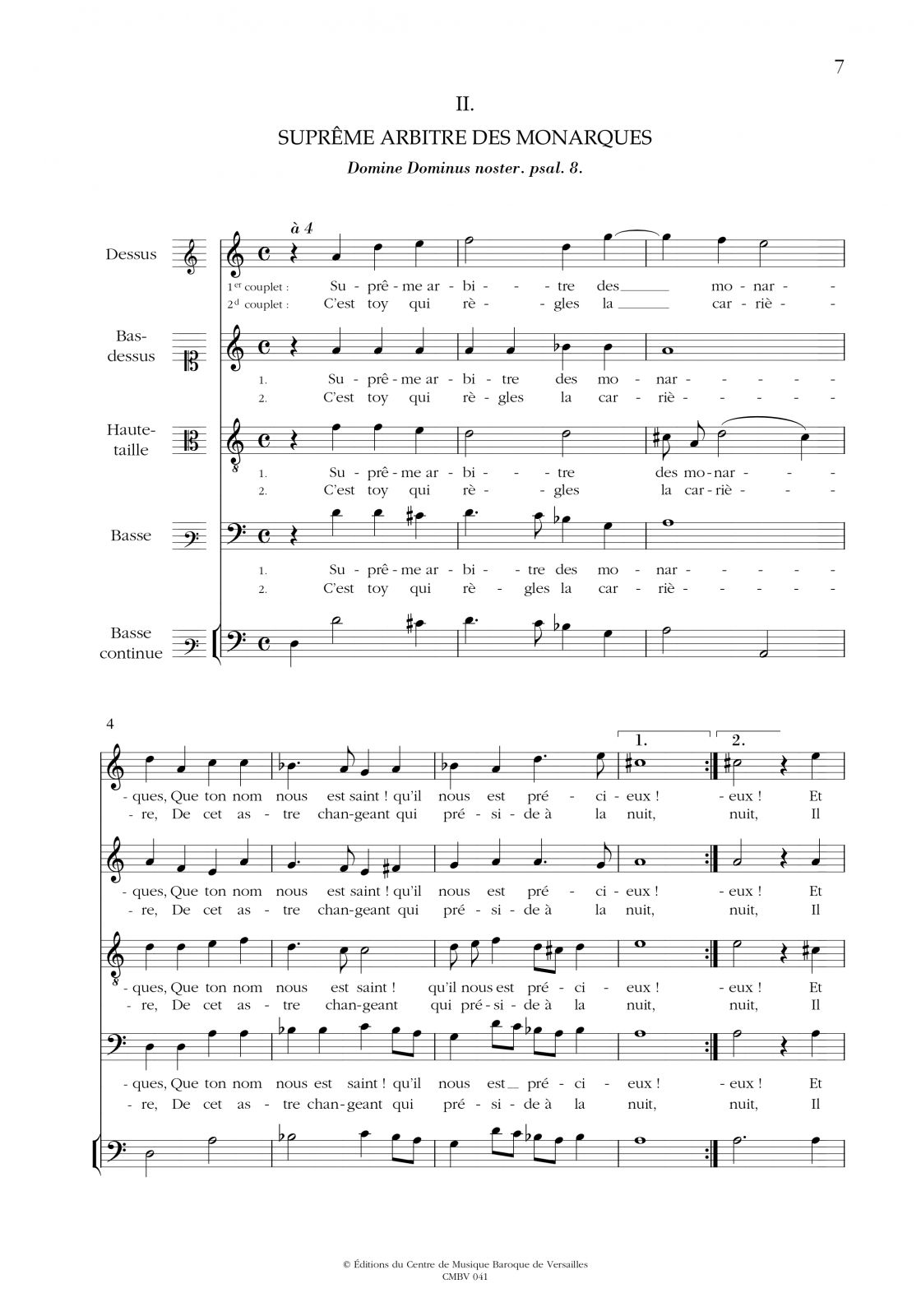
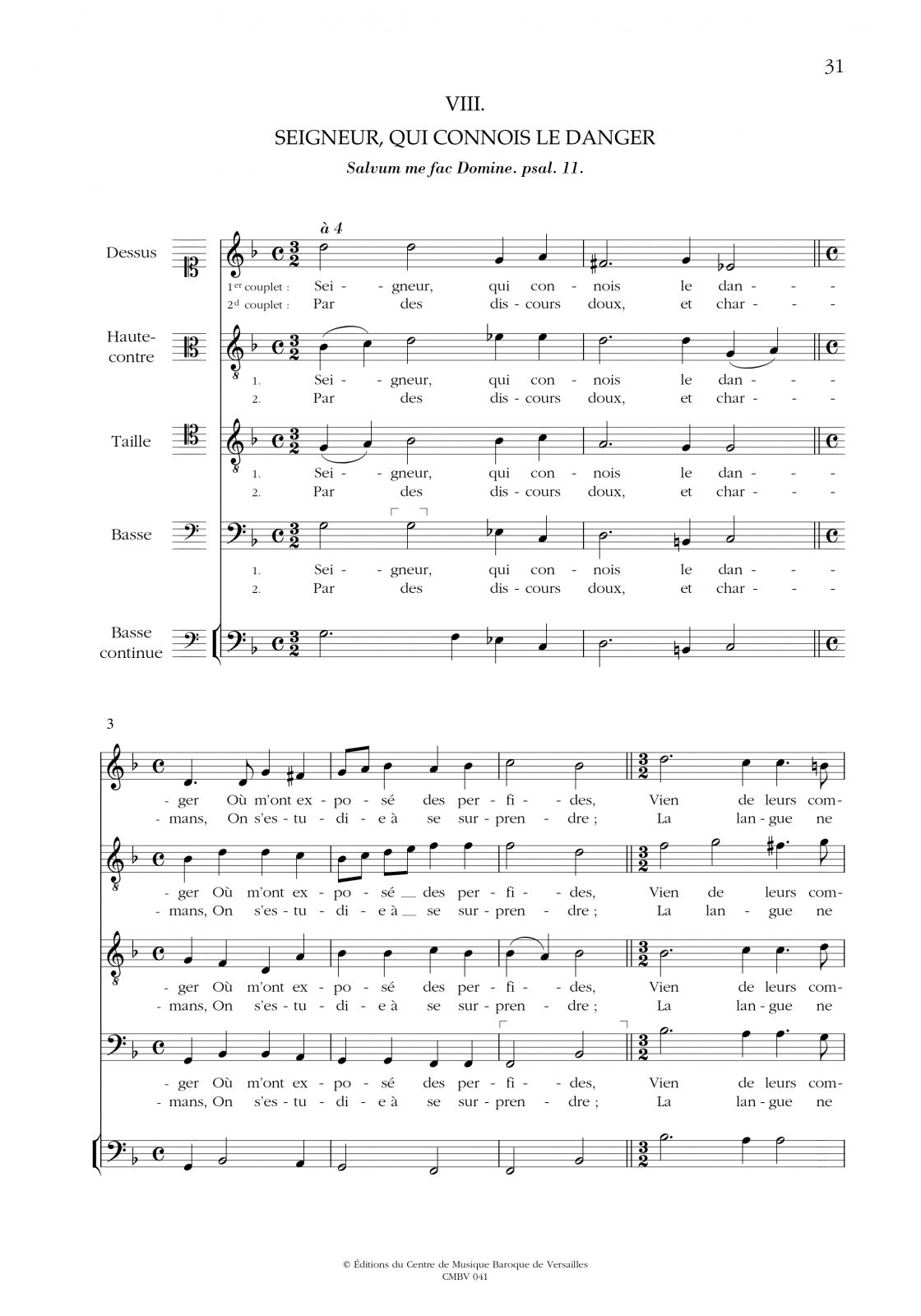
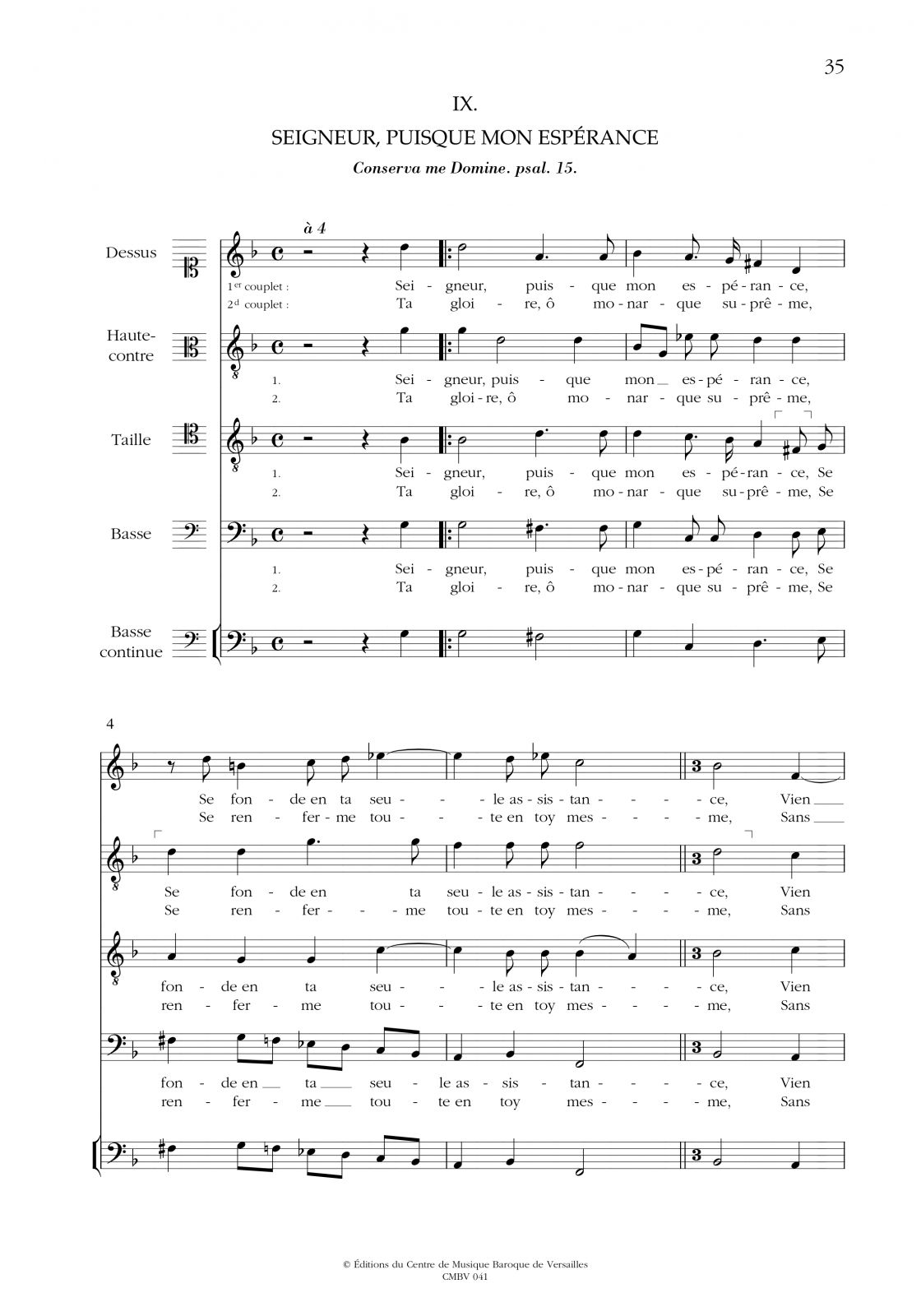
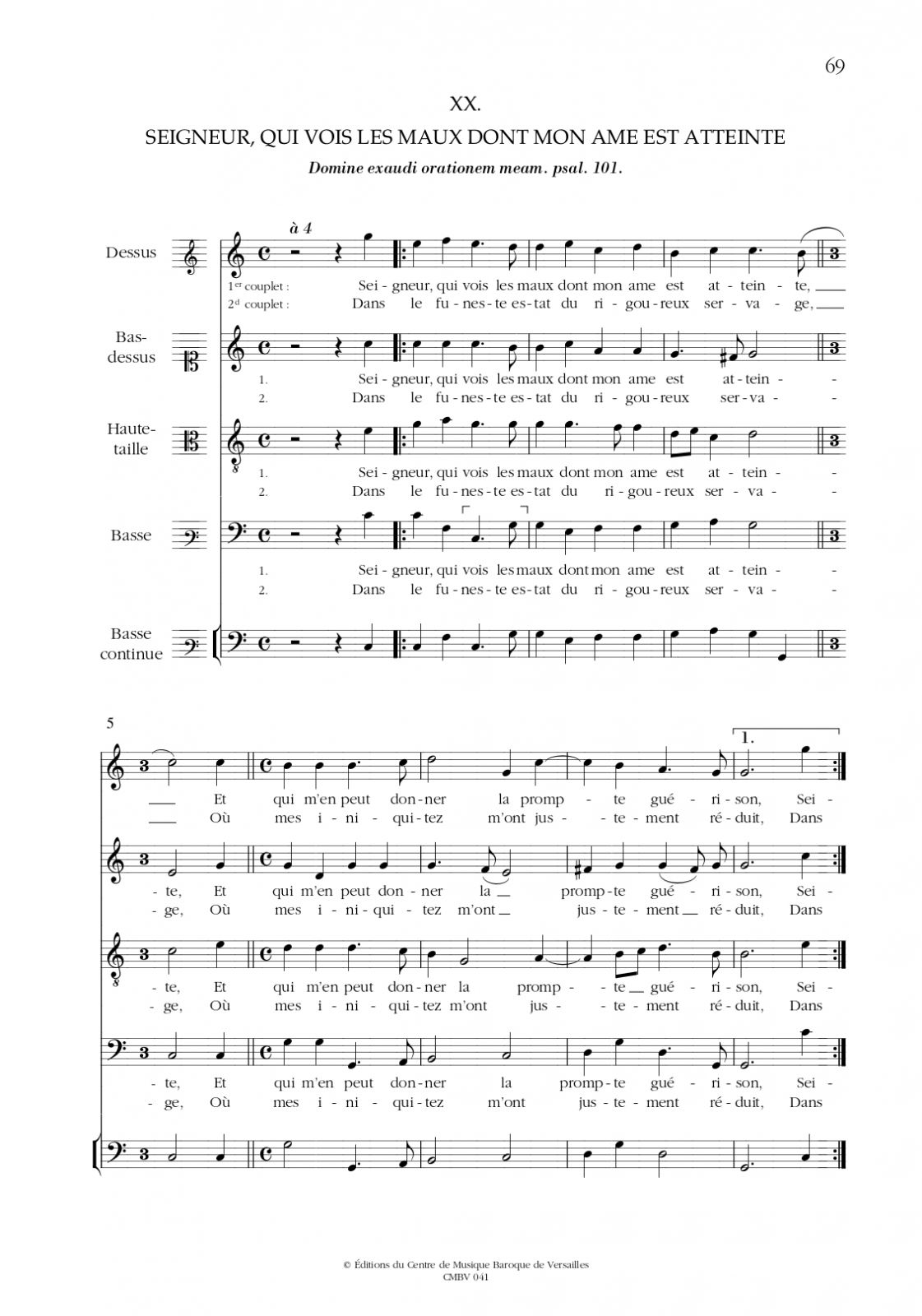
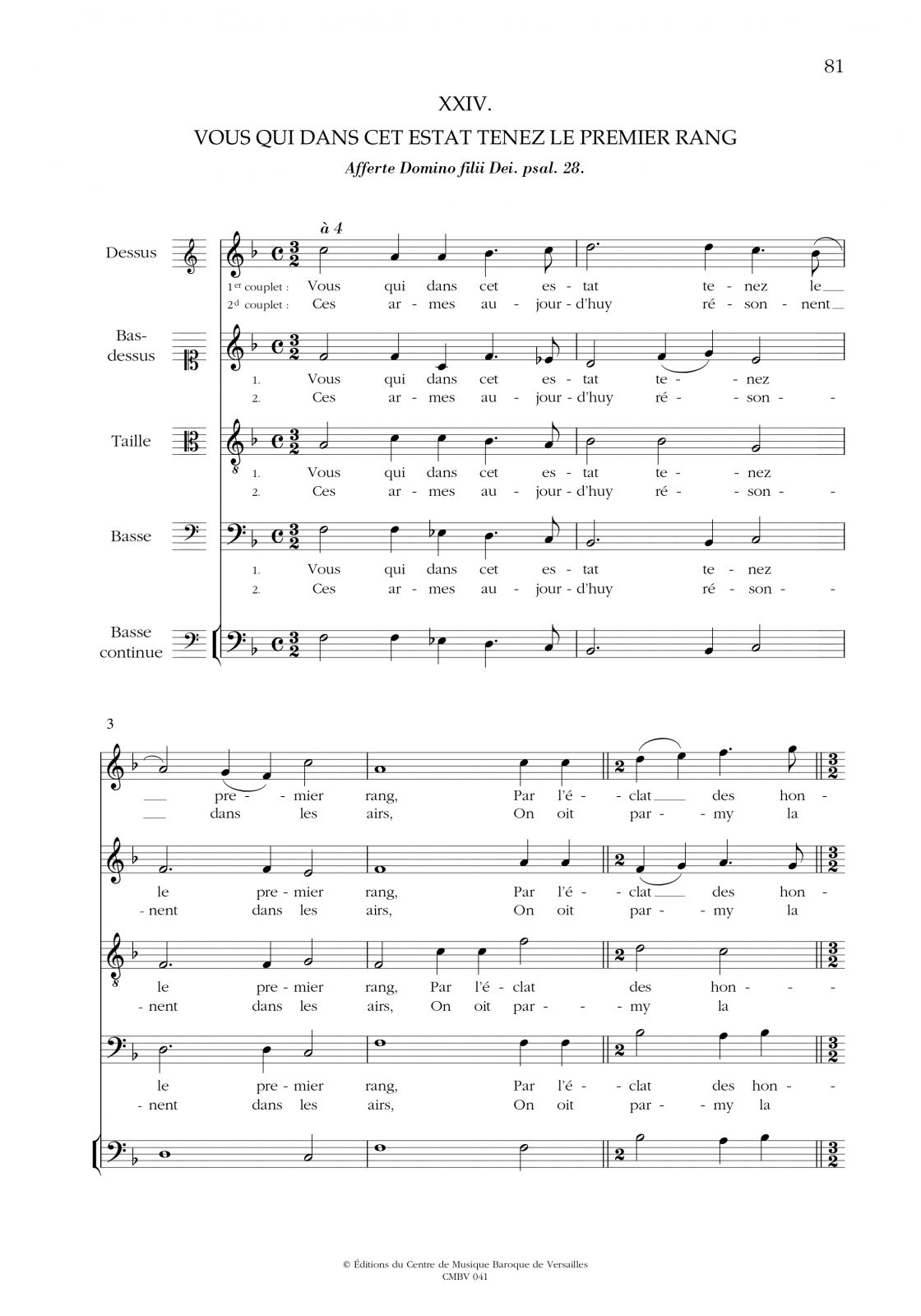
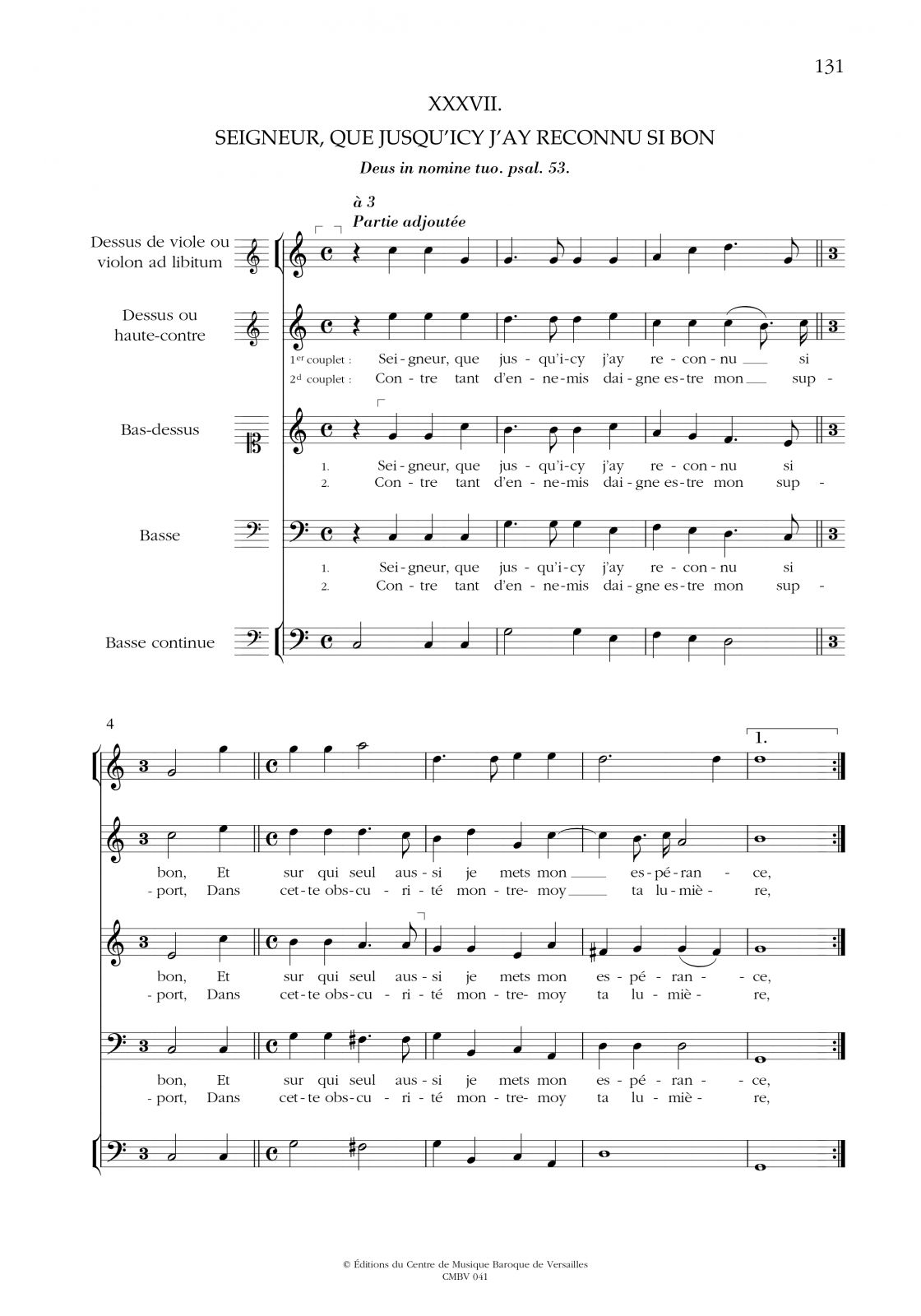
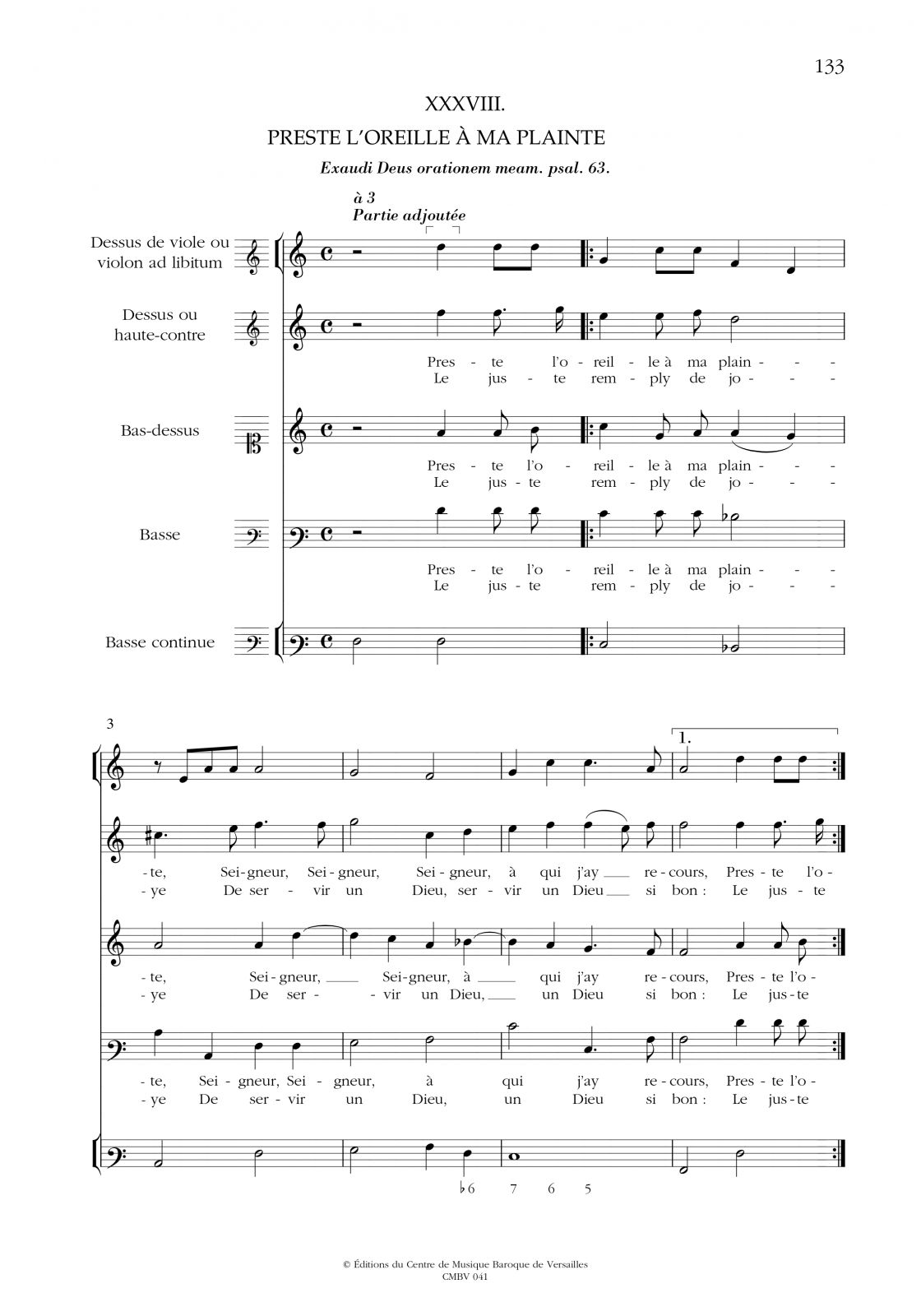
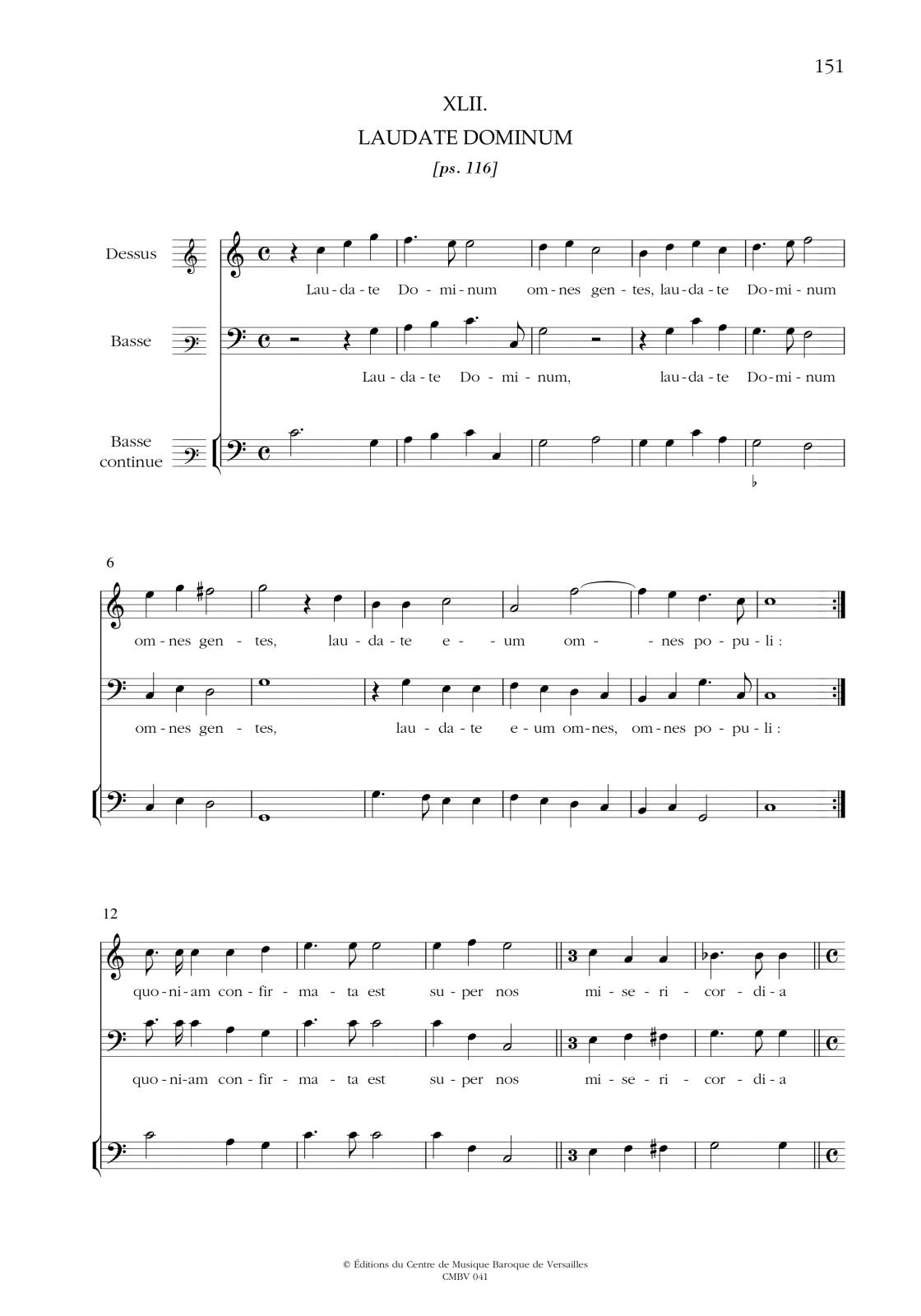


Henry Du Mont’s Airs spirituels en forme de motets mark a pivotal date in the history of spiritual music.
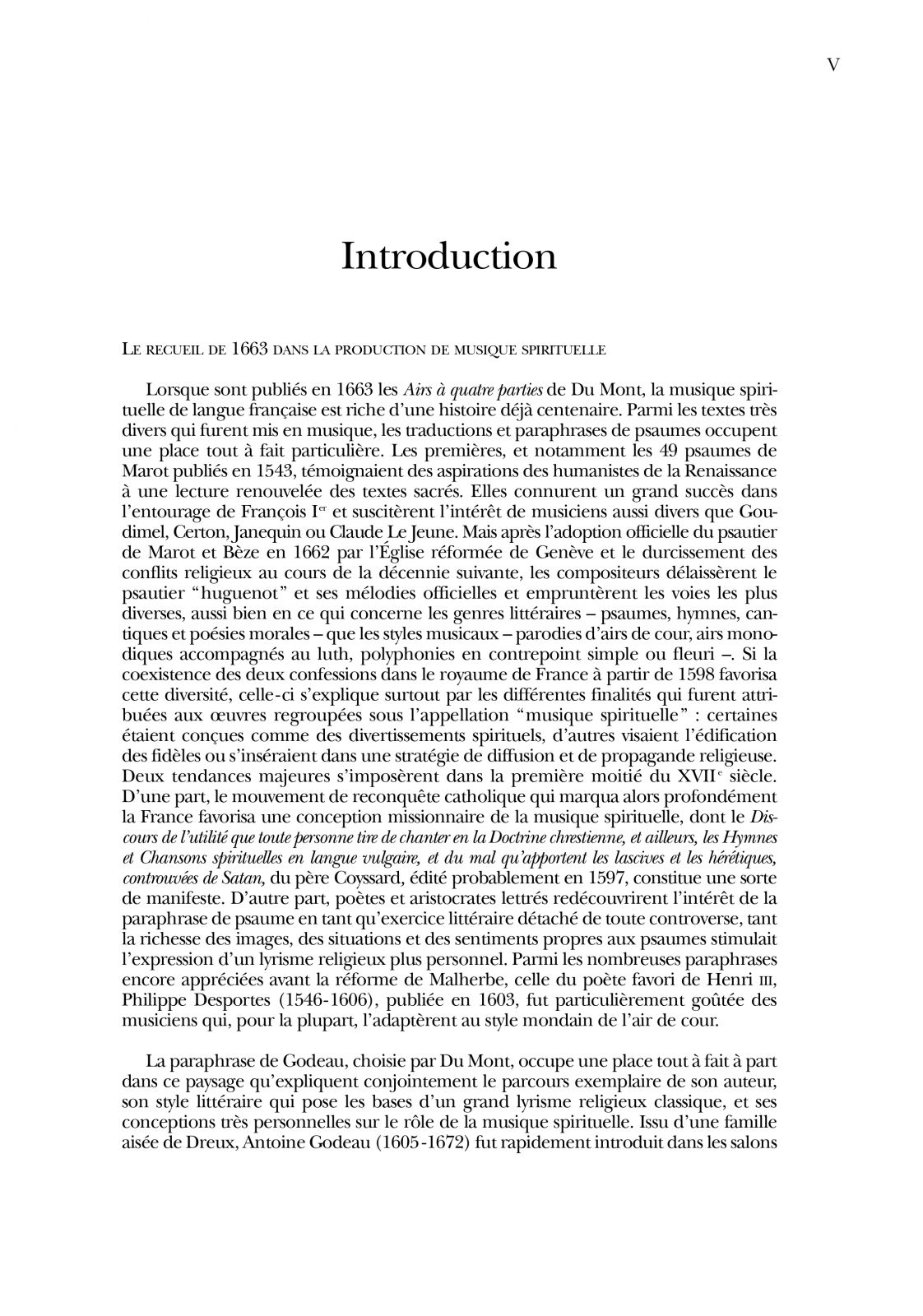
On the one hand, they are part of the tradition of the "first 17th century" and the Counter-Reformation, finding their place among the many collections of spiritual music published at the time to compete with both the Huguenot psalters and the secular songs of the "libertines". But on the other hand, unlike most of these collections, Du Mont’s work bears witness to a unique artistic ambition in this repertoire, heralding the great musical settings of Racine’s Cantiques spirituels at the end of the century. These Airs spirituels derive their musical interest from the convergence of these two didactic and artistic goals so characteristic of 17th-century French thought. With musical means reduced to three or four voices and a basso continuo, Henry Du Mont achieved prodigious compositional finesse, both in the melodic conduct of the different voices, and in the delicacy of the harmony. It should be remembered that this music sets one of the key texts of great classical religious lyricism – the Paraphrase de quelques pseaumes & cantiques de Messire Anthoine Godeau (Paraphrase of several psalms and canticles by Antoine Godeau) – which enjoyed exceptional renown and distribution in its day.
With no particular technical difficulties, but rich in musicality, this repertoire can appeal to amateur choirs and vocal ensembles as well as to specialists in French music. This musical interest is matched by a major musicological interest. Master of the Chapelle Royale, Du Mont was one of the founders of the grand motet, and played a considerable role in the development of the new religious style under Louis XIV. For the musicologist, the Airs à quatre parties shed a unique light on both the history of spiritual music, and the work and personality of Du Mont.
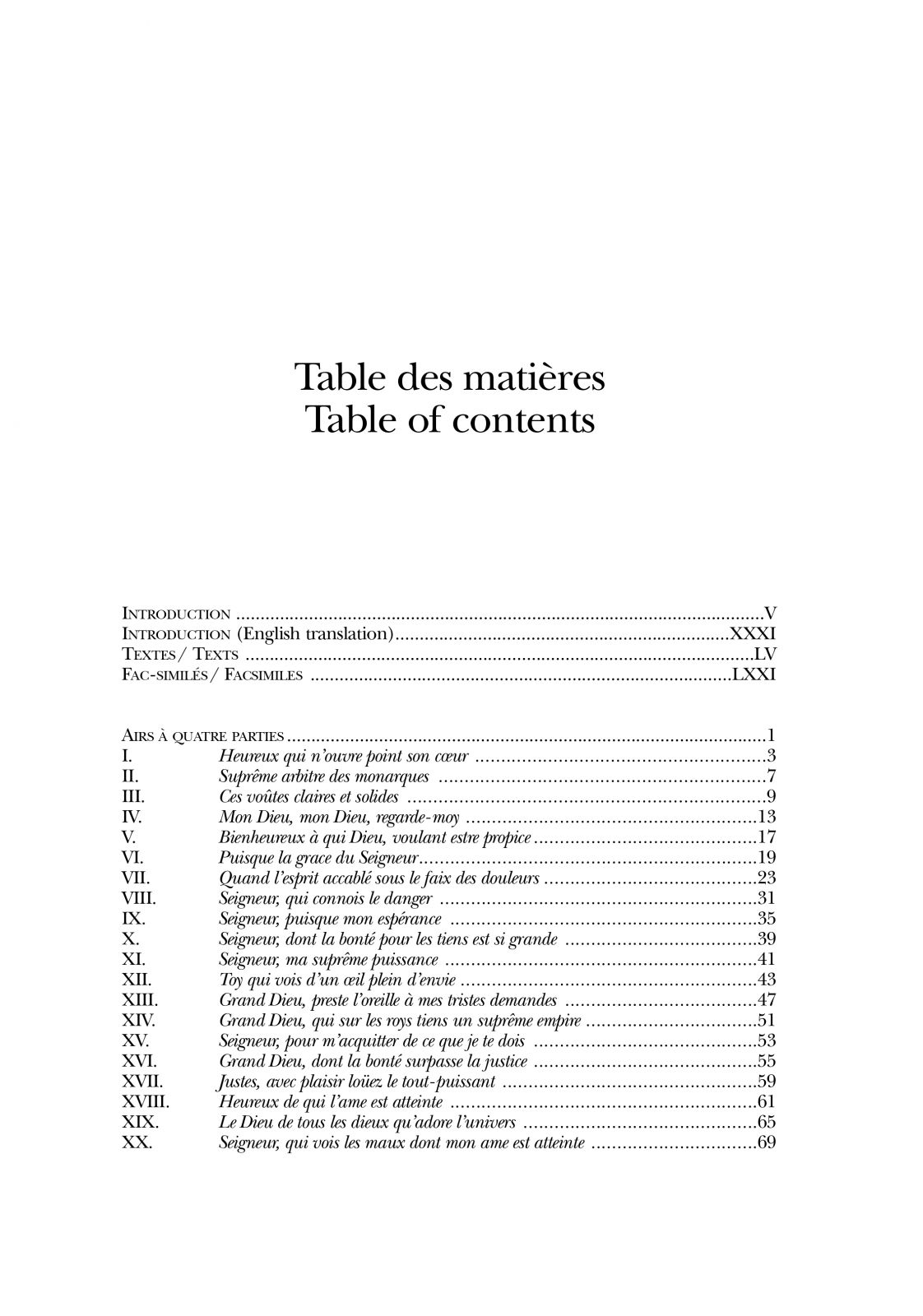
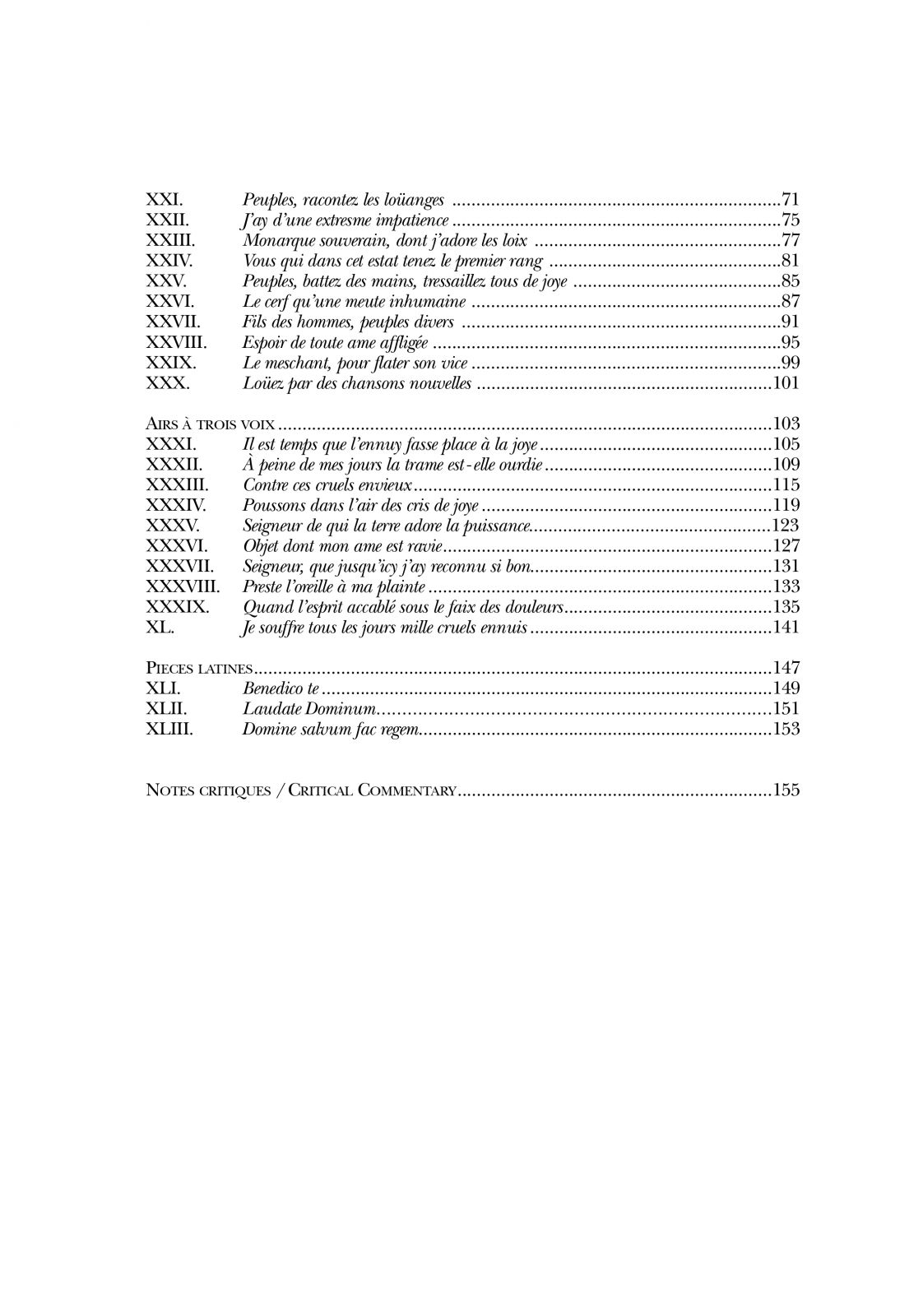
The collection comprises thirty 4-part airs with basso continuo, ten 3-part airs with basso continuo and instrumental accompaniment, and three petits motets in Latin. With the exception of two particularly well-developed airs, the rest are between 15 and 30 bars long.
The works
Recommendations


