

Meslanges (1657)
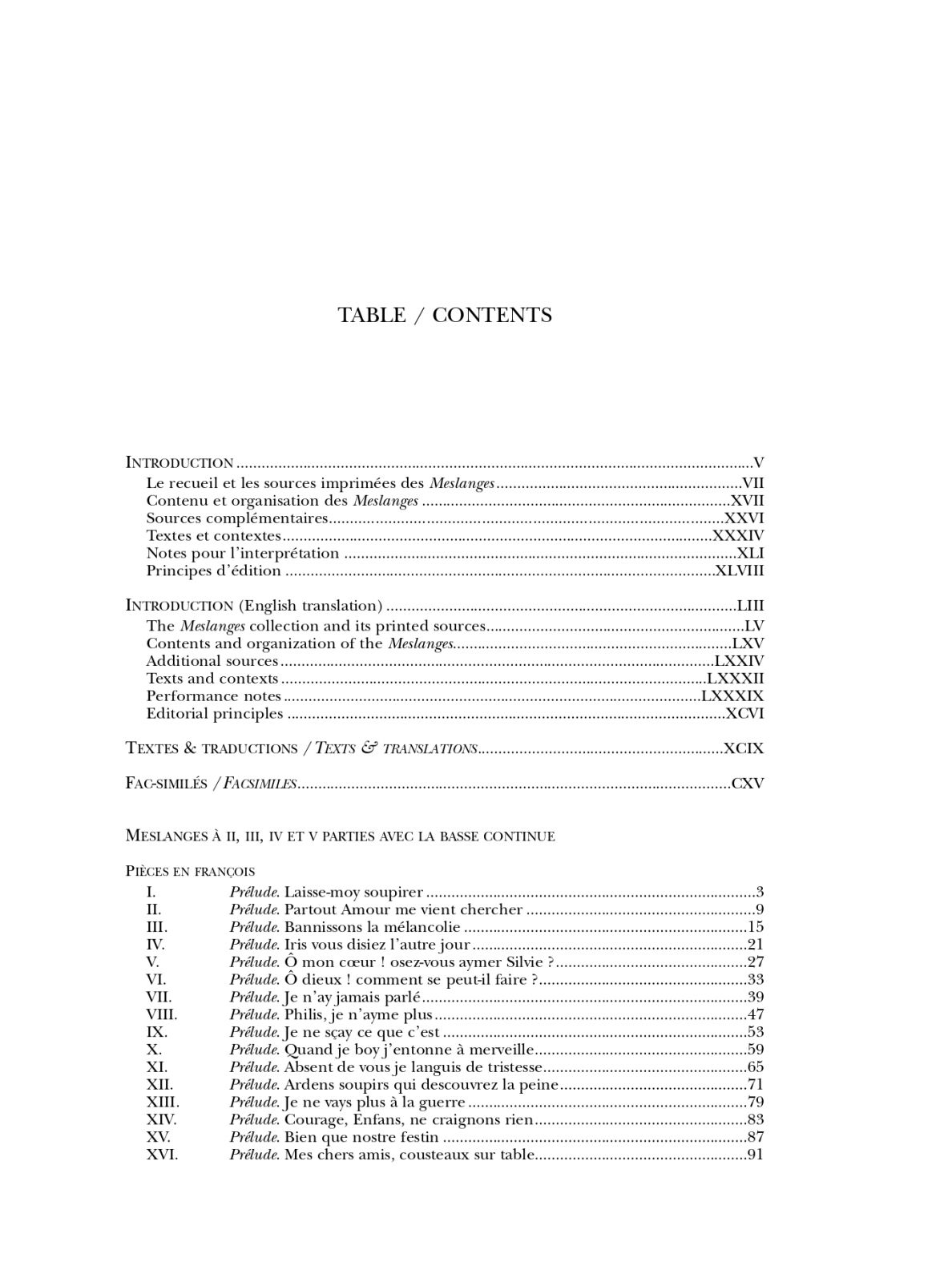
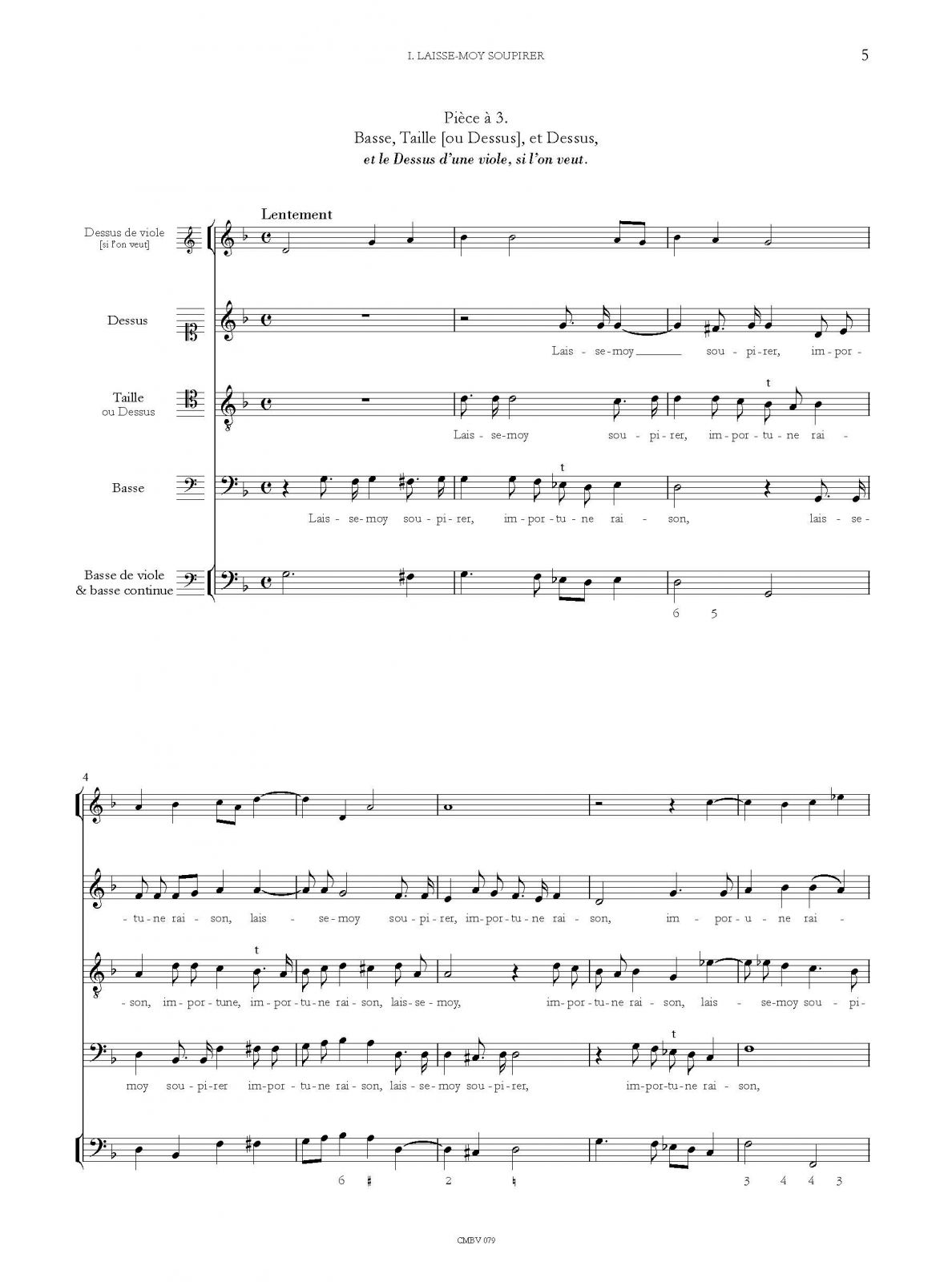
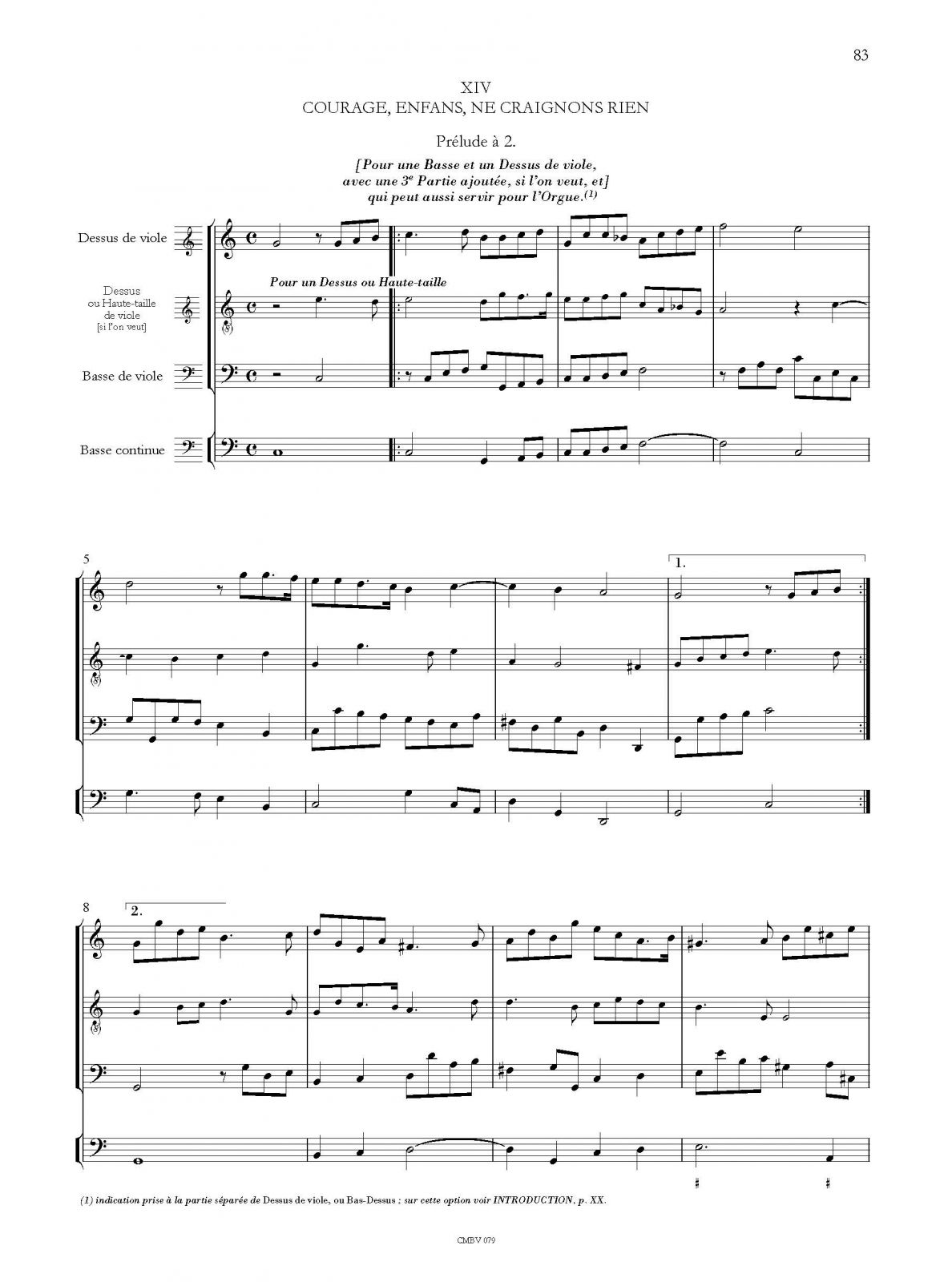
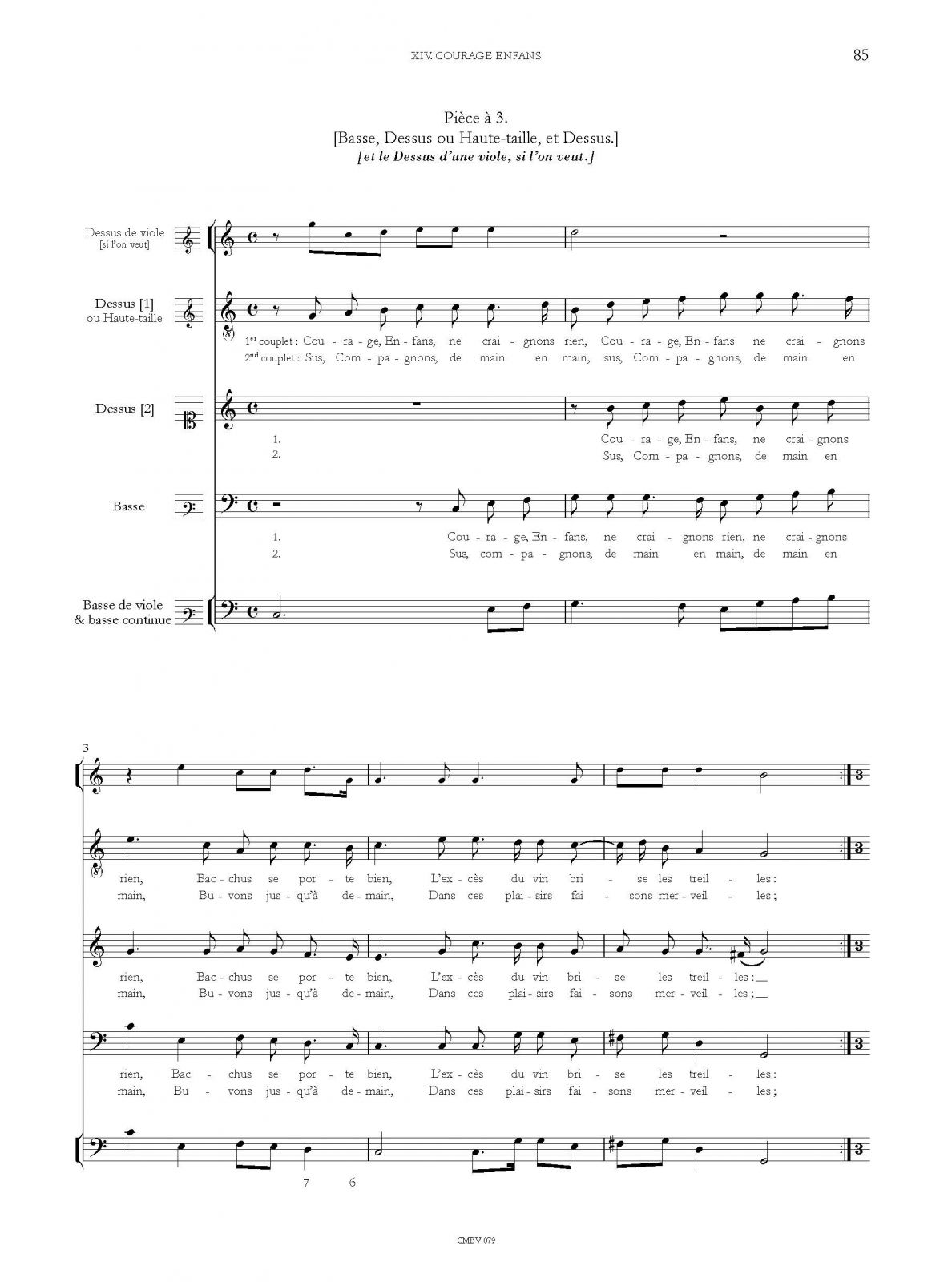
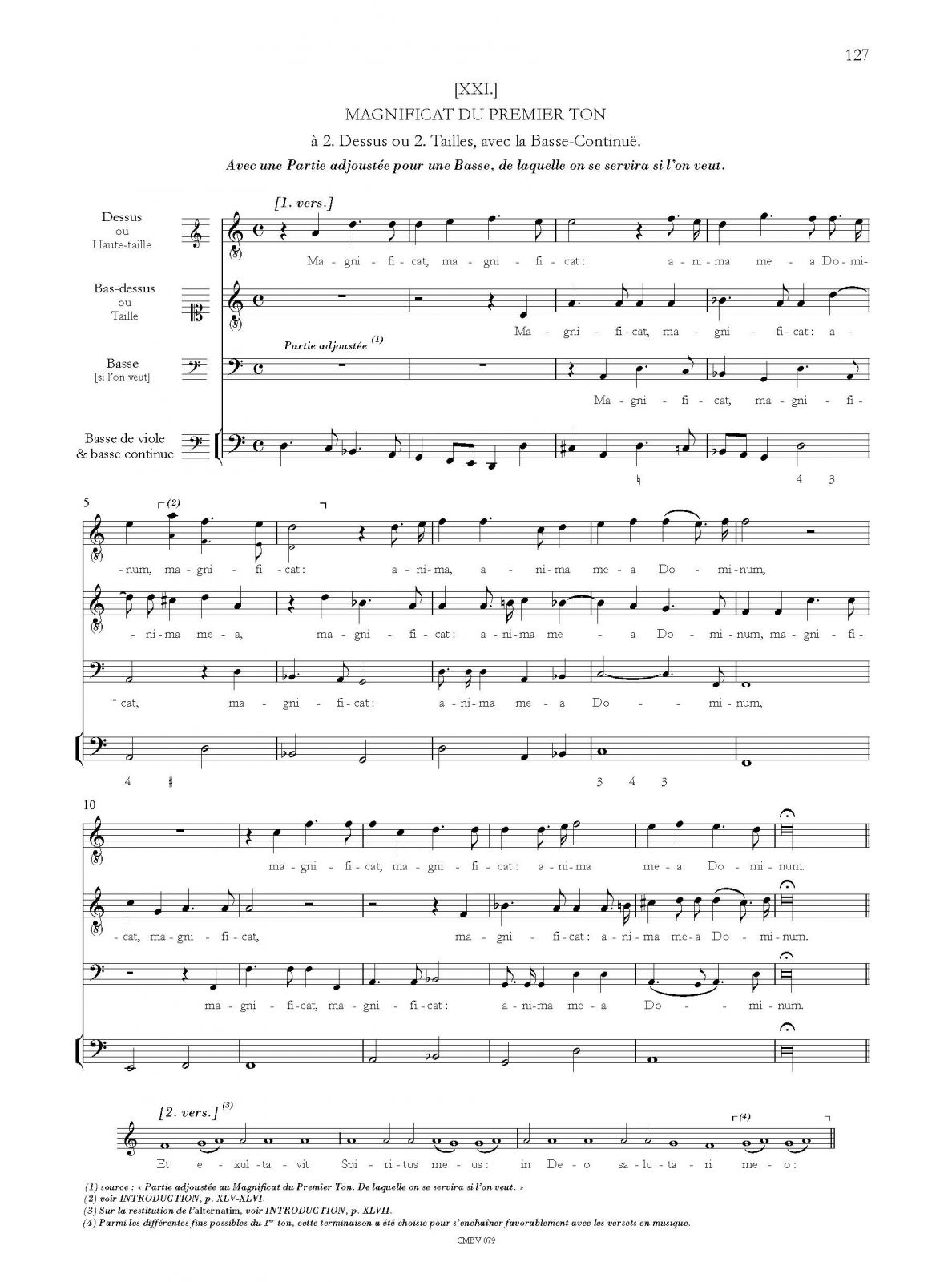
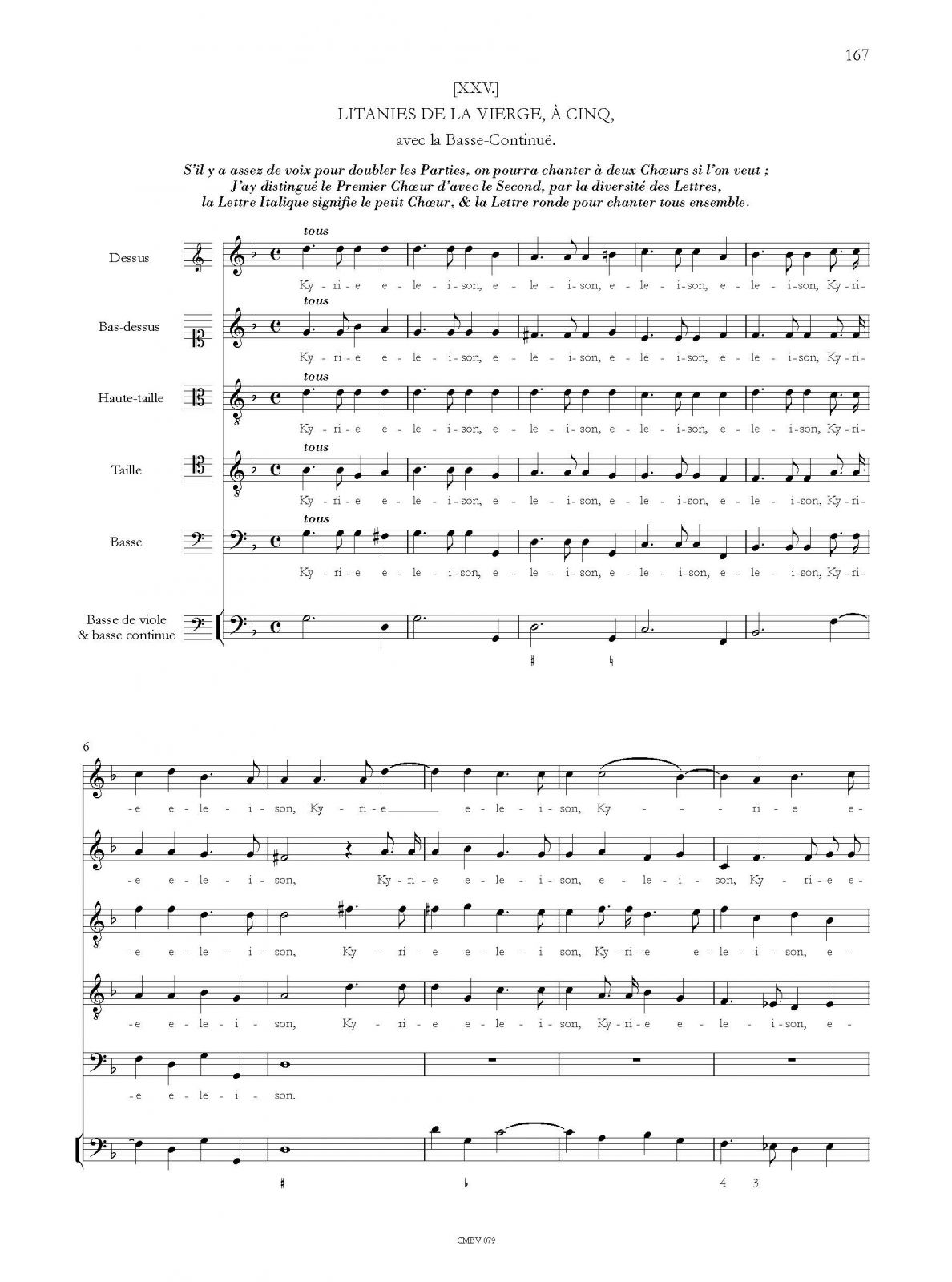
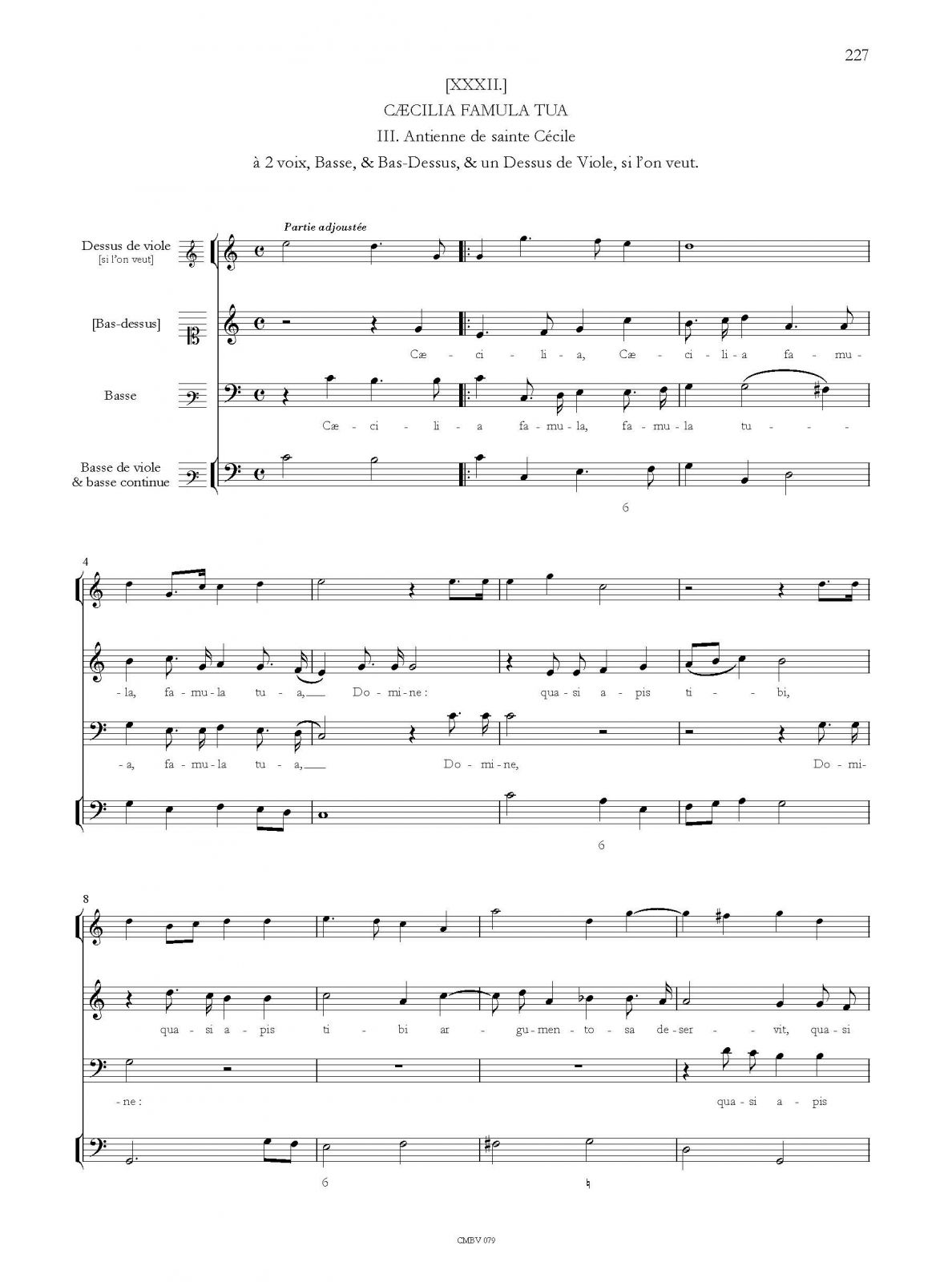
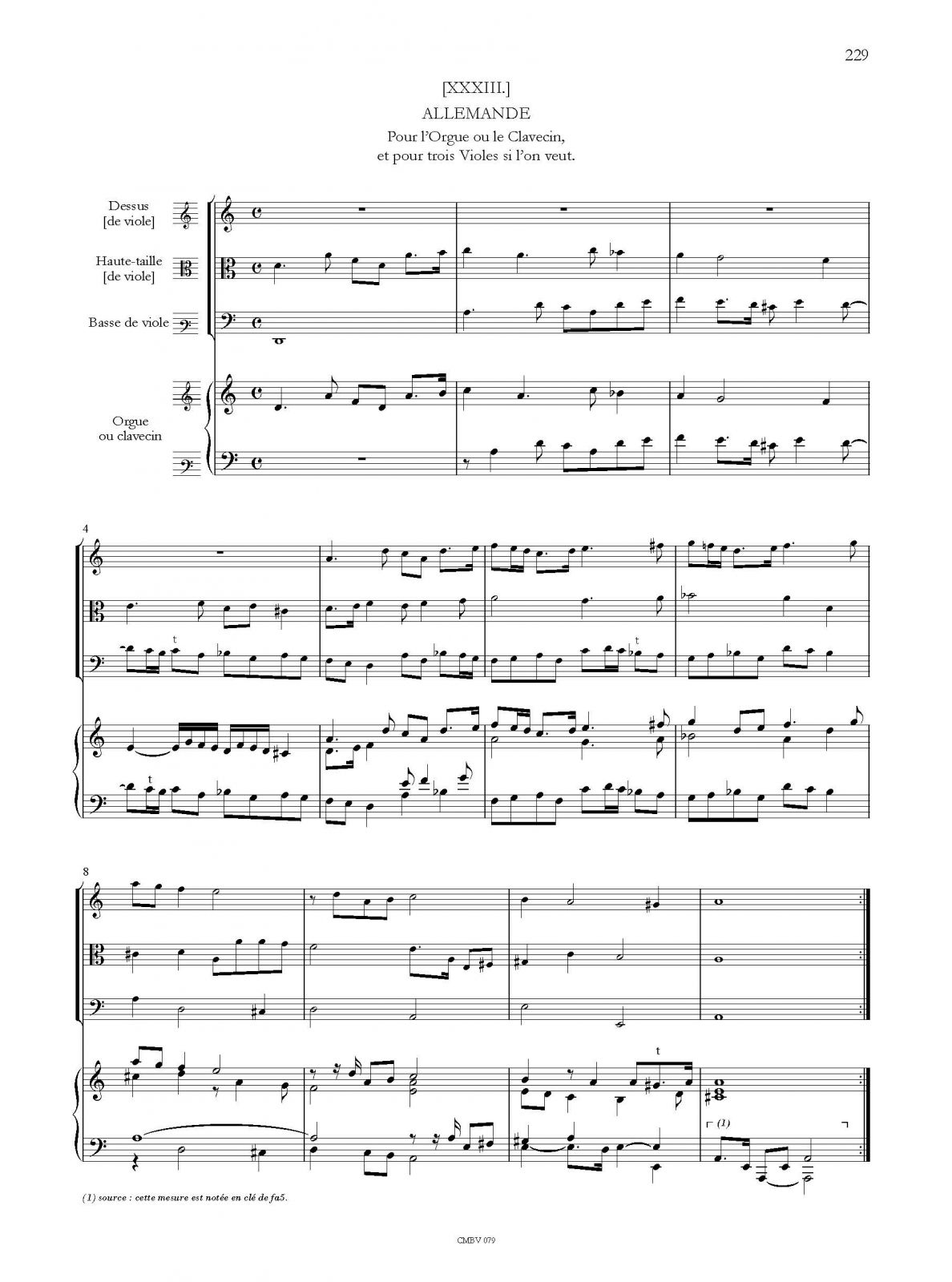


The Centre de musique baroque de Versailles publishes the twelfth volume of the monumental edition devoted to the work of Henry Du Mont. The Meslanges of 1657 contain 19 pieces "in French", 12 pieces "in Latin" and 3 instrumental pieces.
The name of Henry Du Mont (1610–1684) is today usually associated with religious music. The man who was in turn an altar boy and then organist at the Basilica of Notre Dame in Maastricht, organist of Saint-Paul-des-Champs in Paris, master and composer of the Musique de la Chapelle of the King and Queen Marie-Thérèse, is indeed known above all for his many motets and the five Masses in plainchant, published in 1669, reprinted many times. In this collection, he shows the great variety of his art, at a time when his reputation was growing. These "pieces in French" in particular, a rare testimony to his secular work, form a singular corpus at a time when the reign of the "air de cour" was coming to an end and that of the "serious air" beginning.
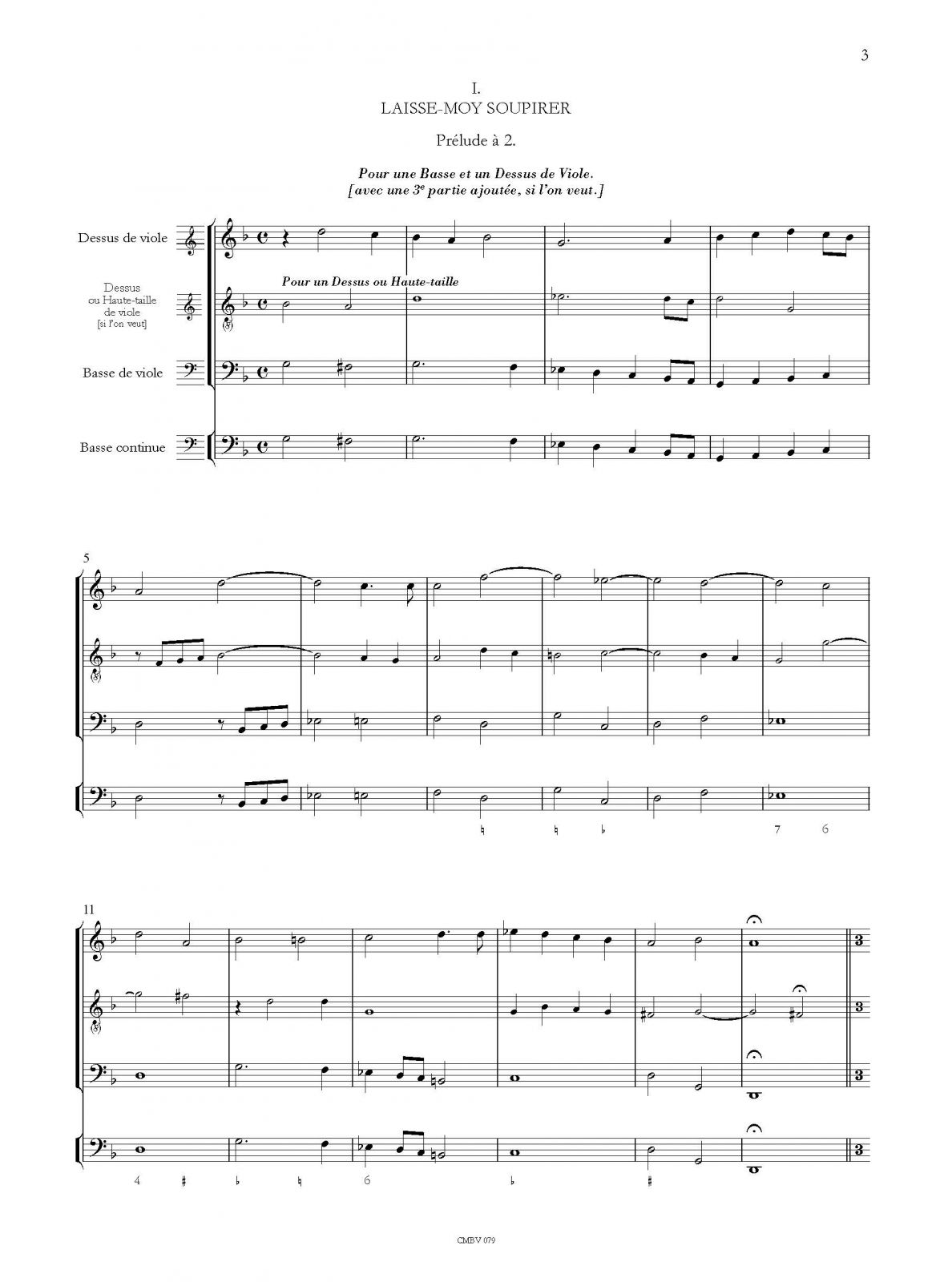
Henry Du Mont’s Meslanges offers a rich and varied corpus of thirty-four pieces. The first section contains nineteen "pieces in French": eleven "chansons galantes", seven "drinking songs" and one devotional piece, each preceded by an instrumental "prelude" ad libitum. A second section brings together twelve motets ("pieces in Latin"): three Magnificats, Litanies of the Virgin, three Domine salvum fac regem, three antiphons to Saint Cecilia, as well as two motets on composed texts. The collection is completed by three independent instrumental pieces, one Pavane and two Allemandes. The scholarly editor addresses many points relating to this collection, from its different editions, its organisation, the numerous complementary sources, the texts, the context of the secular pieces, as well as the many variations of scoring suggested by the composer.
Thomas Leconte is a researcher and editor at the Centre de musique baroque de Versailles. His work focuses on the historical and musical study of seventeenth-century French social music, and on the genesis of the first "grand motet" (1643-1682) of the reign of Louis XIV, to which he has devoted numerous publications. At the same time, he is interested in the religious music of the provinces of France in the seventeenth and eighteenth centuries, as well as in the special ceremonies of the French court (repertoire, practice).
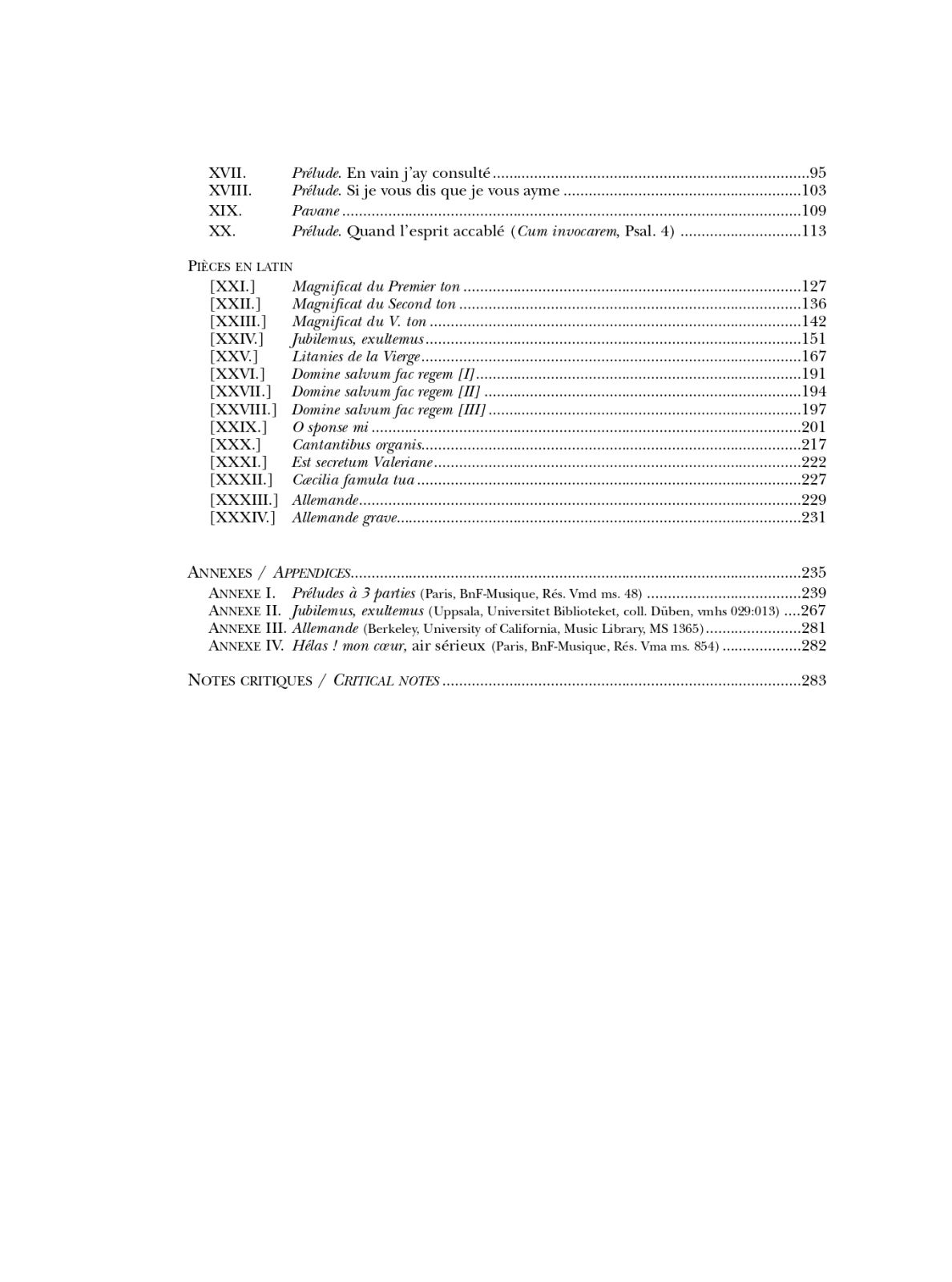
Préludes à 3 parties (Paris, BnF-Musique, Rés. Vmd ms. 48)
Jubilemus, exultemus (Uppsala, Universitet Biblioteket, coll. Düben, vmhs 029:013)
Allemande (Berkeley, University of California, Music Library, Ms. 1365)
Hélas ! Mon cœur, air sérieux (Paris, BnF-Musique, Rés. Vma ms. 854)
XXIV. Jubilemus, exultemus (part for one Dessus de viole)
XXIX. O sponse mi (part for one Dessus de viole)