

Les foyers artistiques à la fin du règne de Louis XIV (1682-1715)
Musique et spectacles
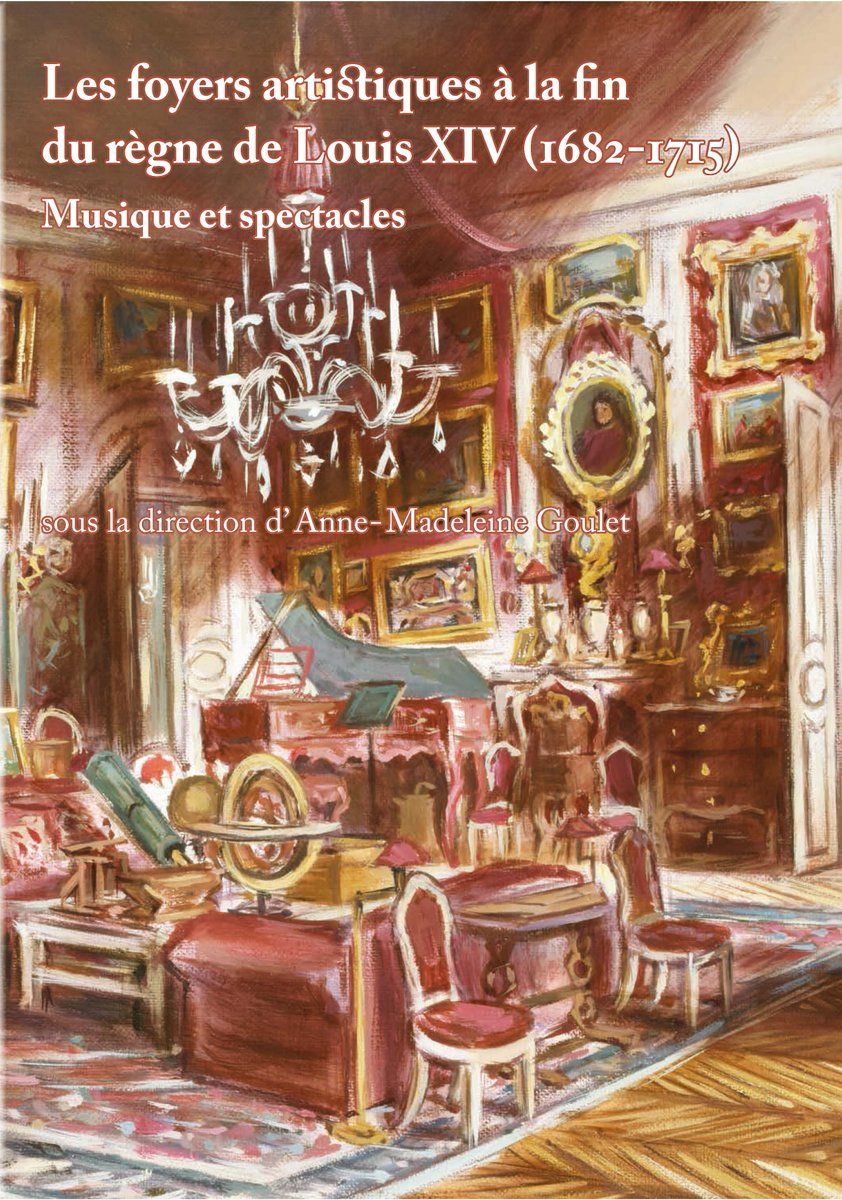

In 2009, the collection of studies published under the direction of Jean Duron, Le Prince et la musique, les passions musicales de Louis XIV (Centre de musique baroque de Versailles, Mardaga), addressed the central question of the king’s taste, pointing out the very singular position of the court of Versailles. The present book, by broadening the investigation, puts forward the hypothesis that the Court, far from imposing an immutable norm, authorised the development, albeit in a minor way, of other forms of culture. The notion of "foyer" (home, circle) appears to be particularly effective in identifying those who produced the norms of the new taste and who established their value, in the aesthetic and economic sense of the term.
The aristocratic residences of Paris and the Île de France, whether we think of the residences of Philippe d'Orléans, the Princess of Conti, the Duke and Duchess of Maine, the King of England in exile, or the private mansions of the Marais where female social styles dominated, imposed themselves as dynamic artistic centres, open to theatre and music. This book investigates their hierarchy, their concrete functioning and the relations they had with the Court. It highlights the tension between the Versailles model, always quick to impose an artistic standard, and the development of other creative spaces between 1682 and 1715.
By identifying those people who shaped the tastes of their time, by illustrating the ability of provincial musicians to insert themselves into the artistic circles of the capital, and by also considering the discursive and political strategies that aimed to constitute centres of production and performance on the fringes of the Court, this book offers a more complete picture of the musical and theatrical life in France at the end of the reign of Louis XIV.
Recommendations


