

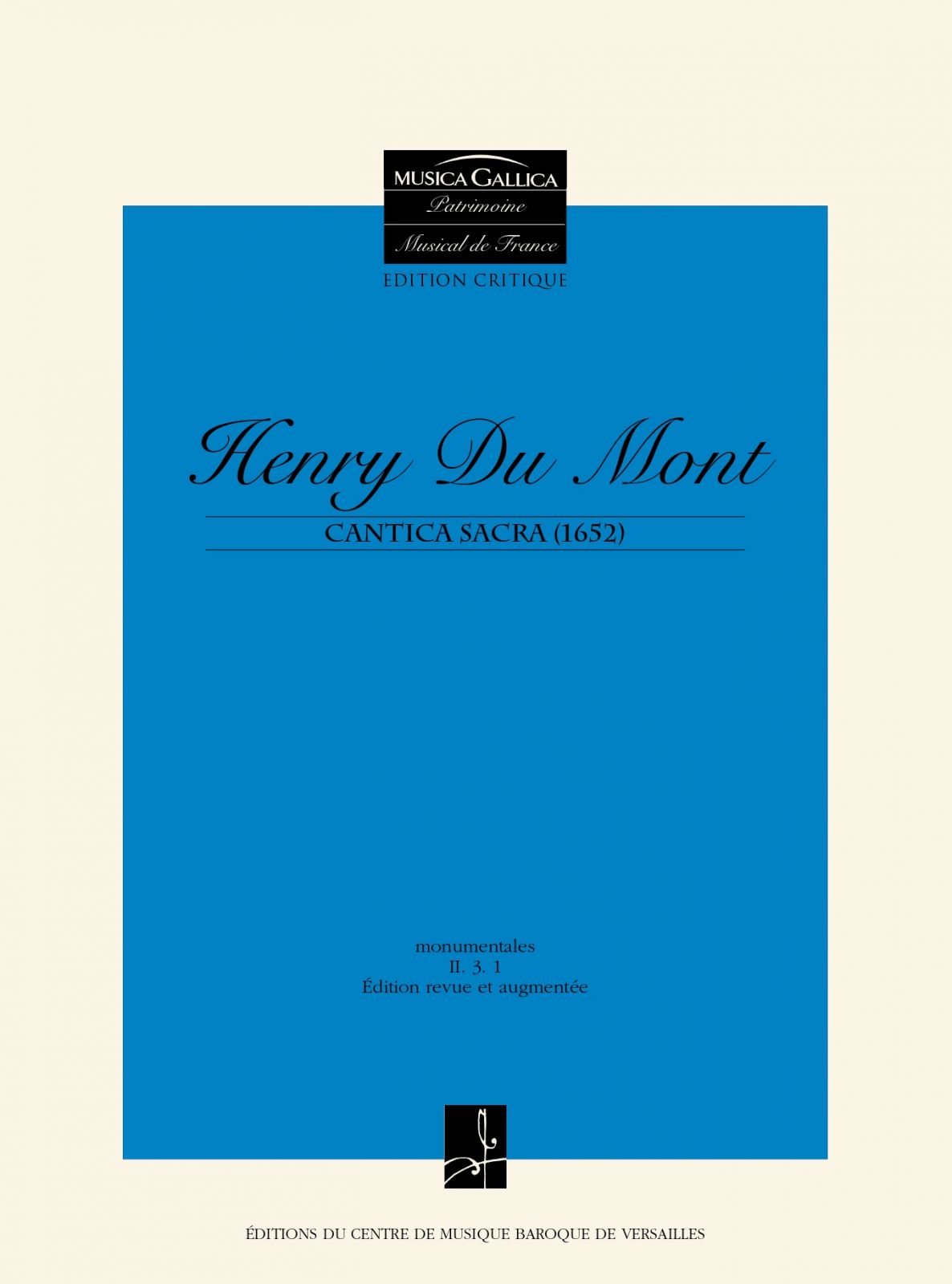
Cantica sacra (1652)
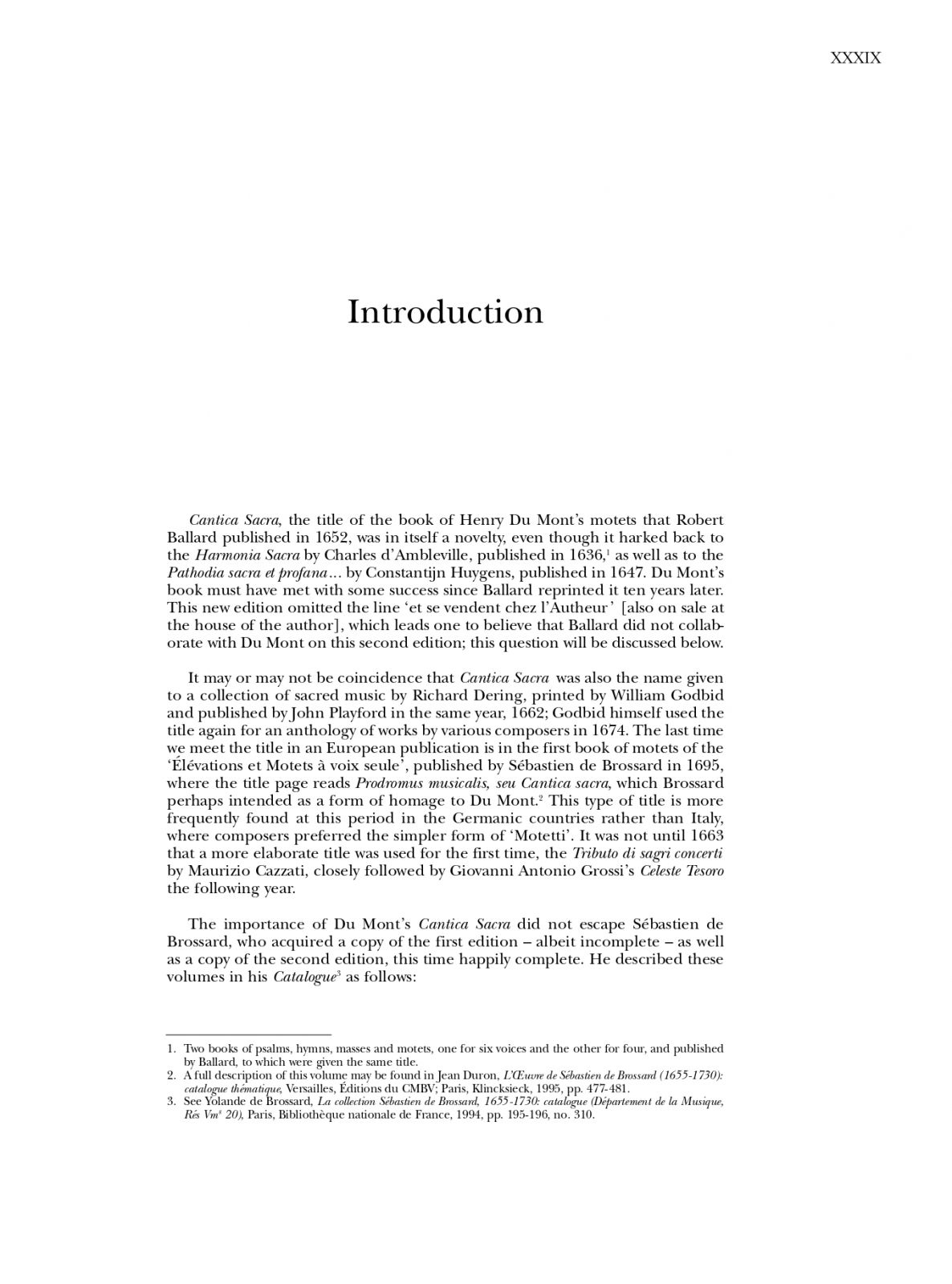
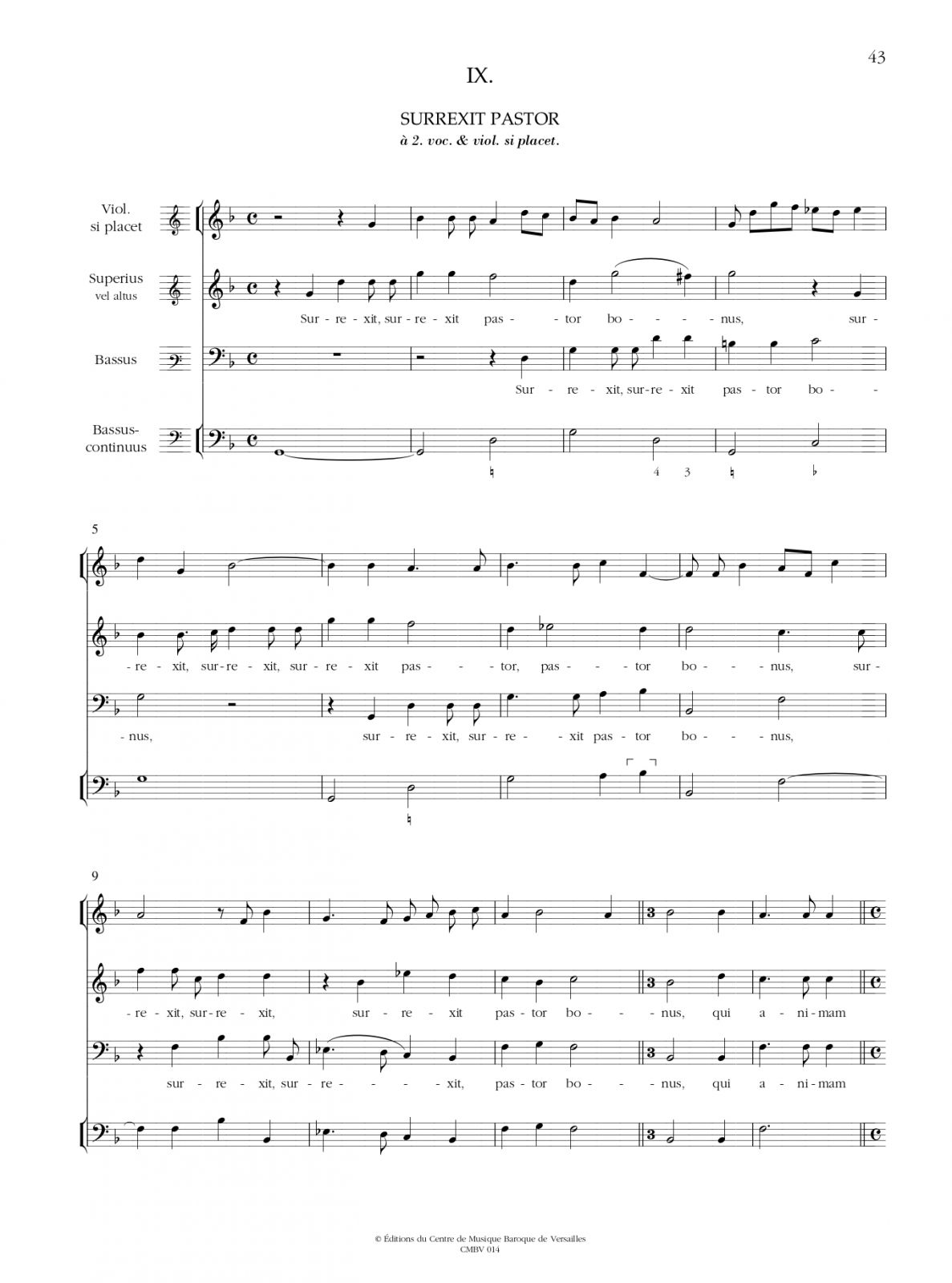
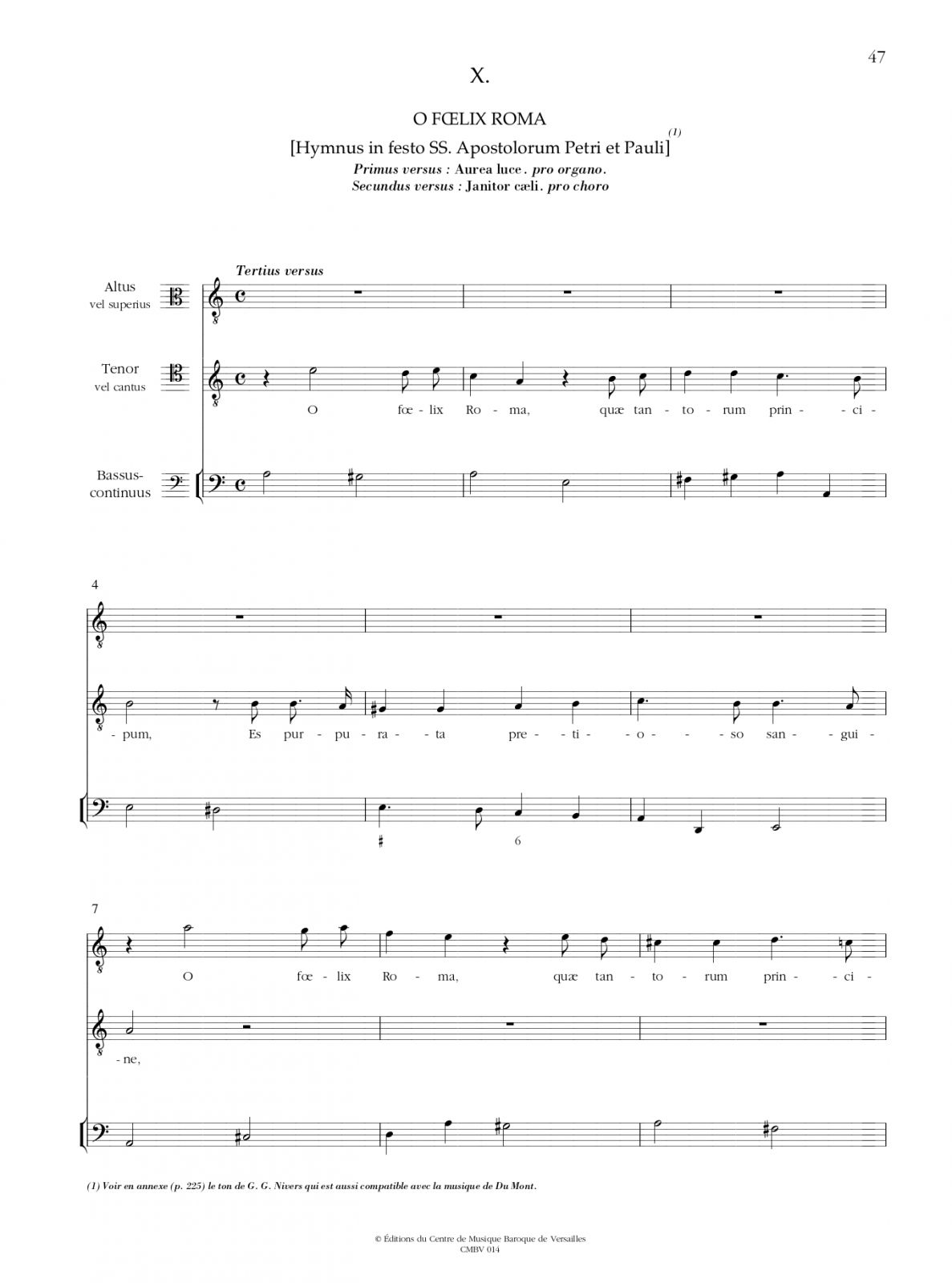
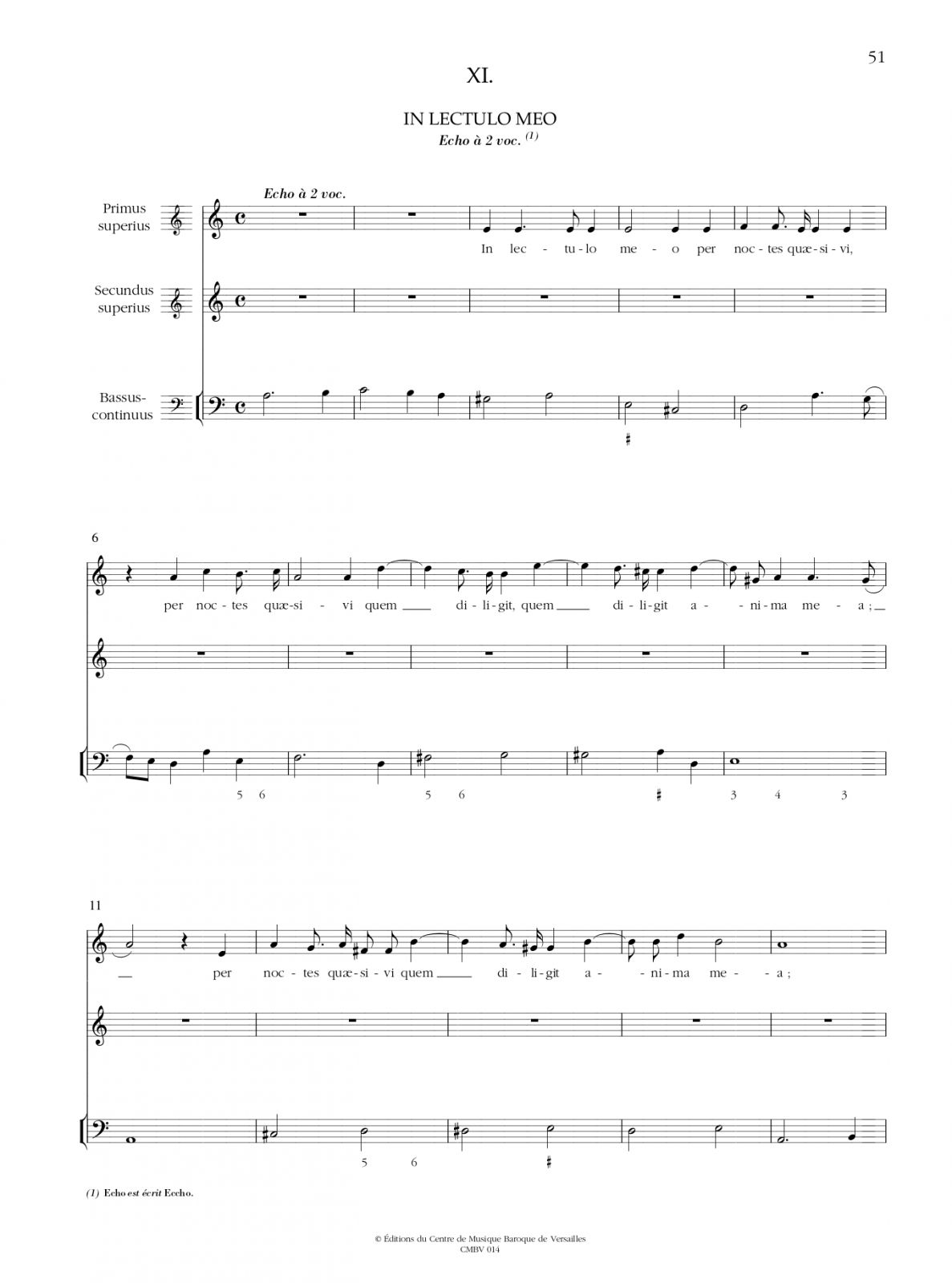
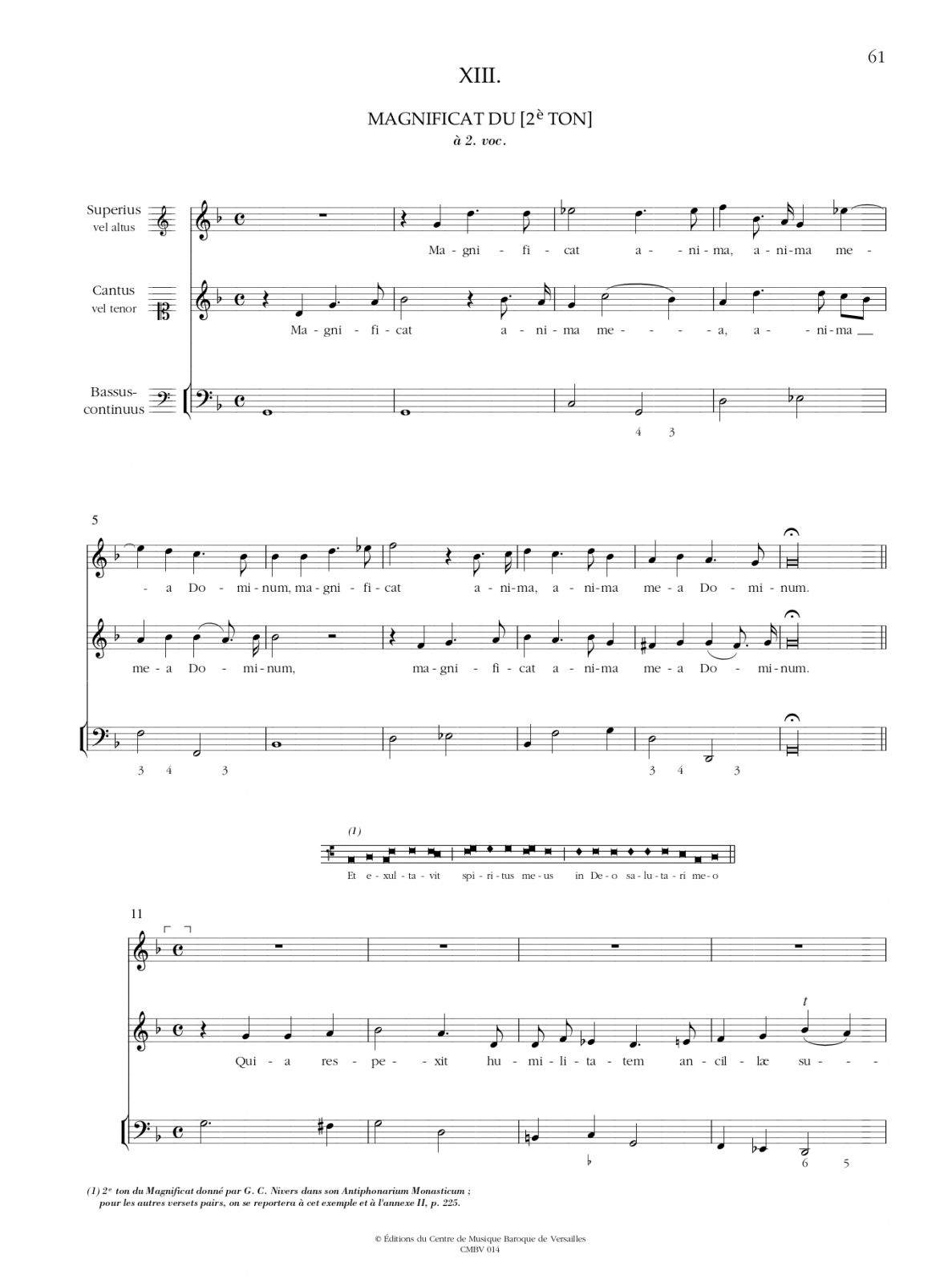
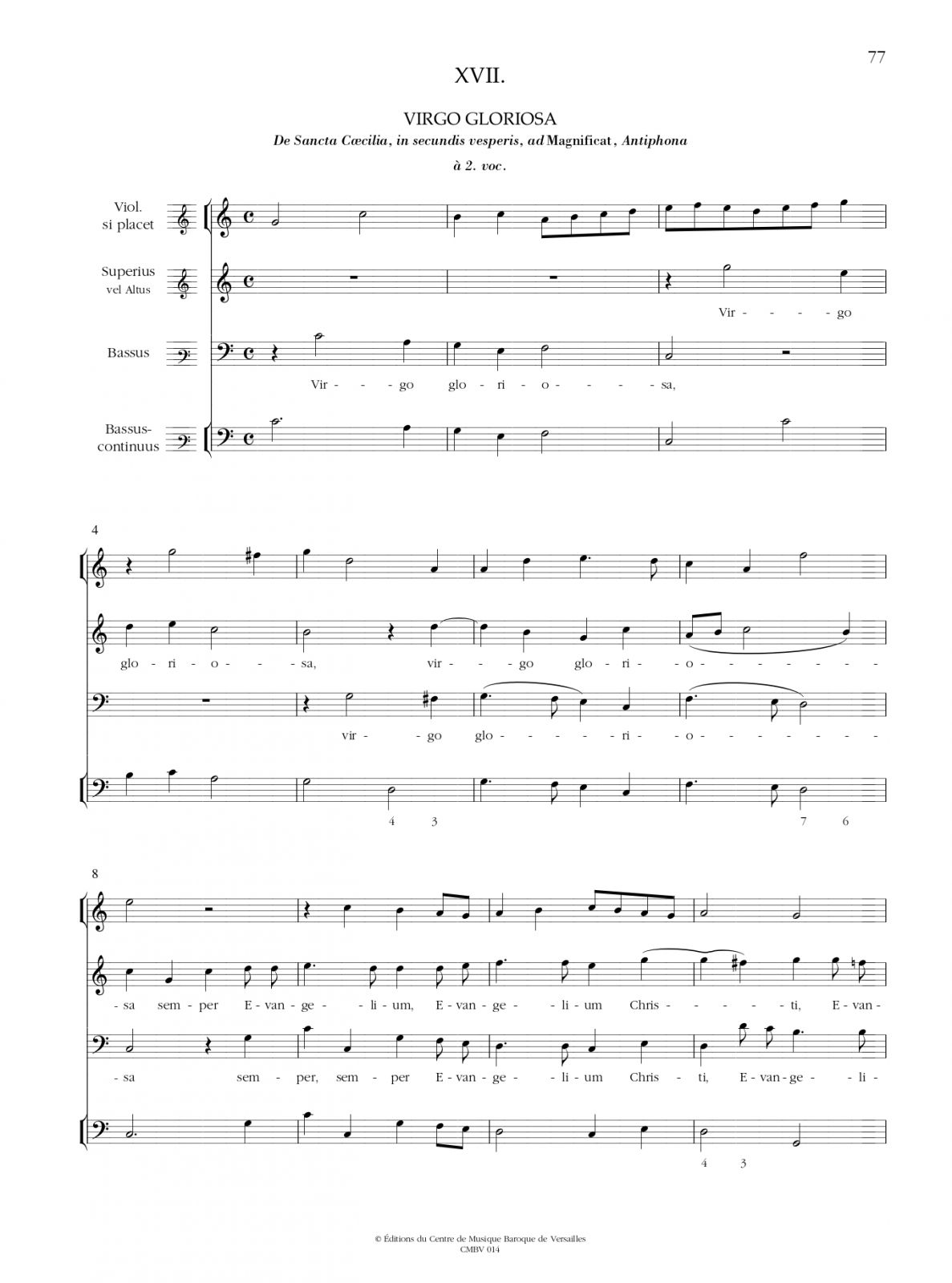
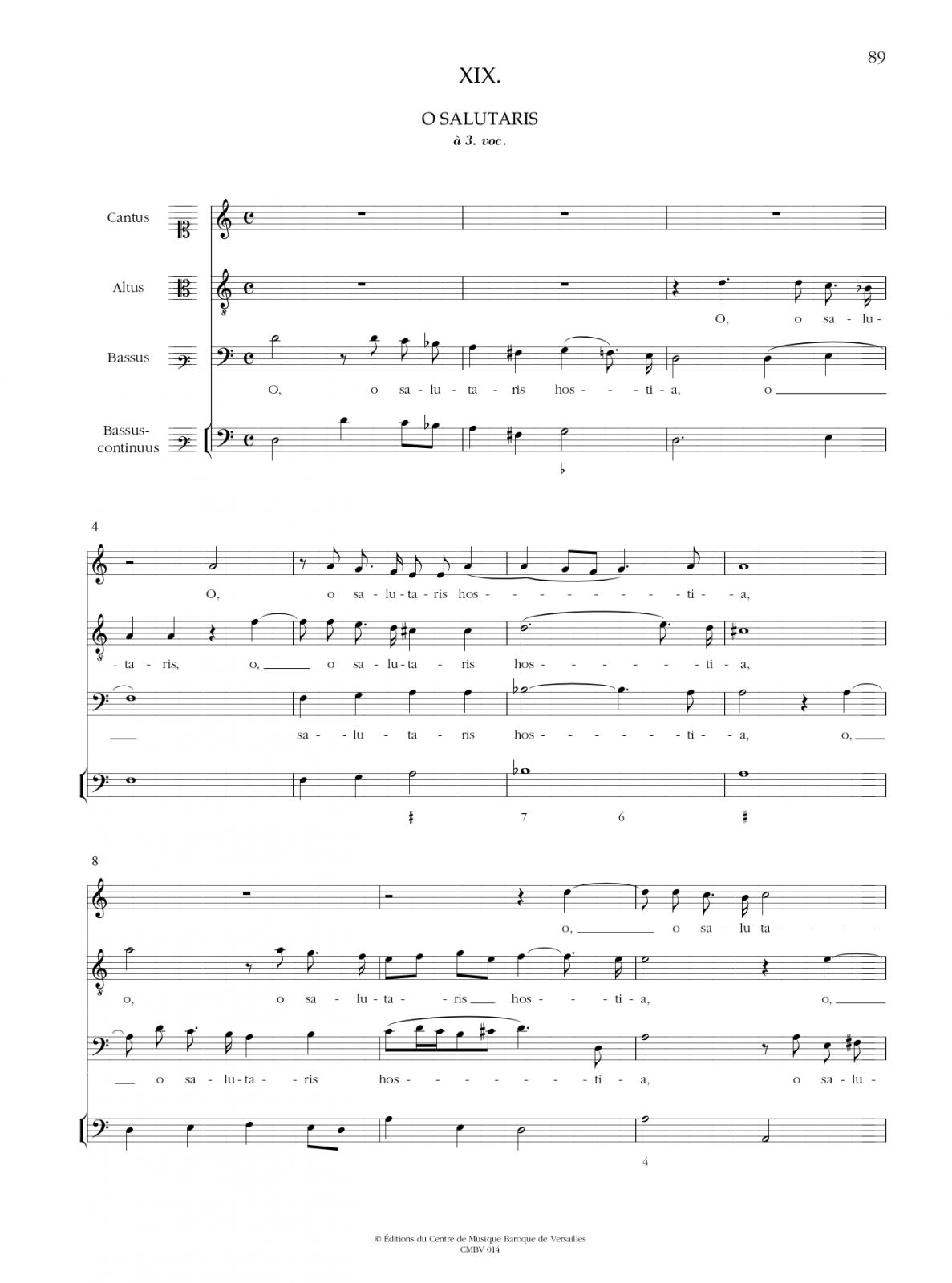
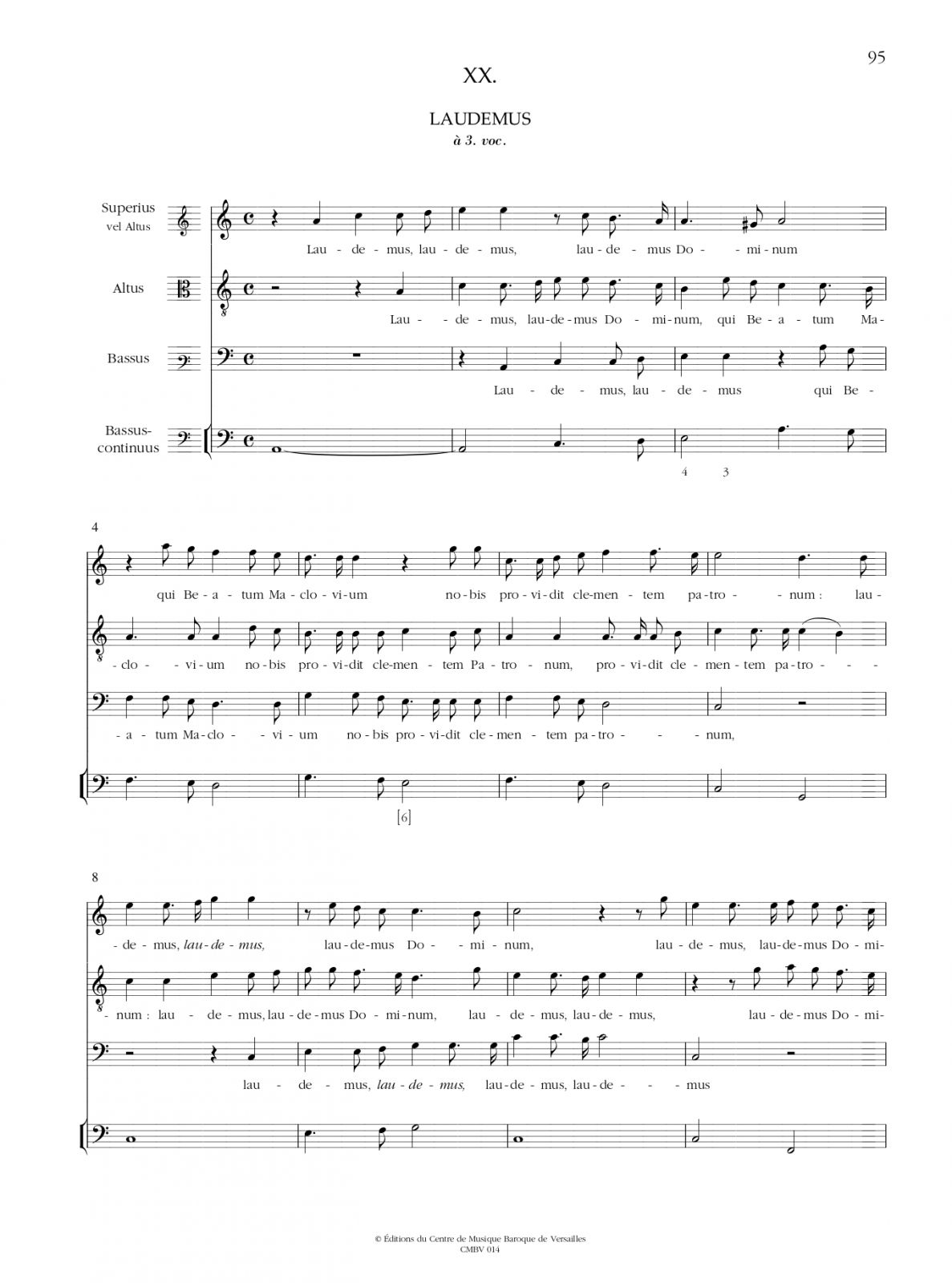
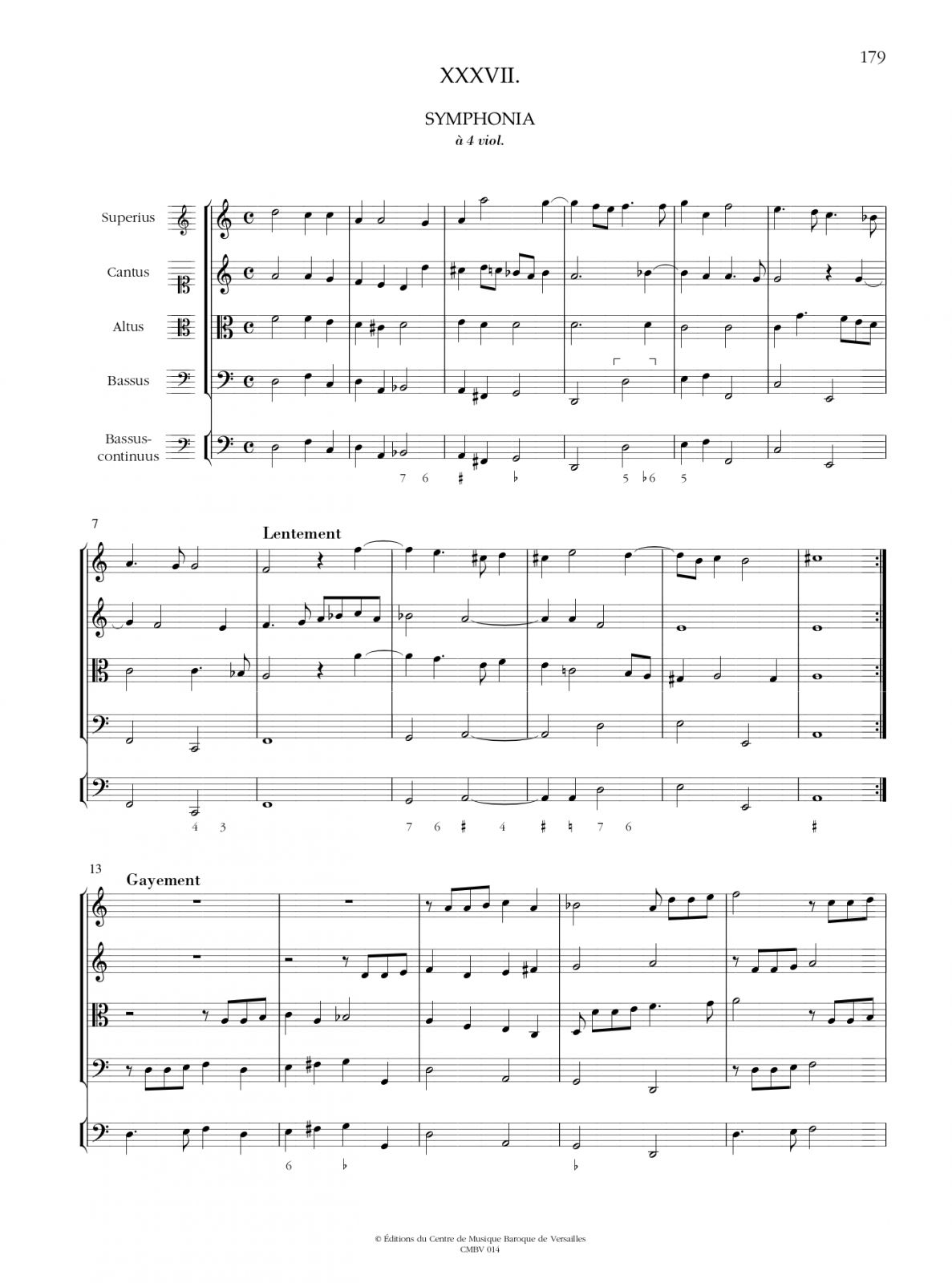


Born in 1610 near Liège (Belgium), Henry Du Mont was influenced by his training in Maastricht, where strict Flemish counterpoint was tinged with Italian influence. He arrived in Paris in the 1640s, where he was organist at the church of Saint Paul in the Marais district, before joining the court in 1652 as harpsichordist to the Duc d’Anjou, brother of Louis XIV. In 1660, he became Master of Music to the young Queen Marie-Thérèse, and in 1663 was appointed sous-maître of the Chapelle Royale. He retired in 1683, when the King and Court moved permanently to Versailles. He died the following year at the age of 73.
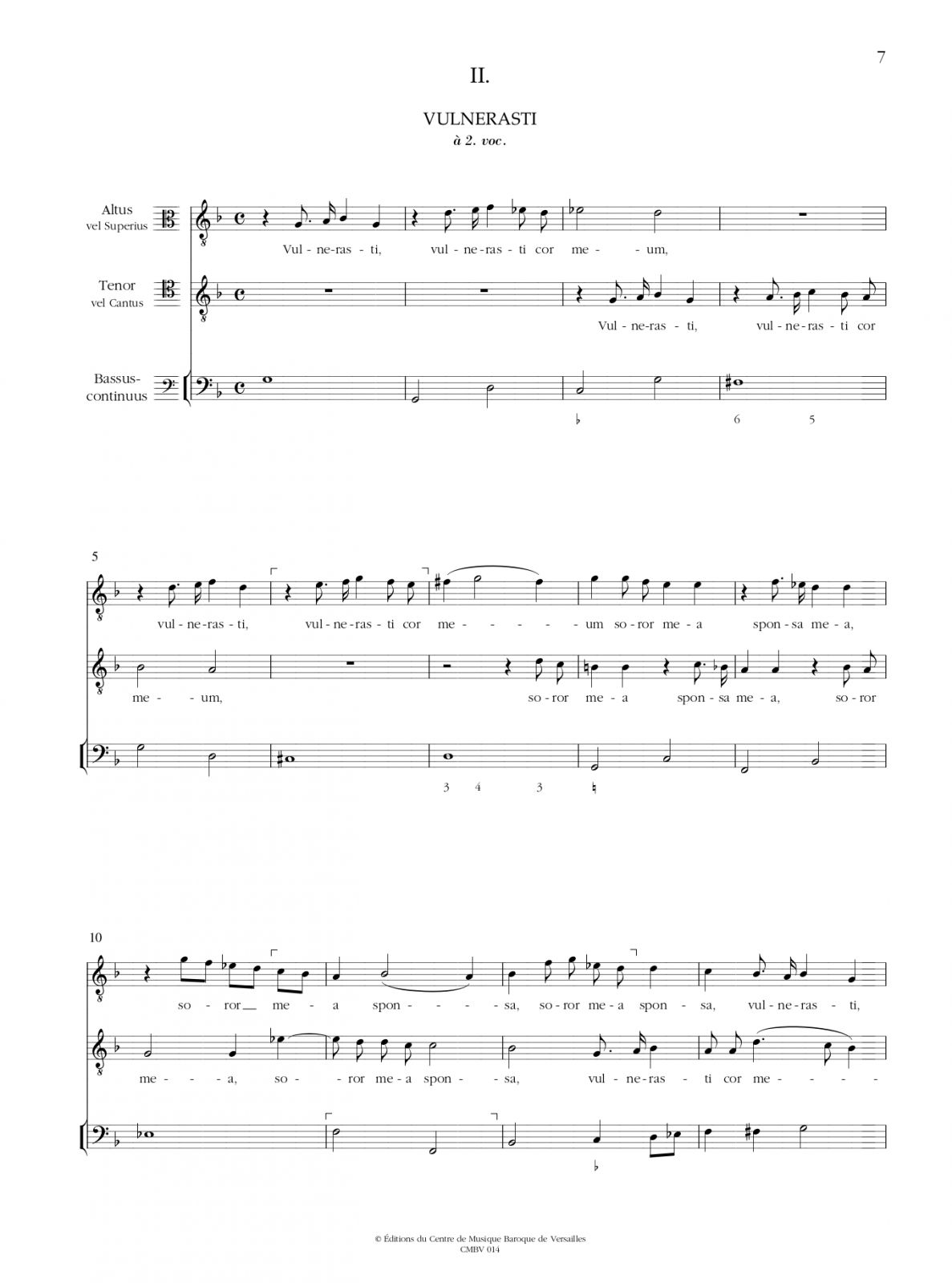
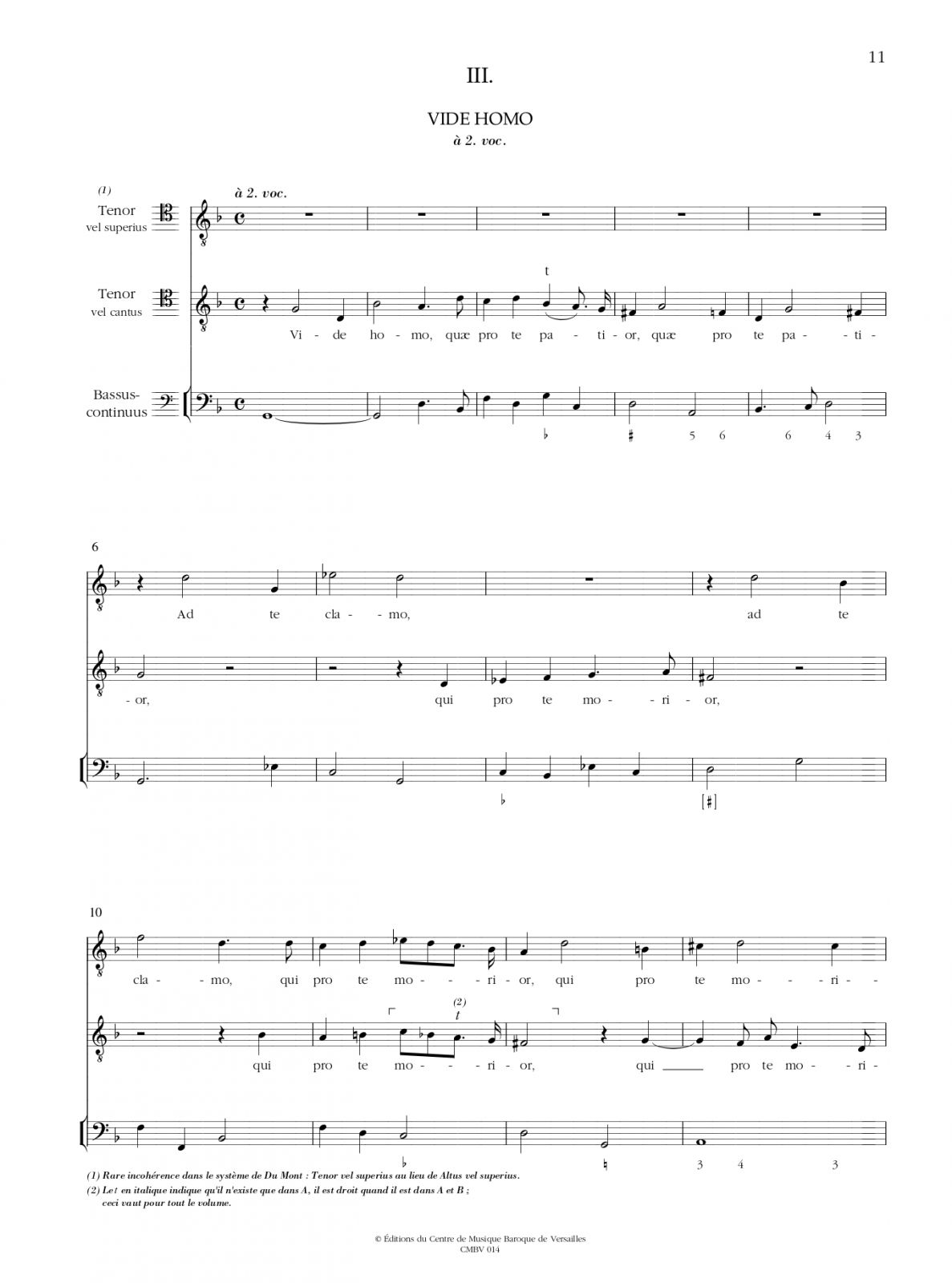
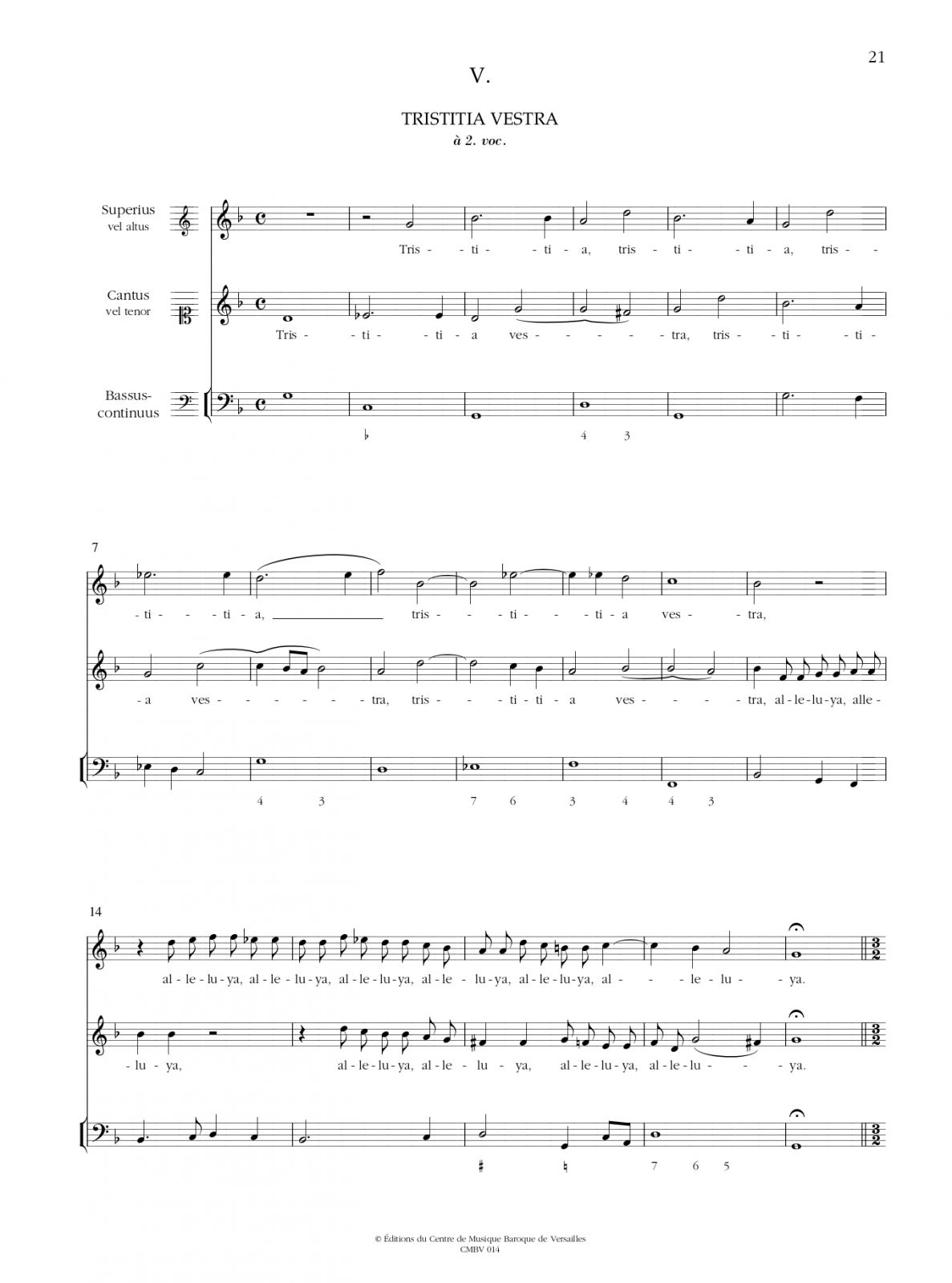
The Cantica sacra collection, published in the mid-seventeenth century, held a special place in France for its innovations: on the one hand, it featured the first separate figured basso continuo part, and, on the other, motets with concertante instruments, paving the way for a flourishing genre known as petits motets. The Italian influence is also felt in his word-painting, with chromatic intervals and rhythmic interplay. The composer also drew inspiration from popular French themes with relatively simple rhythmic and harmonic sequences. Du Mont wrote many of his pieces specifically for nuns, or adapted them simply and effectively using a clever system of transposition. But the collection also offers a wide range of vocal configurations to satisfy a broad audience.
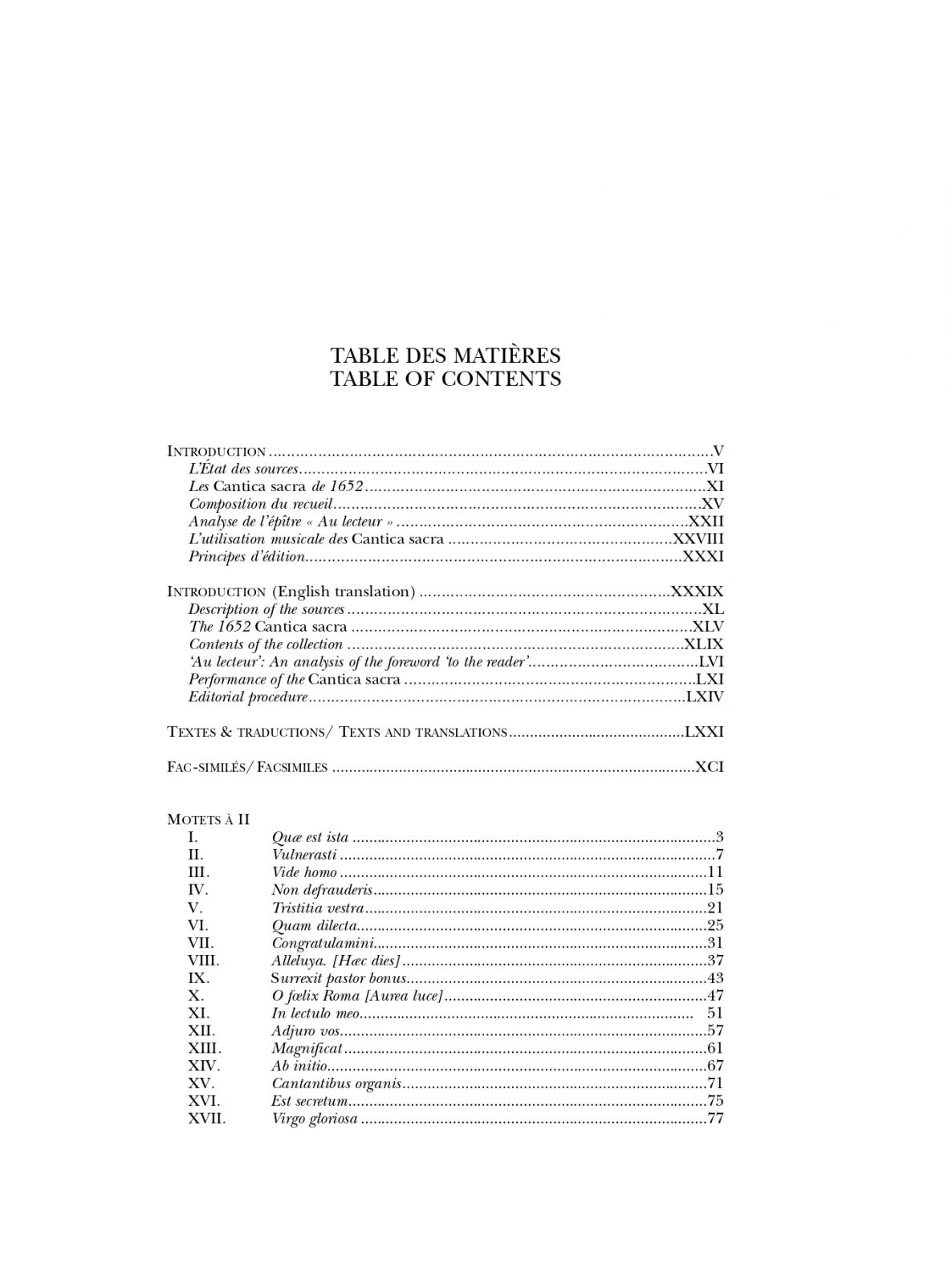
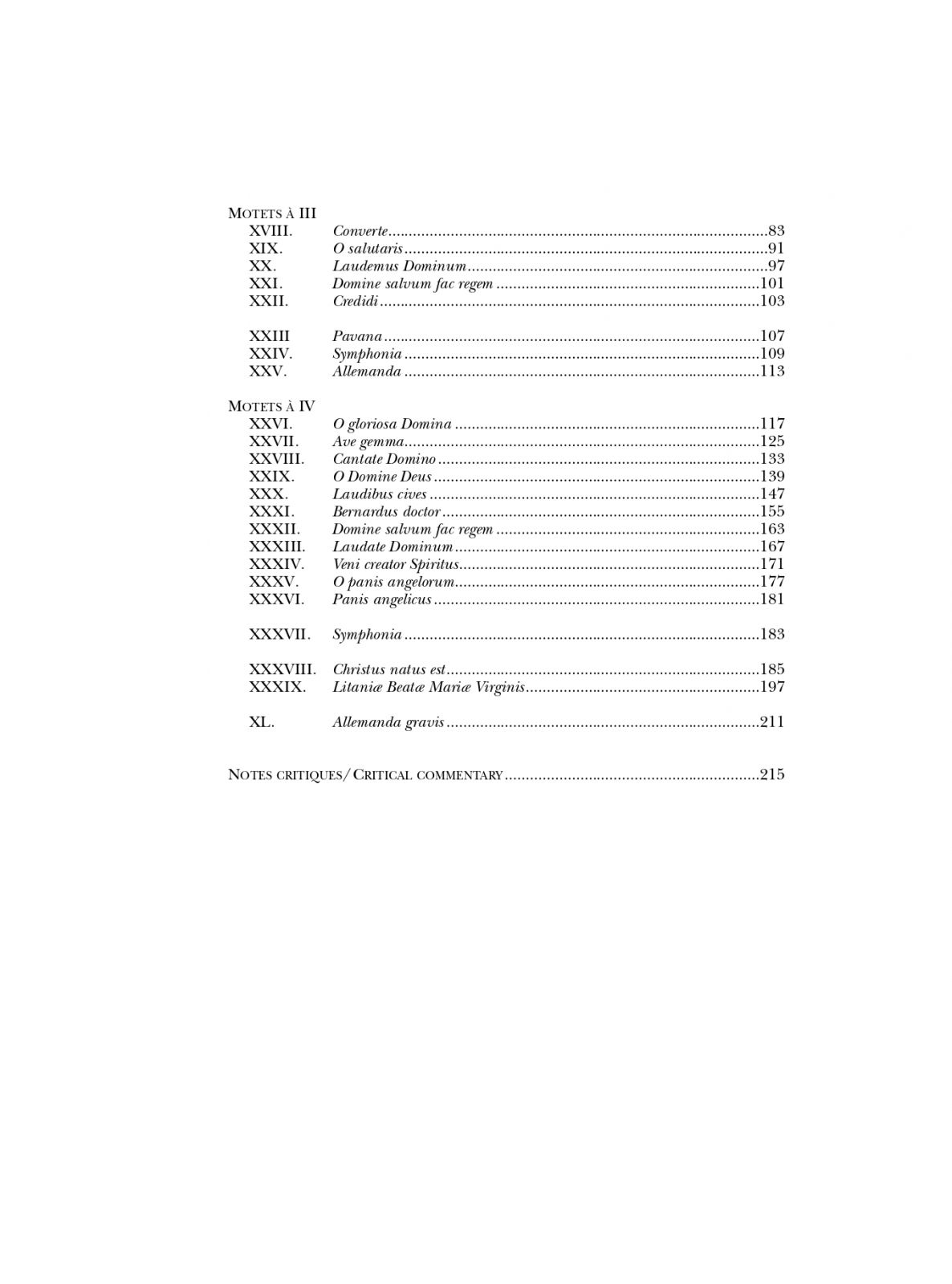
This is what makes it so rich today: 35 vocal works for 2, 3 or 4 male or female voices, or for mixed voices, with or without instruments – plus 5 instrumental pieces for 3 or 4 viols or solo organ – very varied, contrasting and highly expressive. Vocal ensembles will easily find a work to suit their needs. Among the most popular are Ave gemma virginum, Cantate Domino, Converte occulos tuos, O salutaris hostia and the famous motets for two female voices, Magnificat and Ab initio.
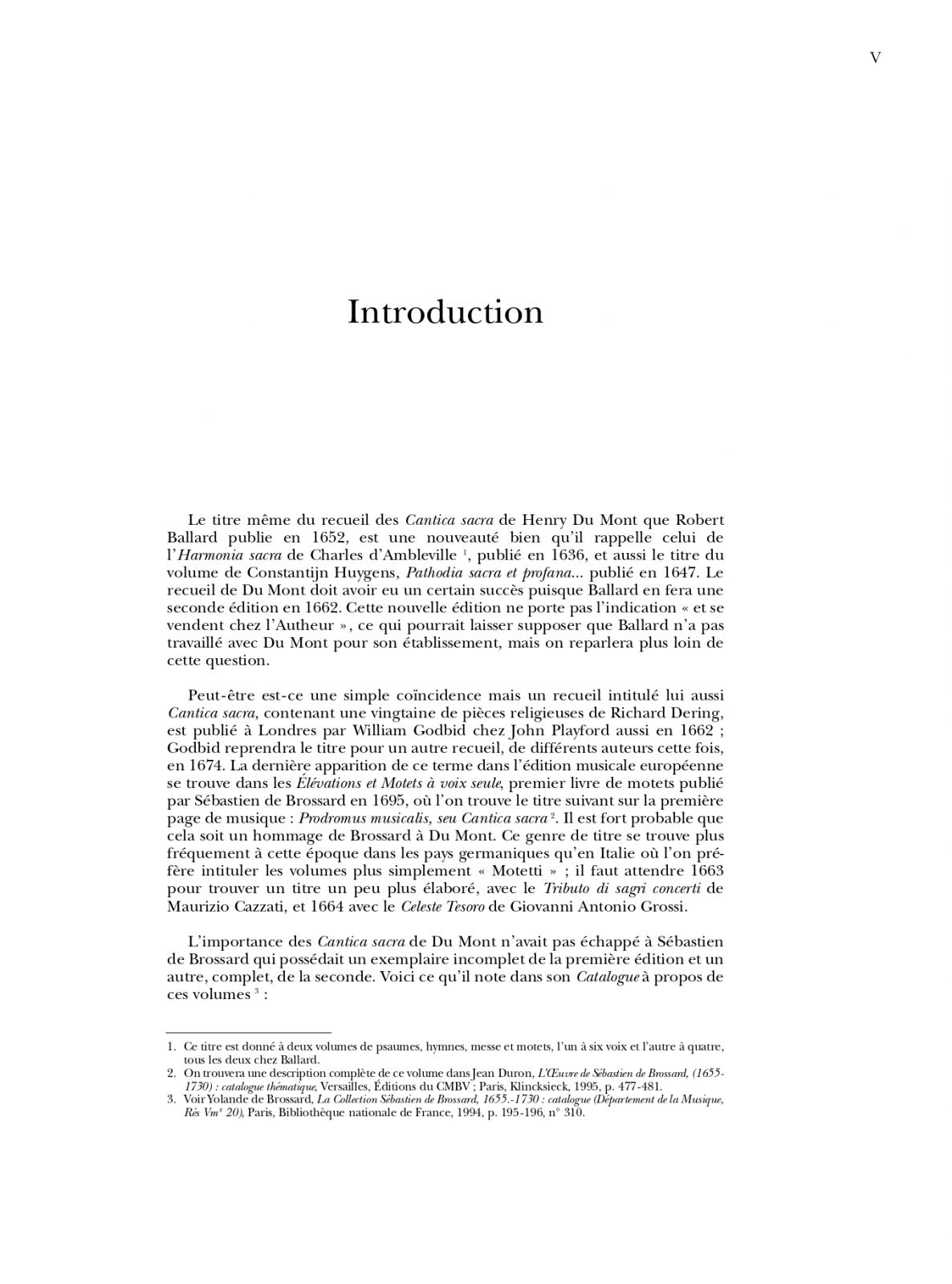
In the bilingual (French/English) introduction, Jean Lionnet (1935–1998) presents the musical sources and discusses the main interpretive issues arising from them: scoring, prosody, instrumentation, metre, beaming, influences, and more. All the Latin texts are translated into French and English; 17 facsimiles illustrate the subject before giving way to the 40 works in this volume (35 motets, 5 instrumental pieces), all accompanied by a critical apparatus.
Prepared by Jean-Yves Hameline and Thomas Leconte, this new edition develops important points: new proposals for alternations in plainsong (transcribed for interpretation), re-orientation of Latin text references with discussion of possible liturgical context etc.
Jean Lionnet (1935–1998) was a specialist in music in Rome and the circulation of music in France in the 17th and 18th centuries. Together with Jean Duron, he founded the Atelier d'étude sur la musique française at the Centre de Musique Baroque de Versailles, which published the online database "Musiciens à Rome" derived from its archives.
Plain-chant pour l'hymne de saints Pierre et Paul par Guillaume Gabriel NIVERS extrait de son Antiphonarium Monasticum
Plain-chant du Magnificat du 2e ton de Guillaume Gabriel Nivers
Plain-chant pour l'hymne de Saint Benoit par Guillaume Gabriel Nivers extrait de son Antiphonarium Monasticum
The works
Recommendations


