

Vêpres à deux choeurs
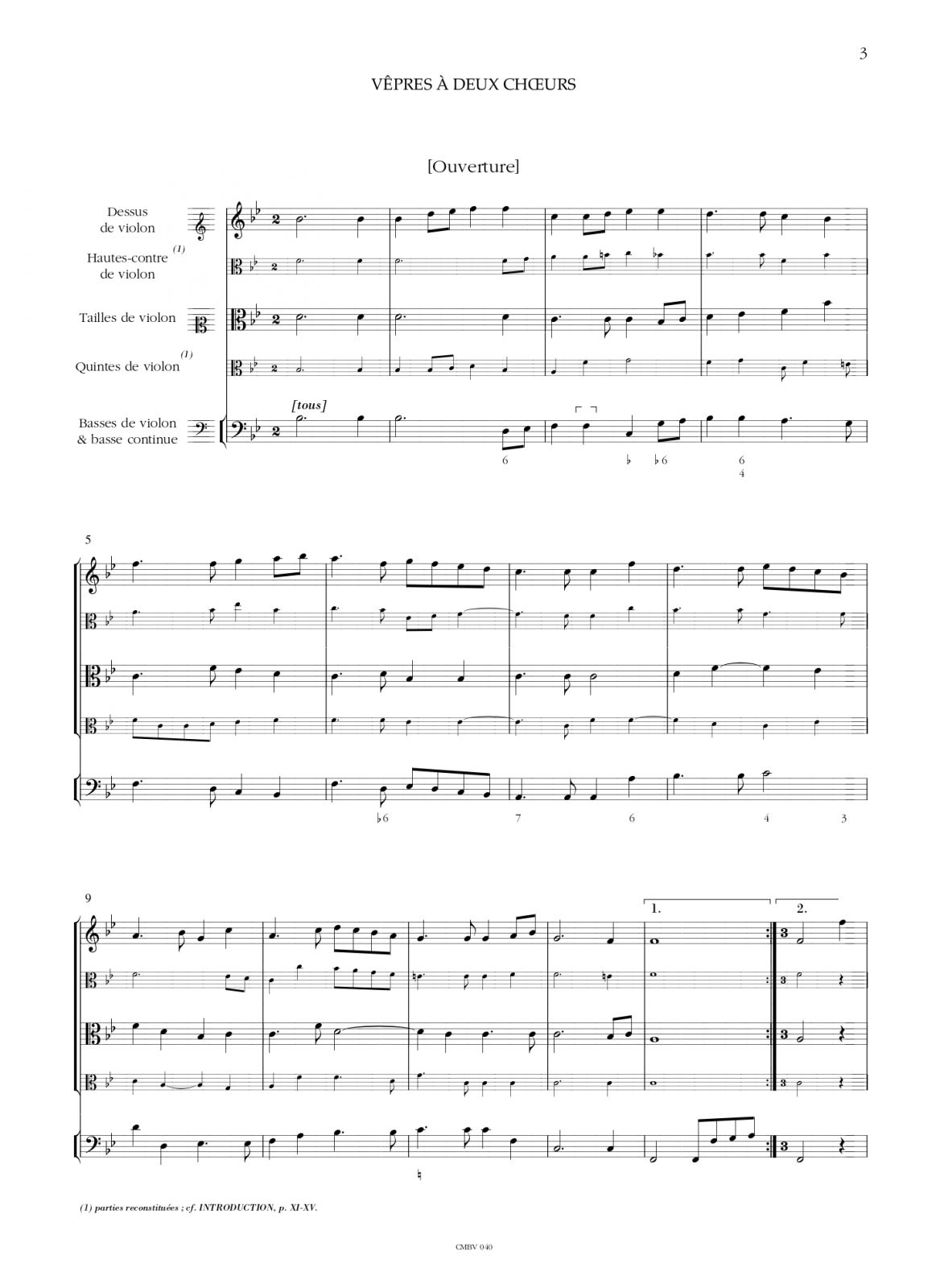
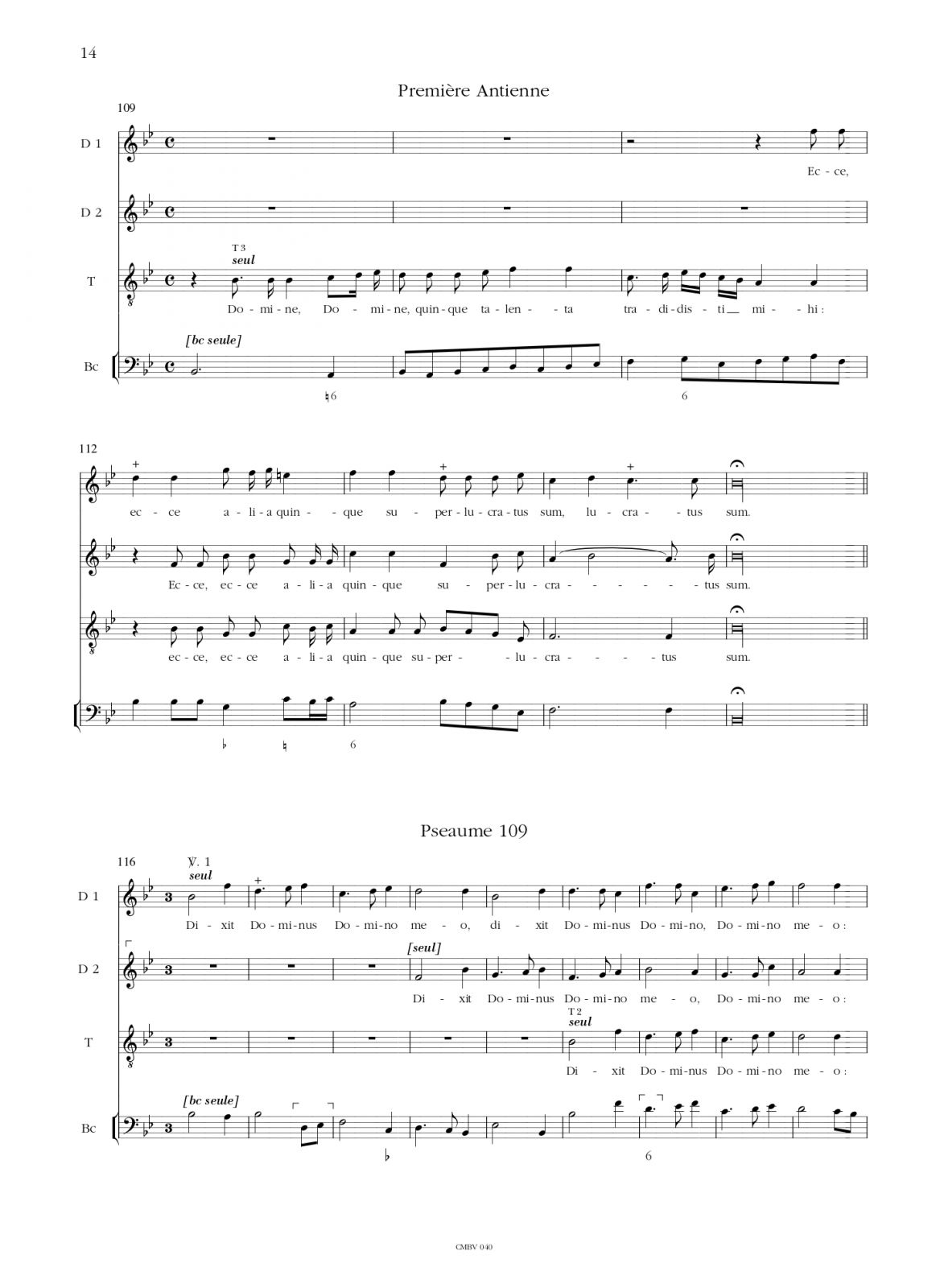
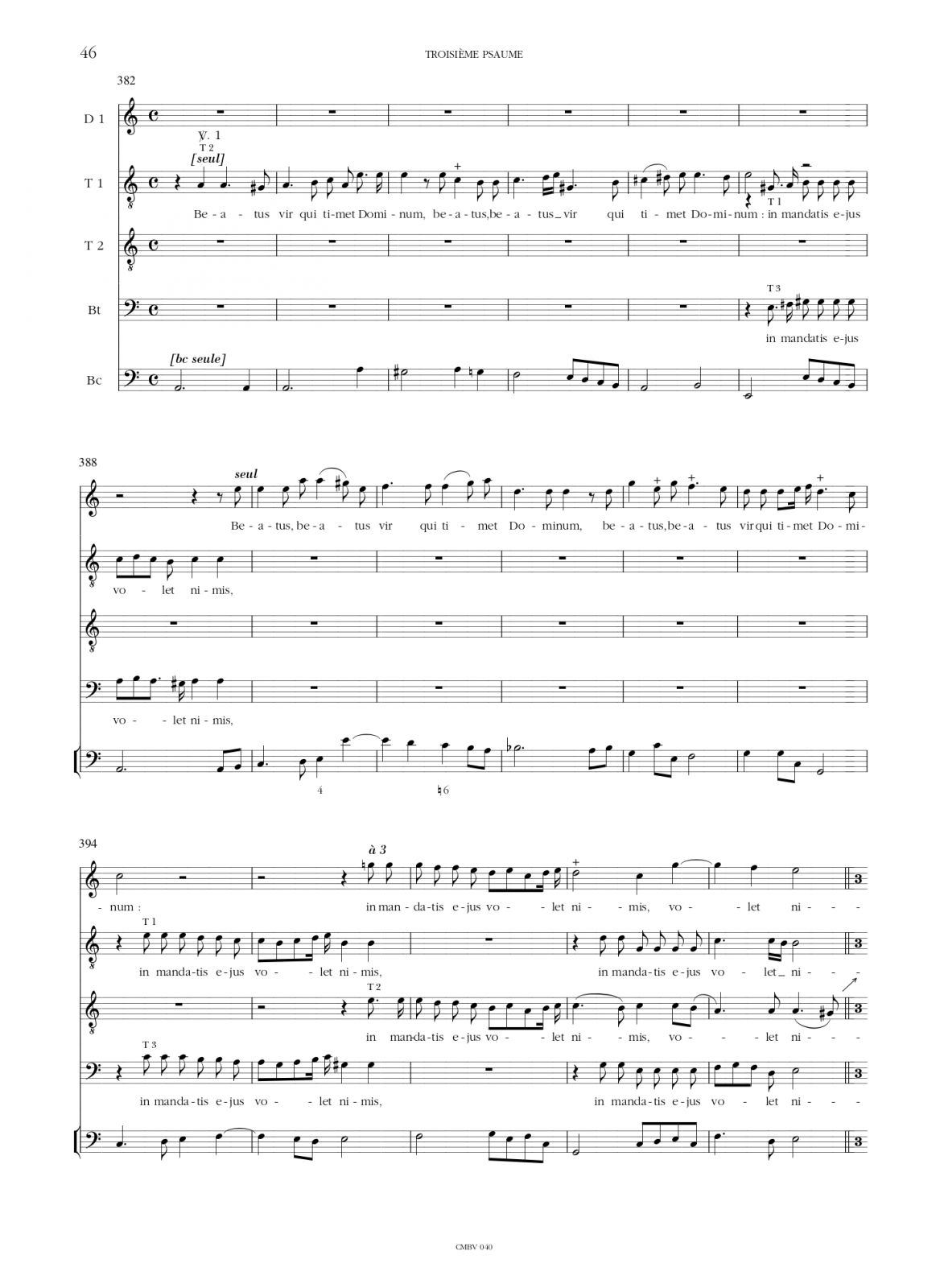
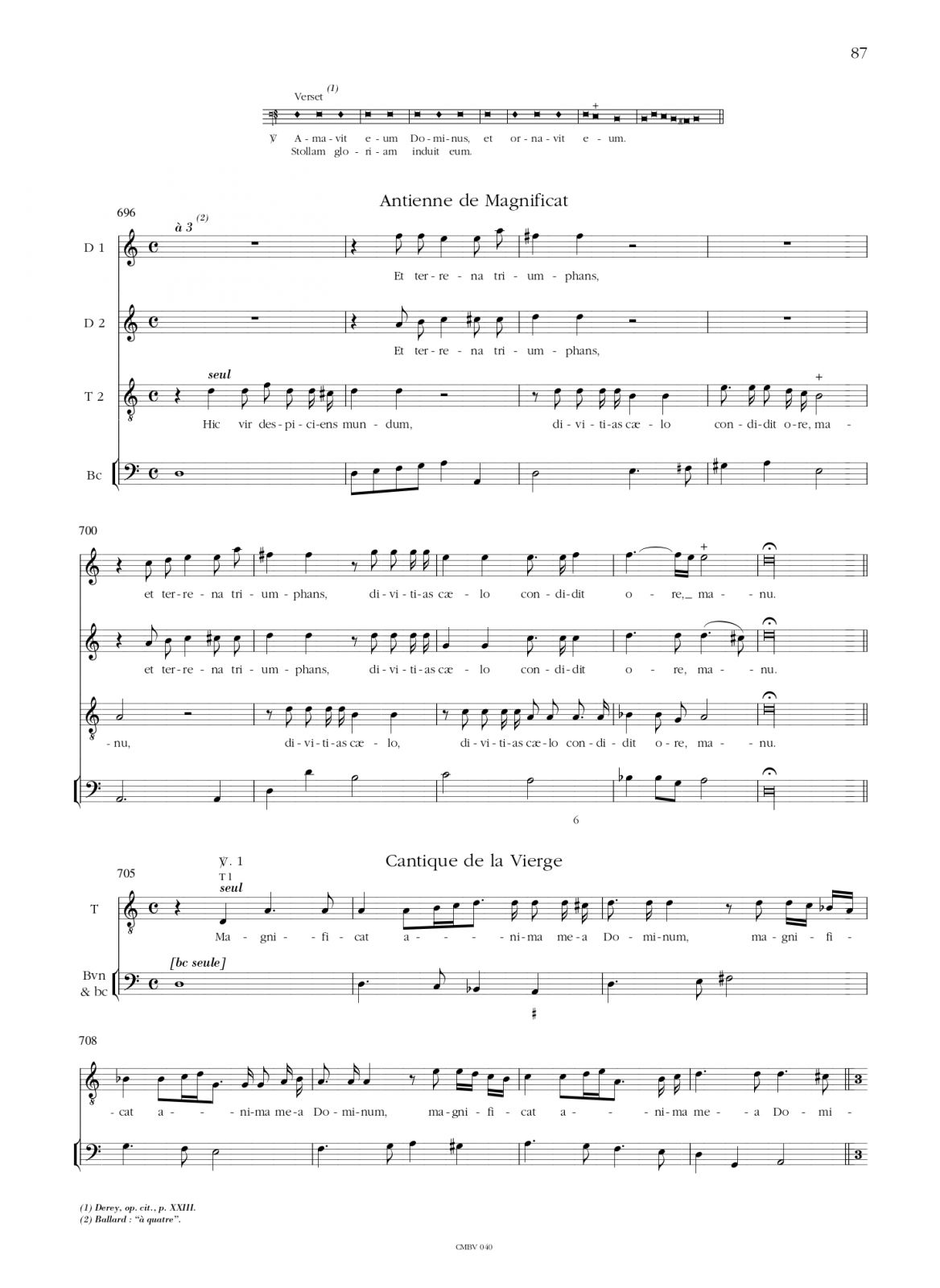
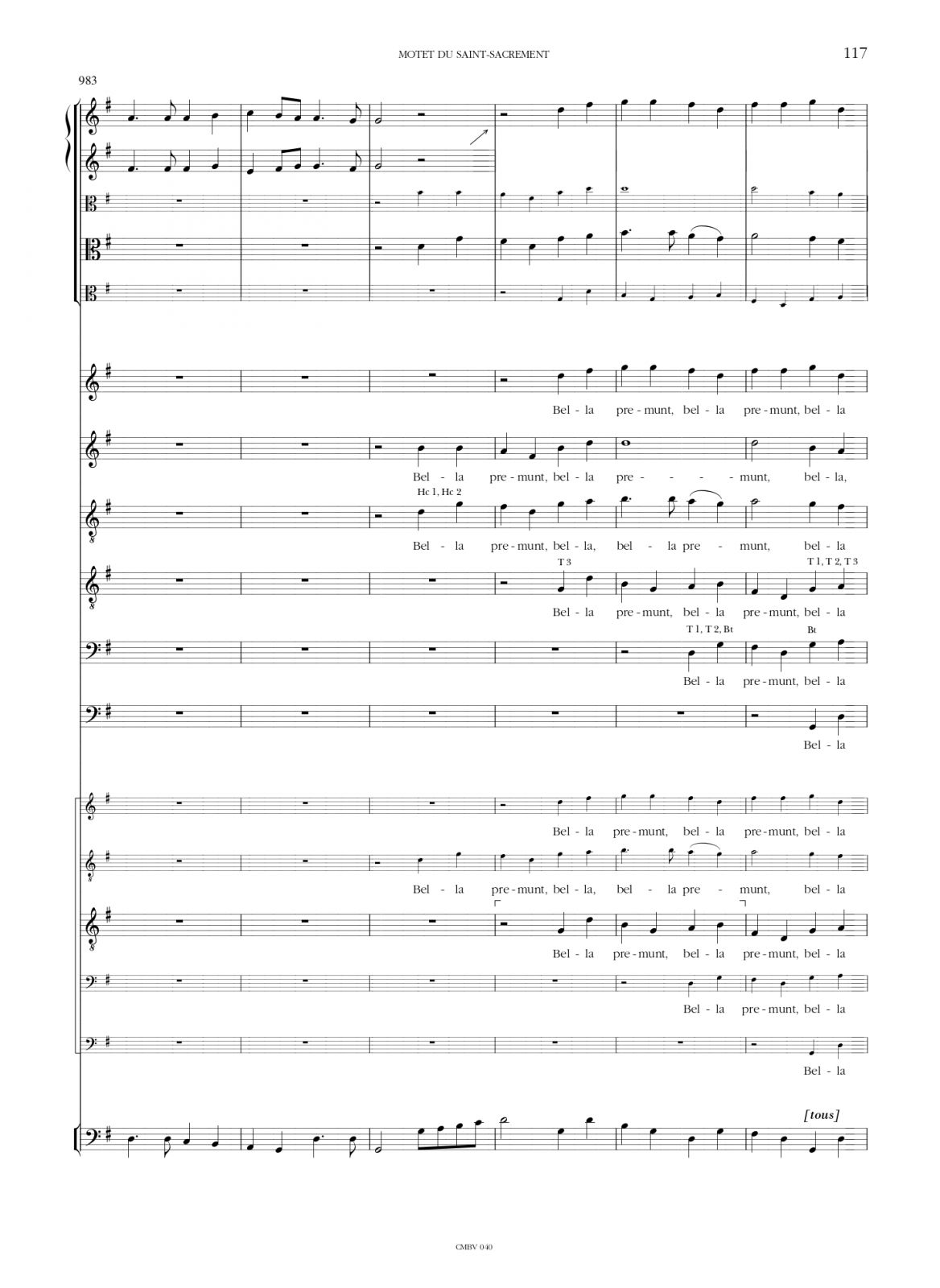
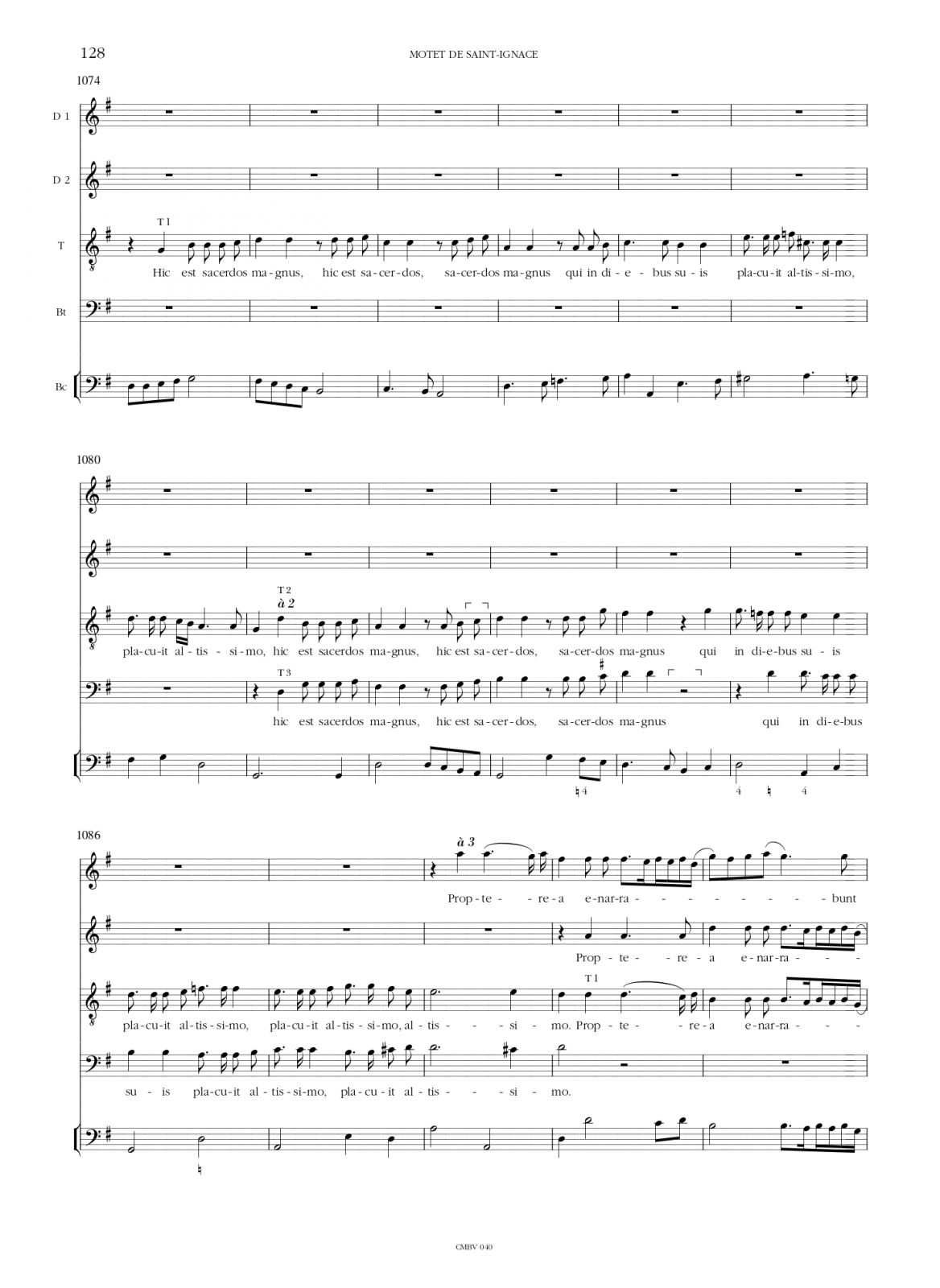


The origin of Pierre Menault’s Vêpres à deux chœurs remains obscure. It is a rare case in France, outside the court of Louis XIV, of a piece for such a large ensemble. It is also the only surviving example of a complete vespers service with large choir and symphony. What prompted this composer from Dijon to publish a volume on a par with the musicians of Louis XIV: Henry Du Mont, Pierre Robert and Jean-Baptiste Lully? Was it a commission from the sovereign, the Jesuits, the king’s confessor, Father La Chaize, or a clever (though costly) way of applying for the vacant post of maître de chapelle at Versailles? This question remains unanswered, but these imposing Vêpres solennelles nonetheless offer a glimpse of a talented and ambitious choirmaster who was not content to simply meet the obligations of his position, but also sought recognition beyond the confines of his province. The musical quality of the work places him as a worthy successor to those he was setting himself up against in this publication: counterpoint that plays on the ambiguity between modal and tonal writing and uses modulation to create contrast, whilst retaining a singularity of its own, independent counterpoint, and a structure in keeping with his elders – though sometimes departing from them in a highly learned manner.
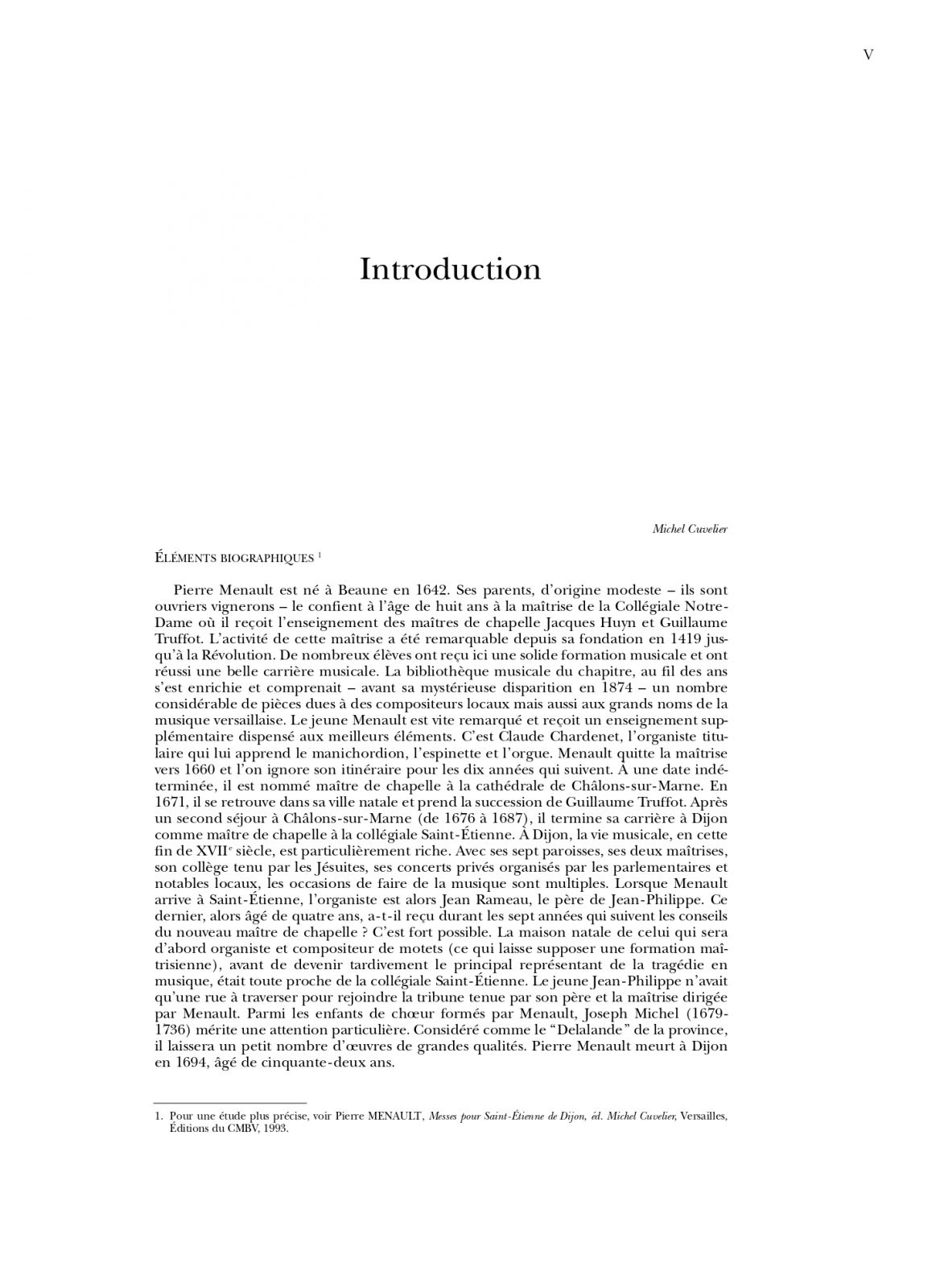
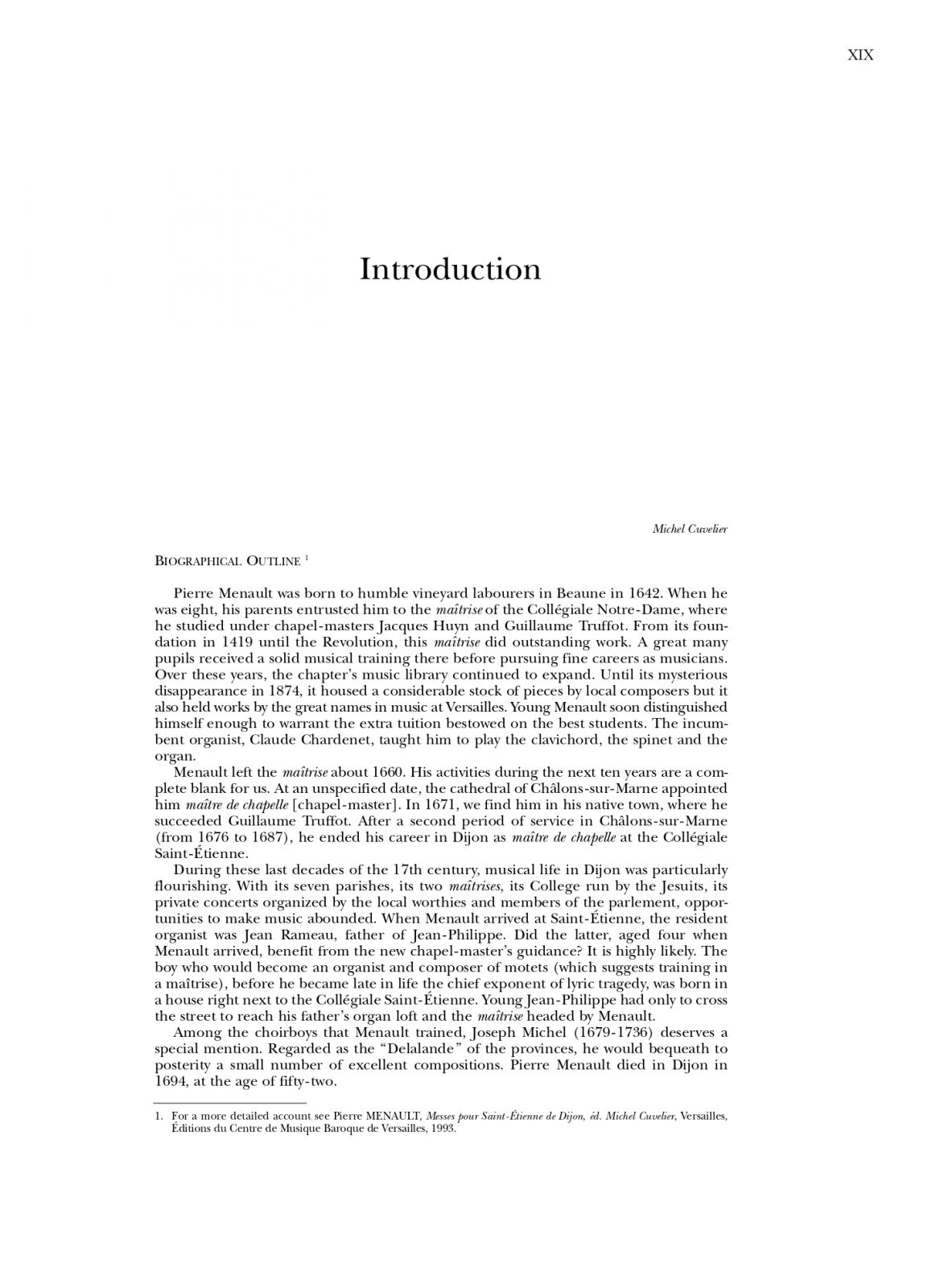
Michel Cuvelier provides much food for thought concerning this work, placing it in its colourful historical context and approaching it from a variety of angles. Jean Duron proposes the restoration of the middle parts of the orchestra, the hautes-contre and quintes de violon, basing his working hypothesis on the musical elements that remain. Finally, this publication is completed by an analysis of the liturgical texts and the plainsong by Jean-Yves Hameline, who restores the faux-bourdons and provides valuable insights into the work’s liturgical purpose.
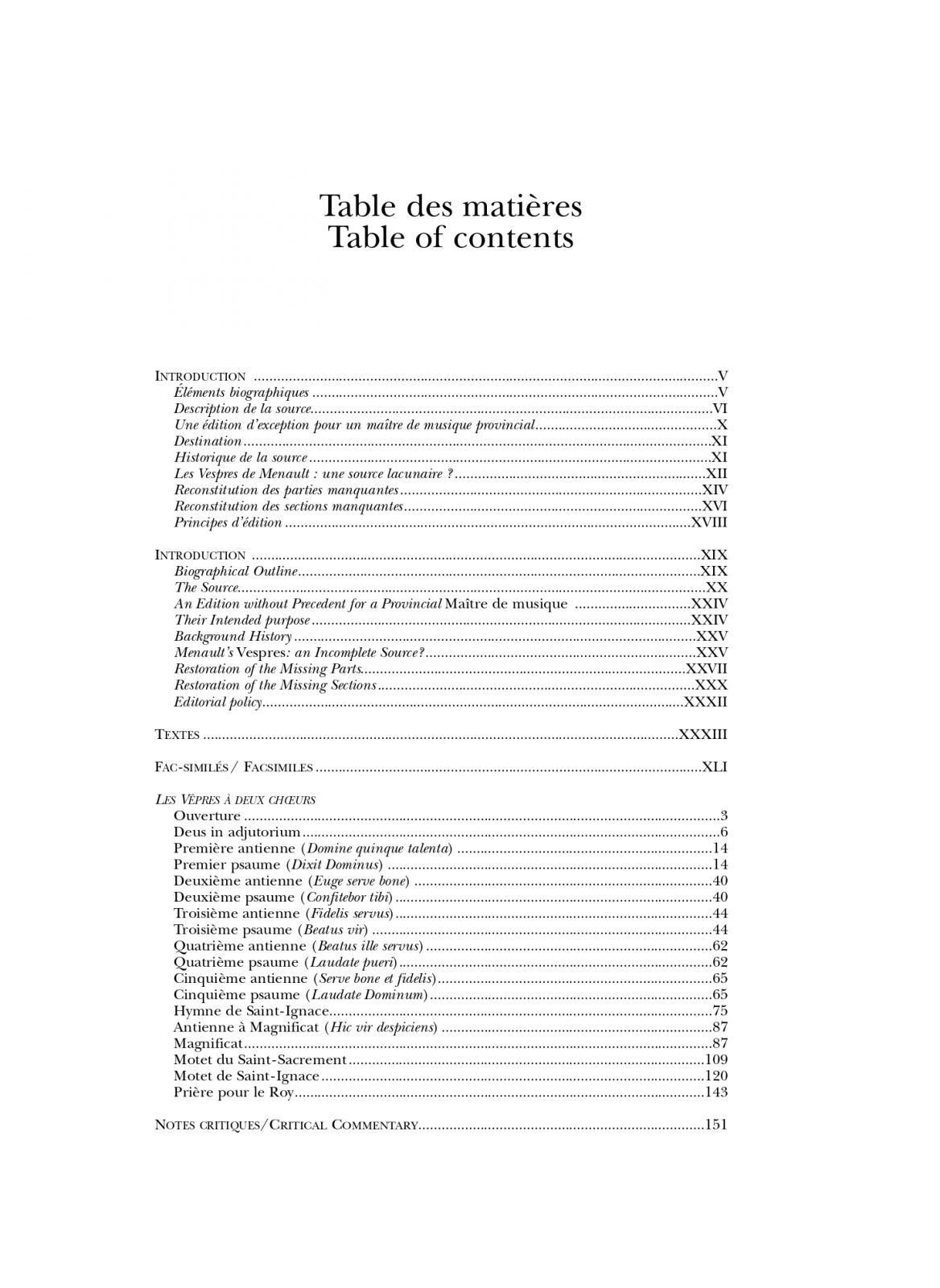
The psalms Dixit Dominus, Beatus vir and Laudate Dominum, as well as a Hymn and a Motet for Saint Ignatius, a Magnificat, a motet for the Blessed Sacrament and the Domine salvum can be extracted from these Vespers for two choirs with symphonies and performed separately.
The works
Recommendations


