

Grands motets lorrains pour Louis XIV
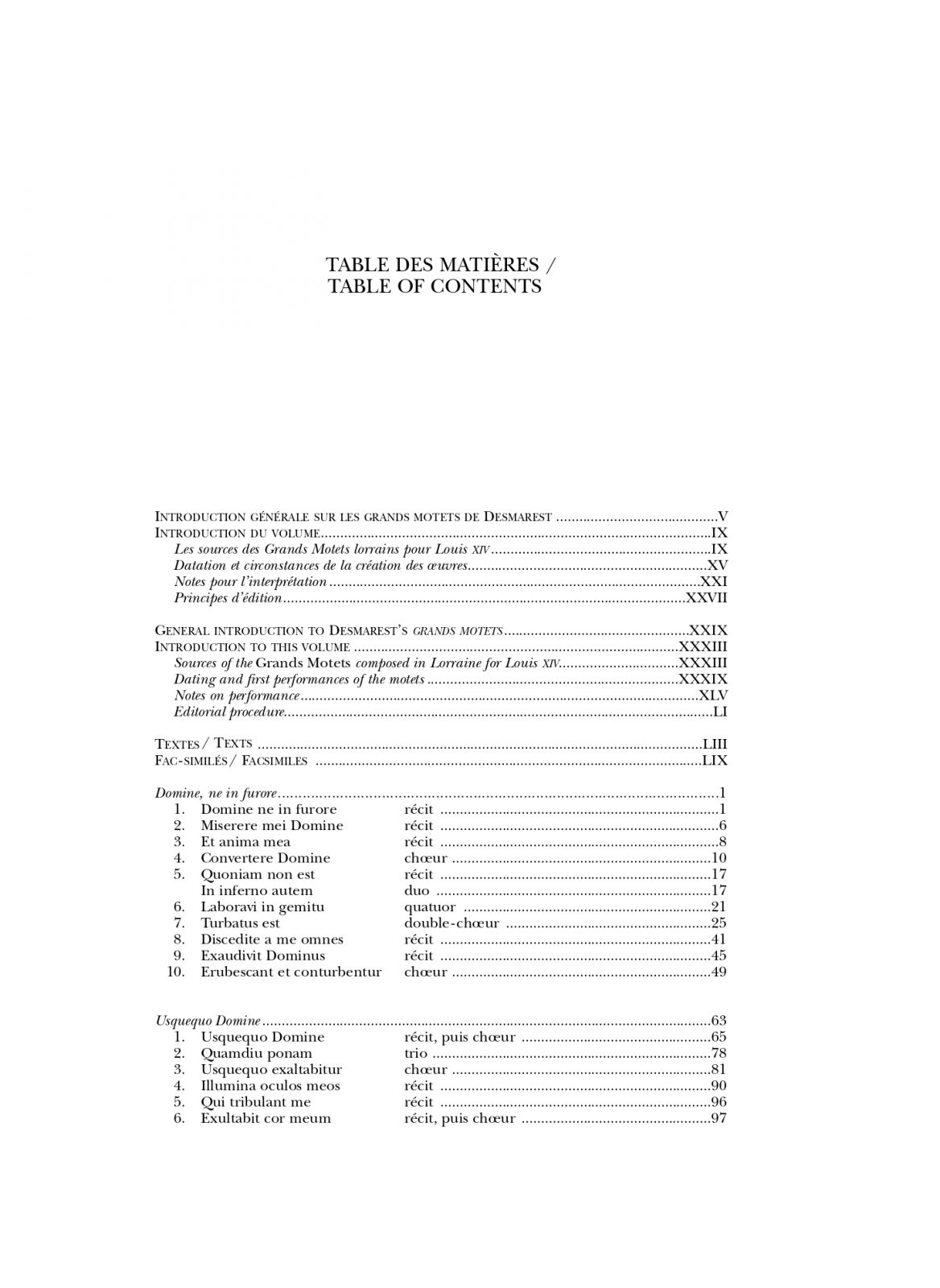
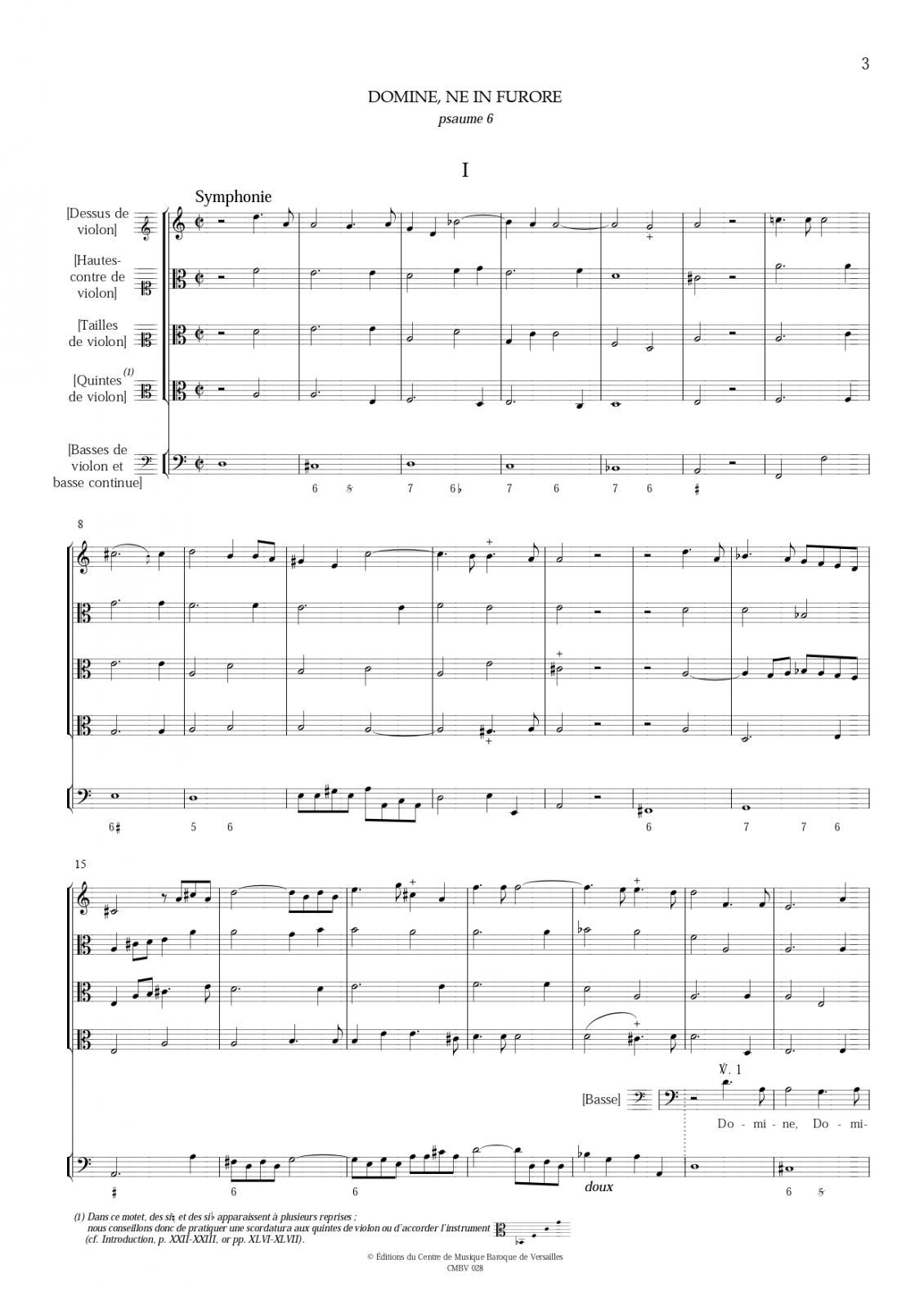
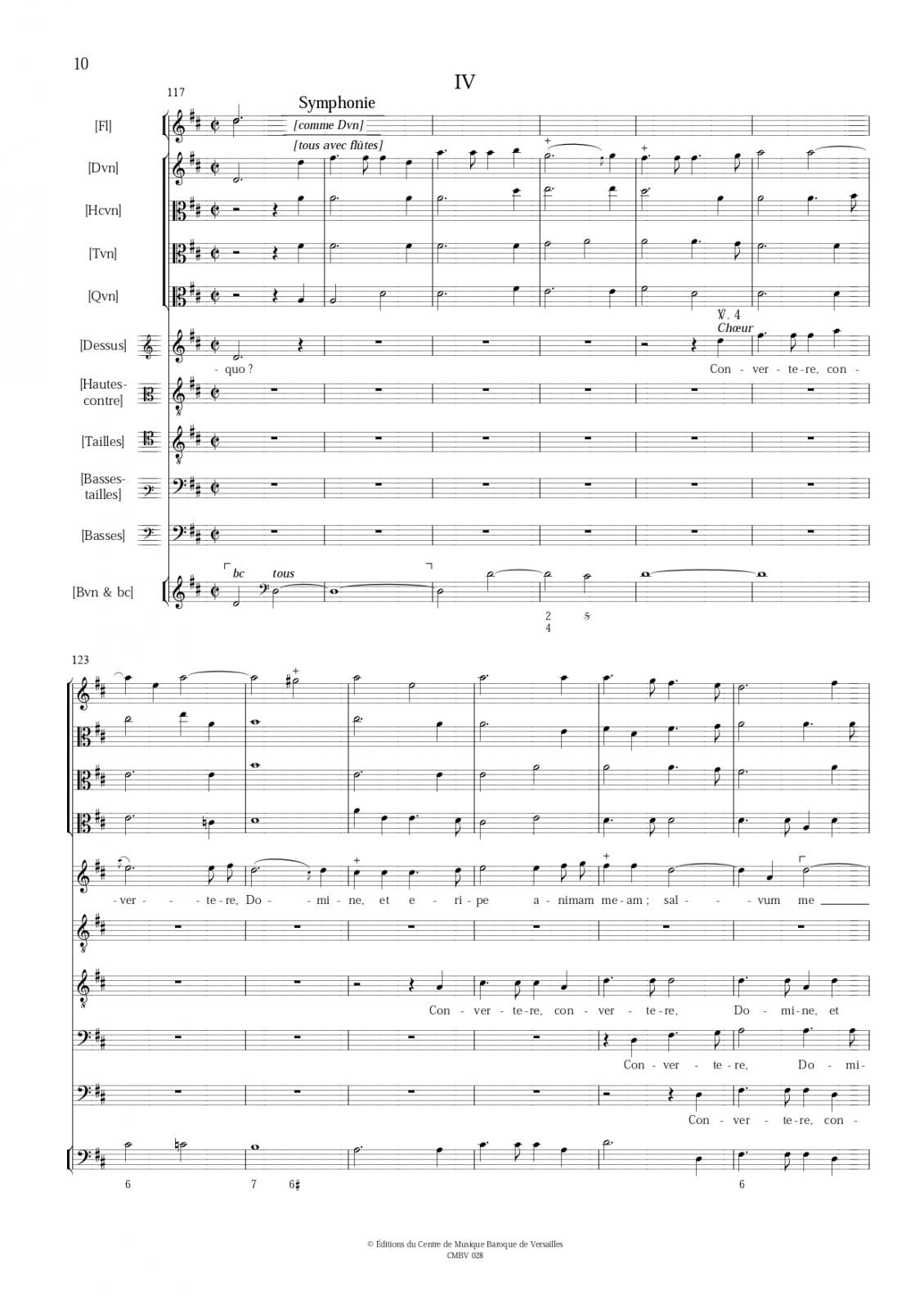
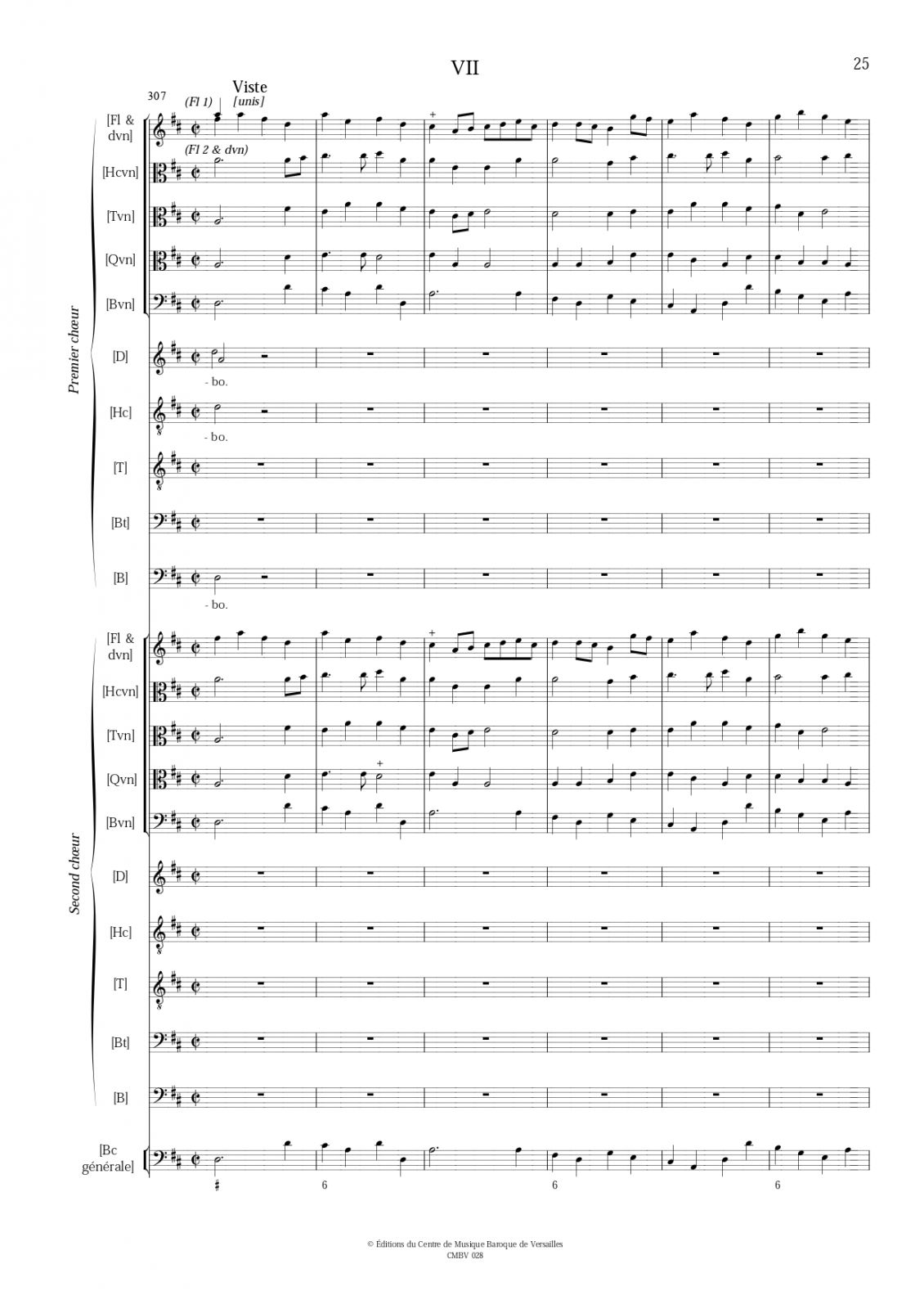
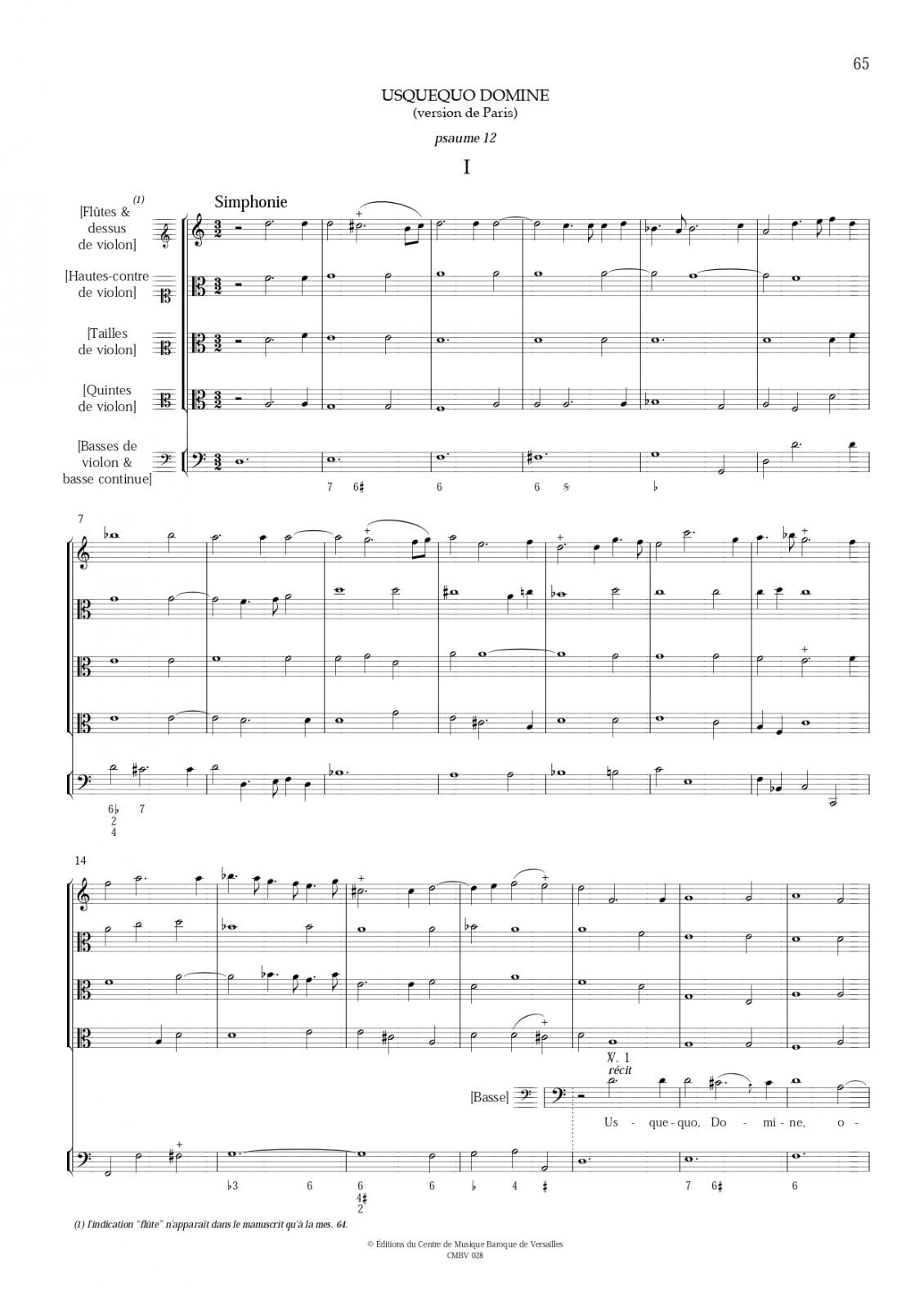
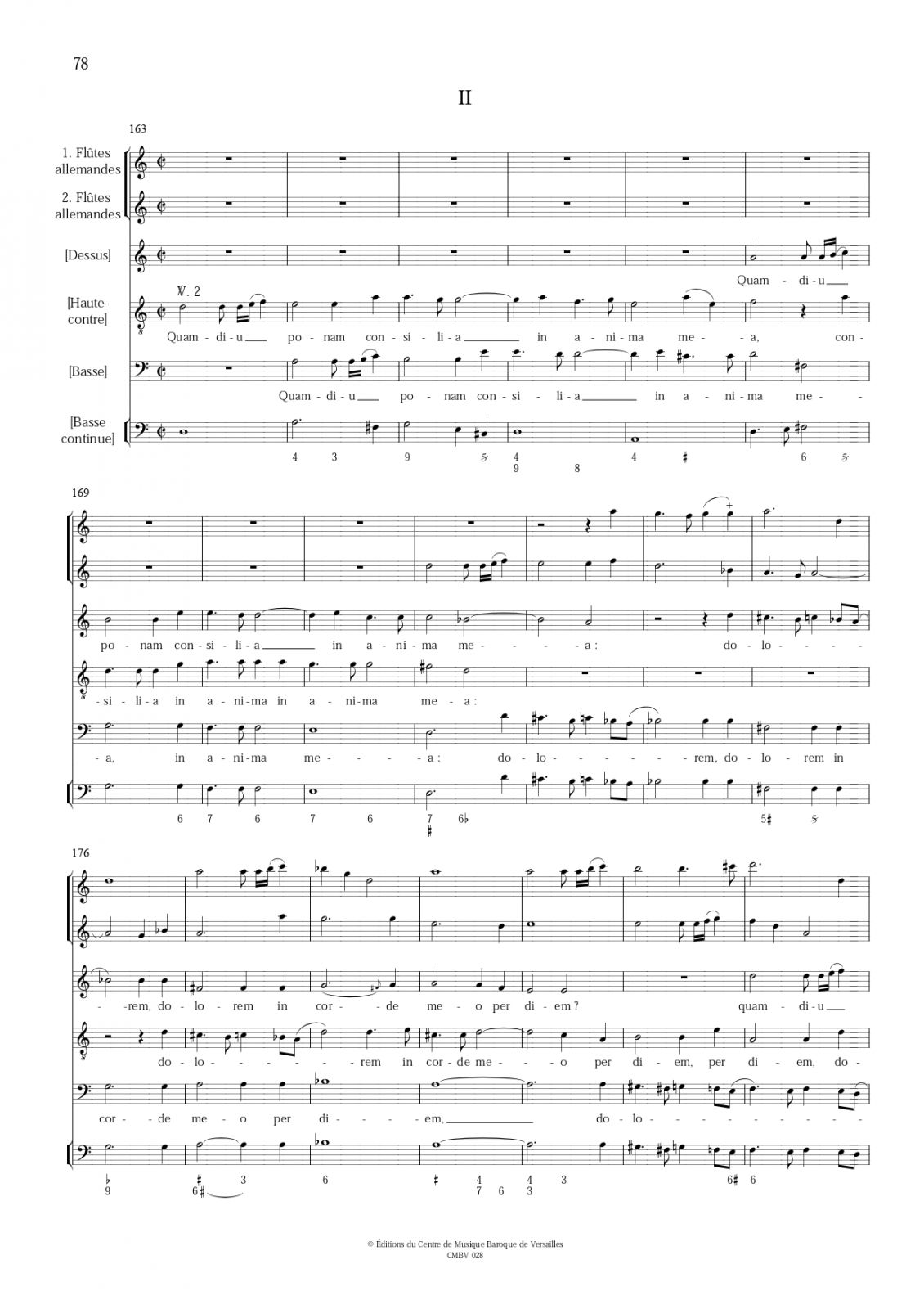
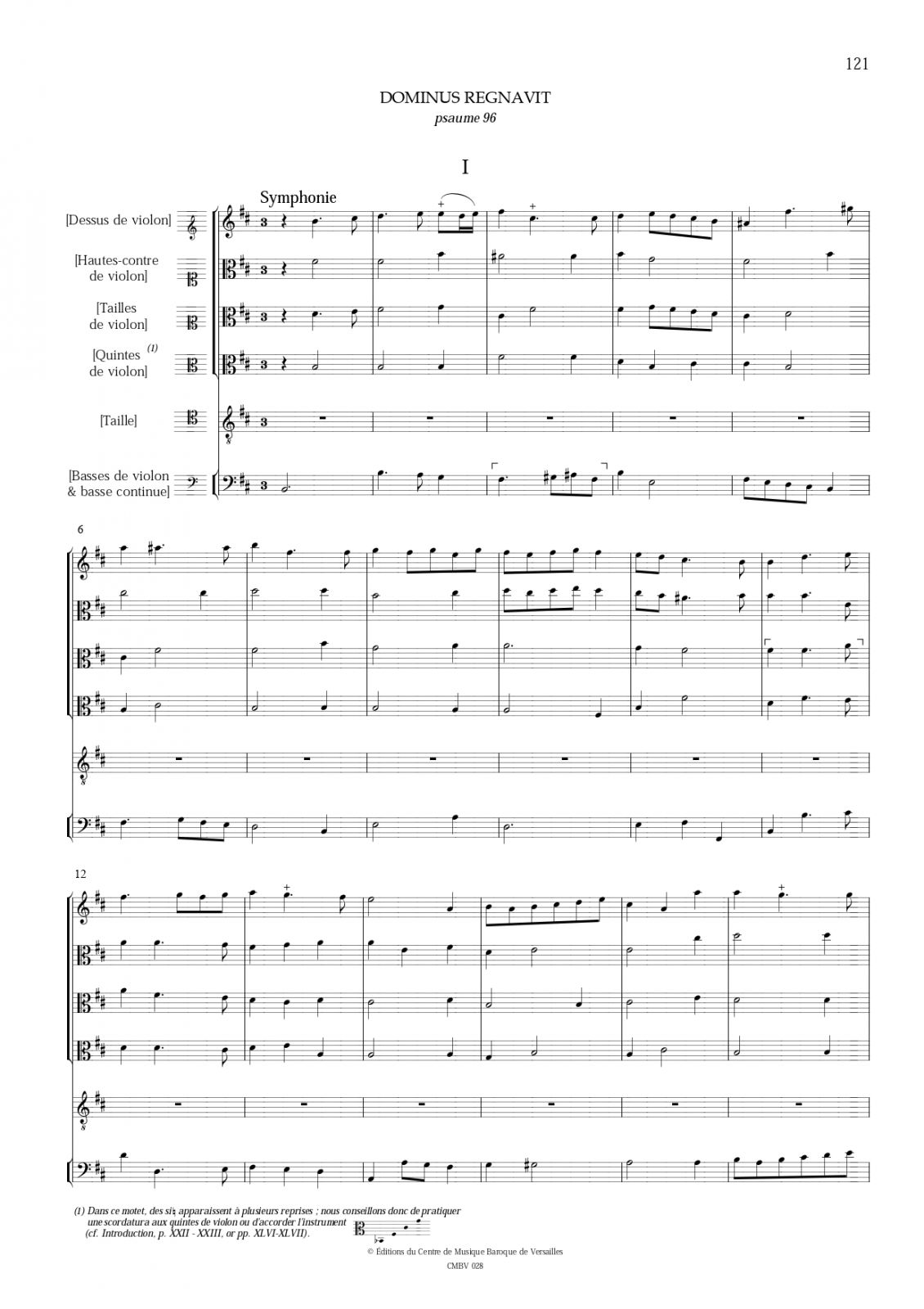
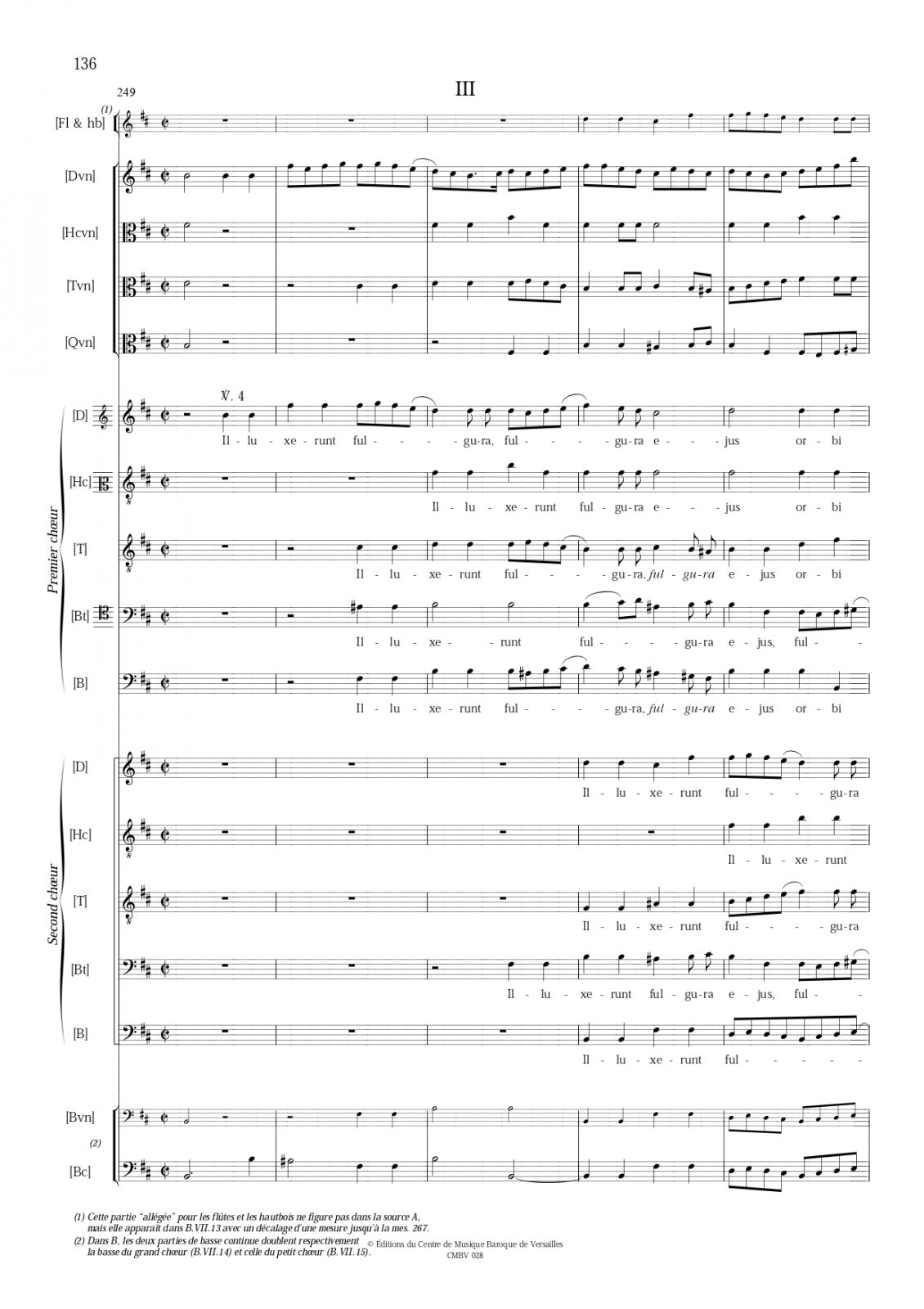
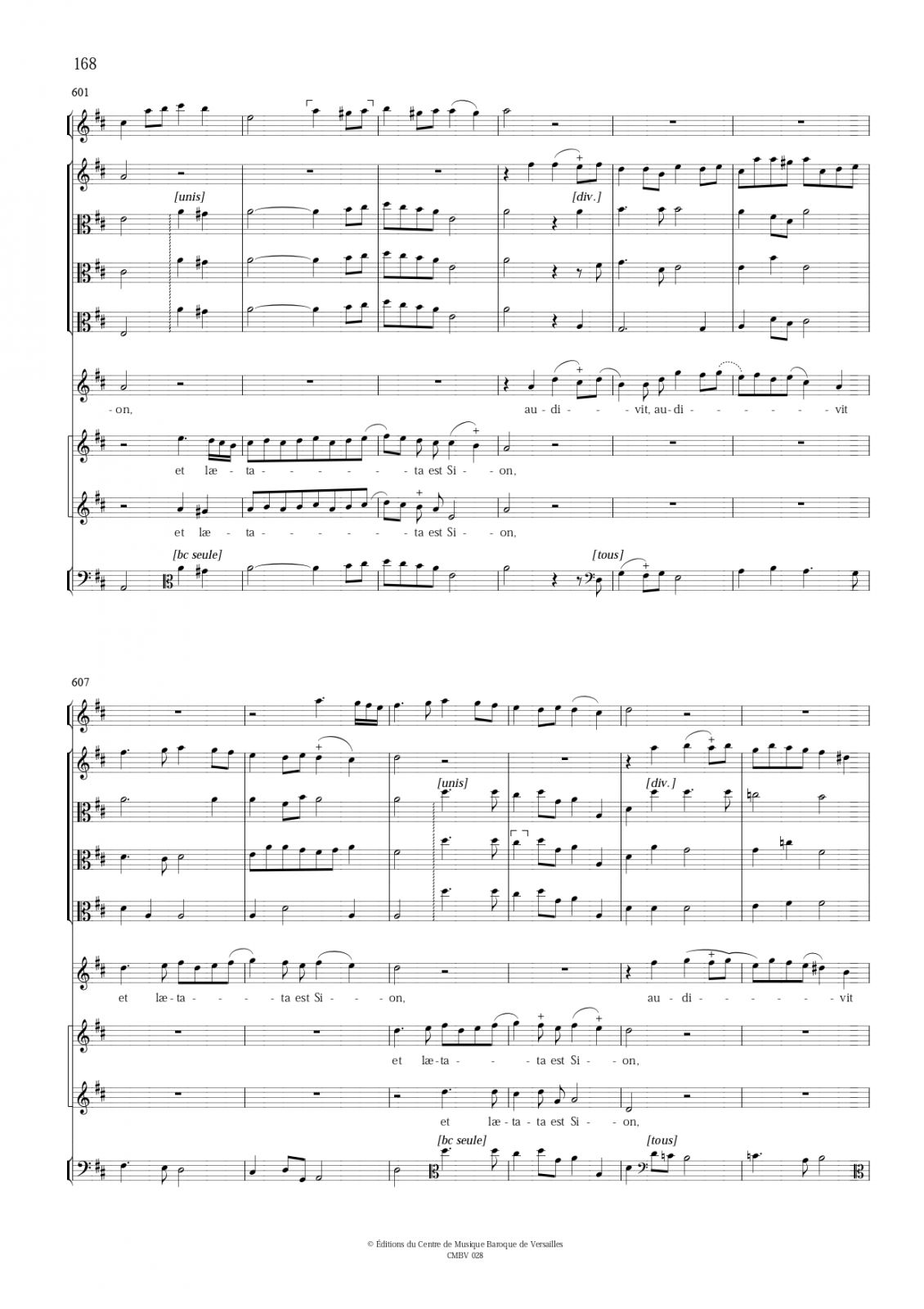
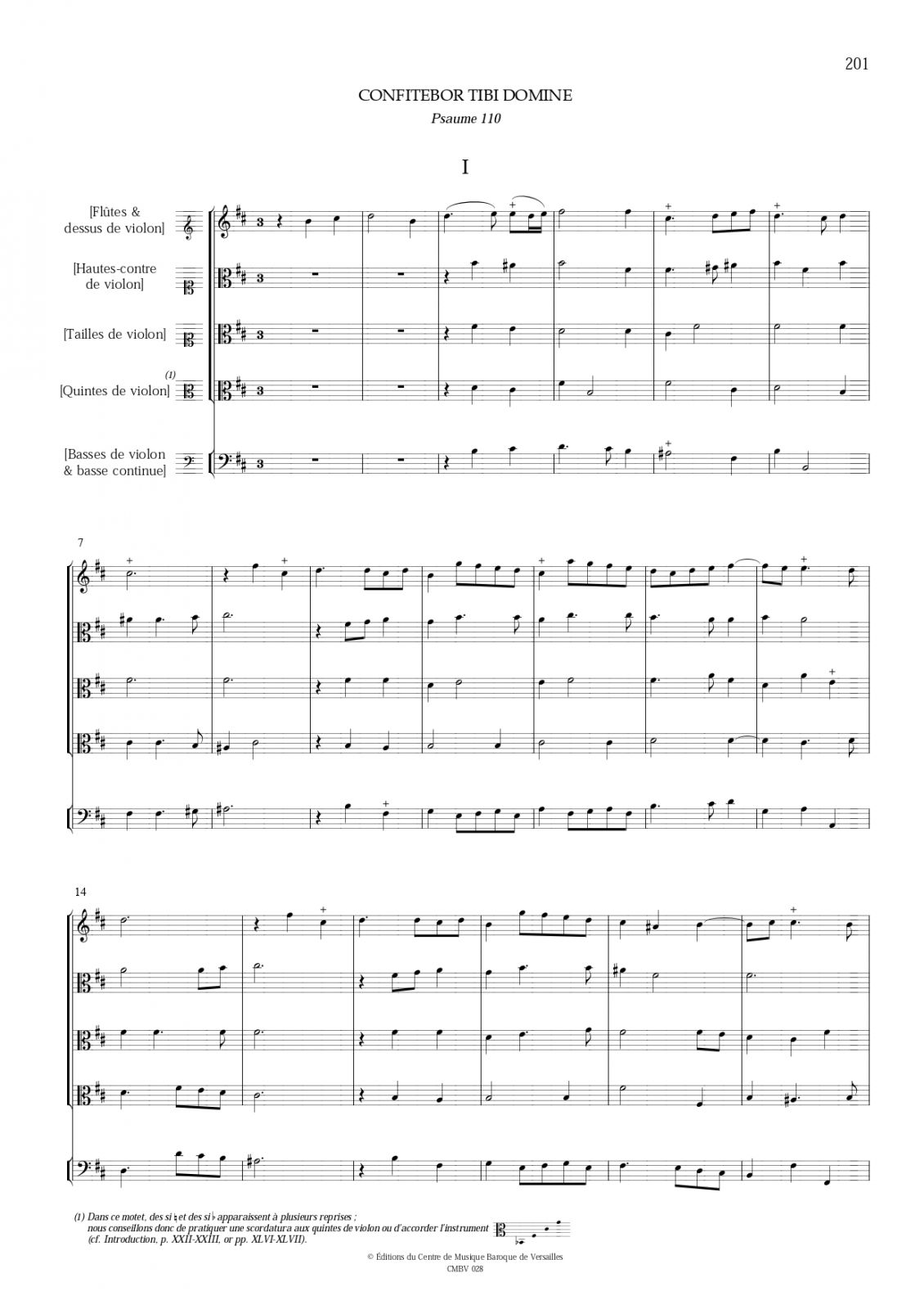
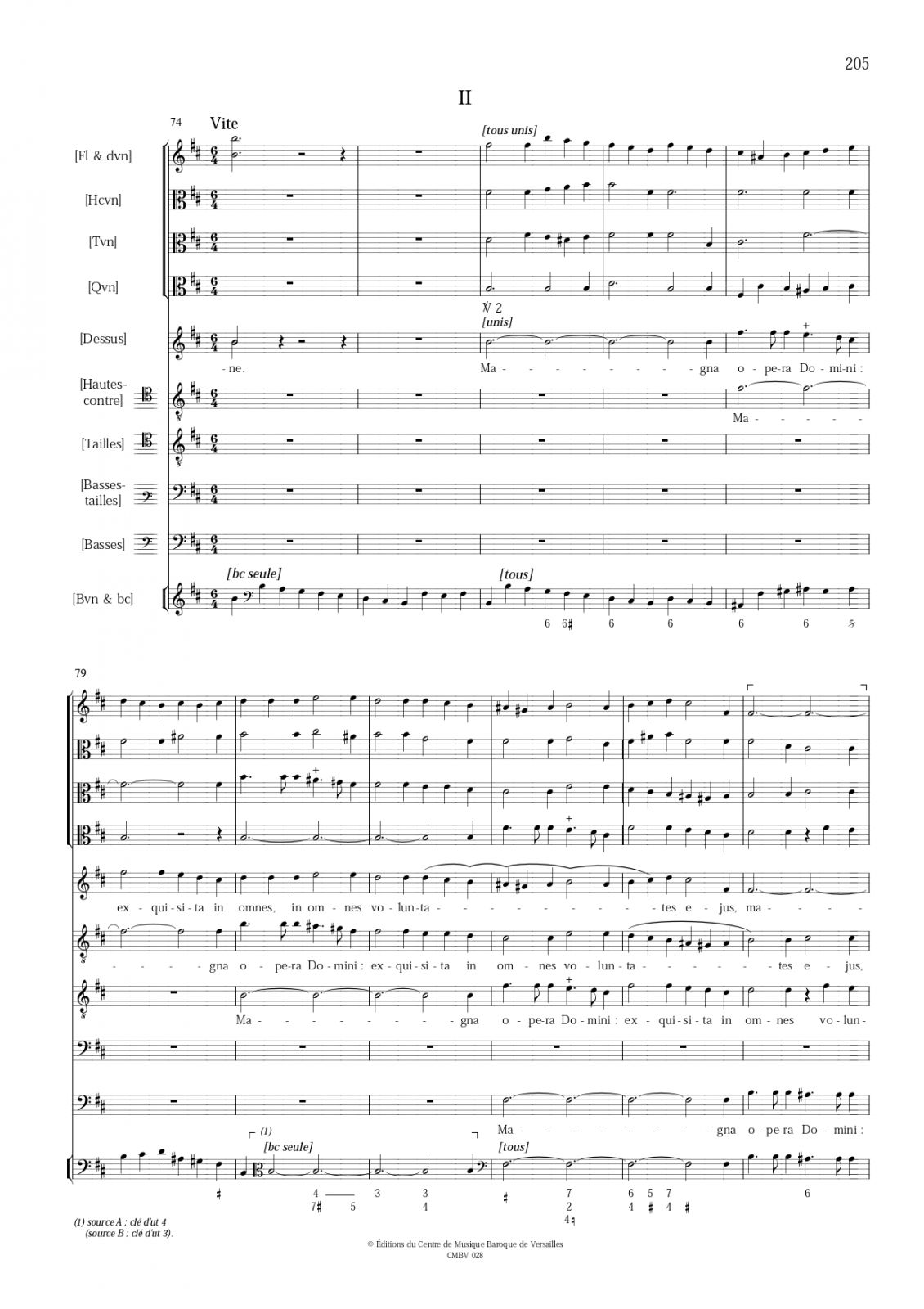
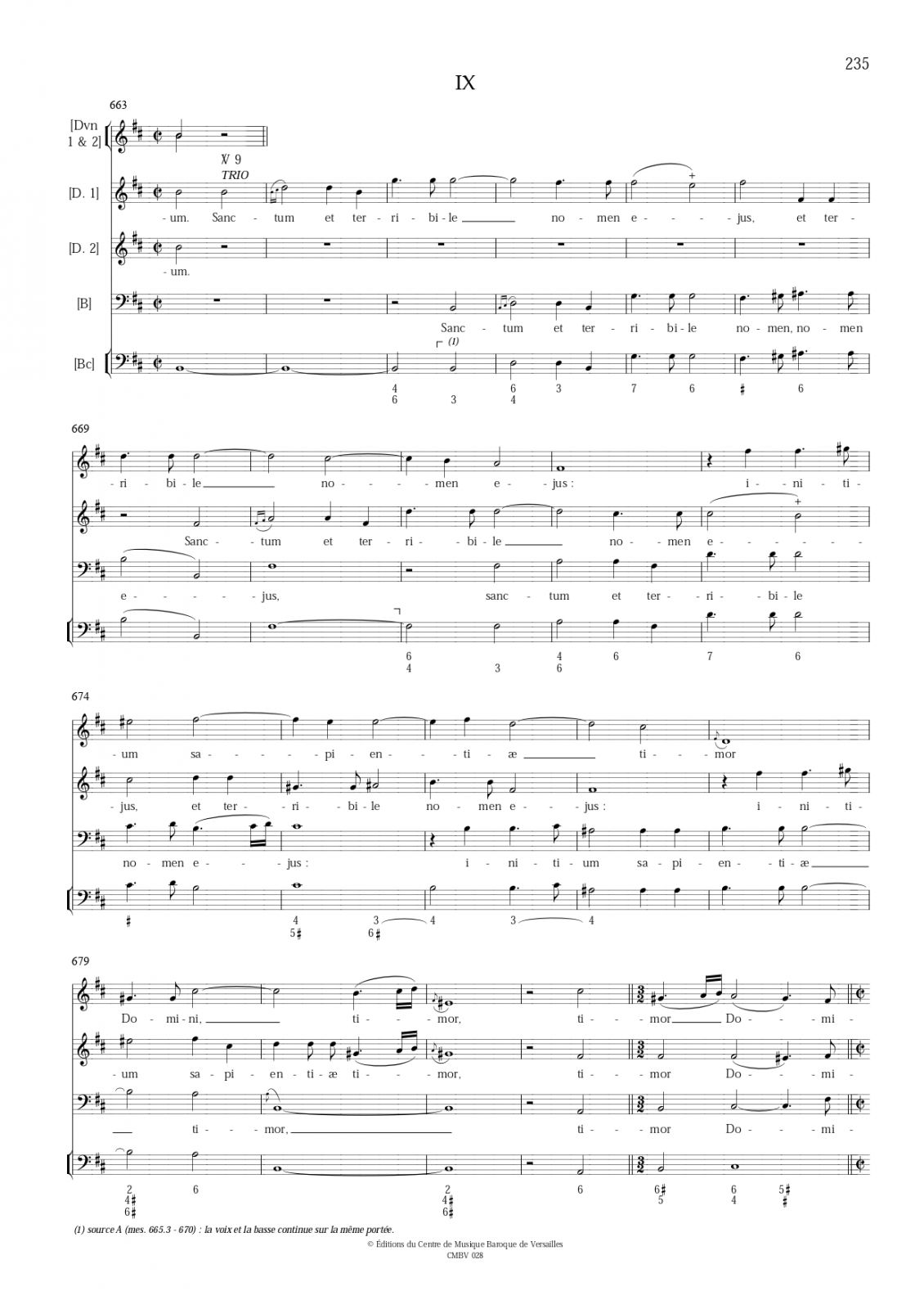
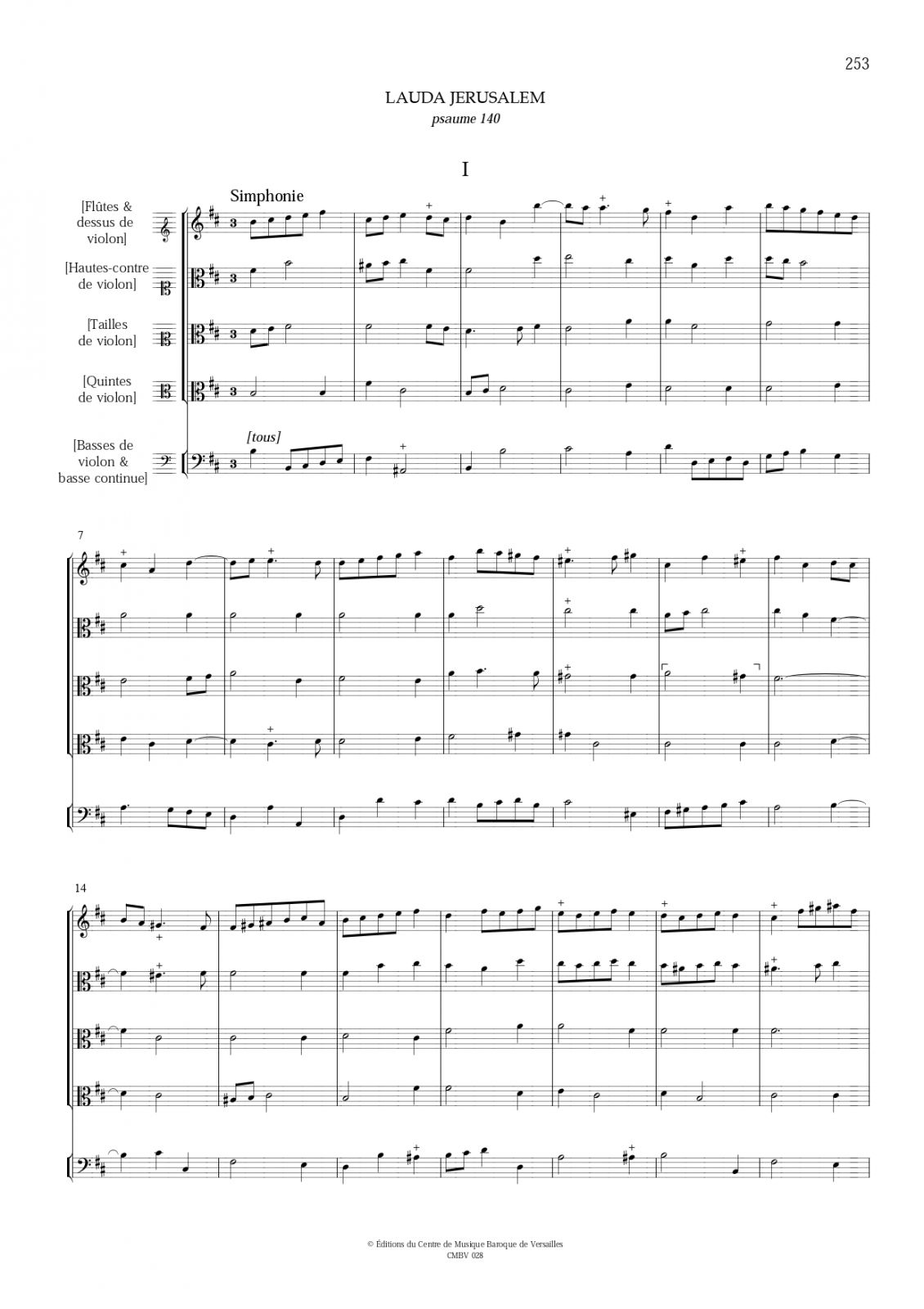


The present collection brings together the five motets that Desmarest composed during his exile at the Lorraine court, but which he intended for the musical establishment of Louis XIV. Desmarest hoped to have them heard by the monarch and to obtain a measure of grace in his favour; following a case of abduction, and sentenced to death by the Châtelet de Paris, he was able to escape to Brussels in 1699, but remained banished from the kingdom.
The choice of texts he sent in this way is, of course, far from anodyne, as they all, in various forms, clearly appeal for royal pardon. These five works, which are among the last we have by the composer, may seem, in this light, as a kind of magnificent "supplication to the king": the music gives pride of place to complaint, lamentation, despair, weeping and sighing, affliction and pain – in other words to all the kinds of affect that closely or distantly evoke various forms of pleading.
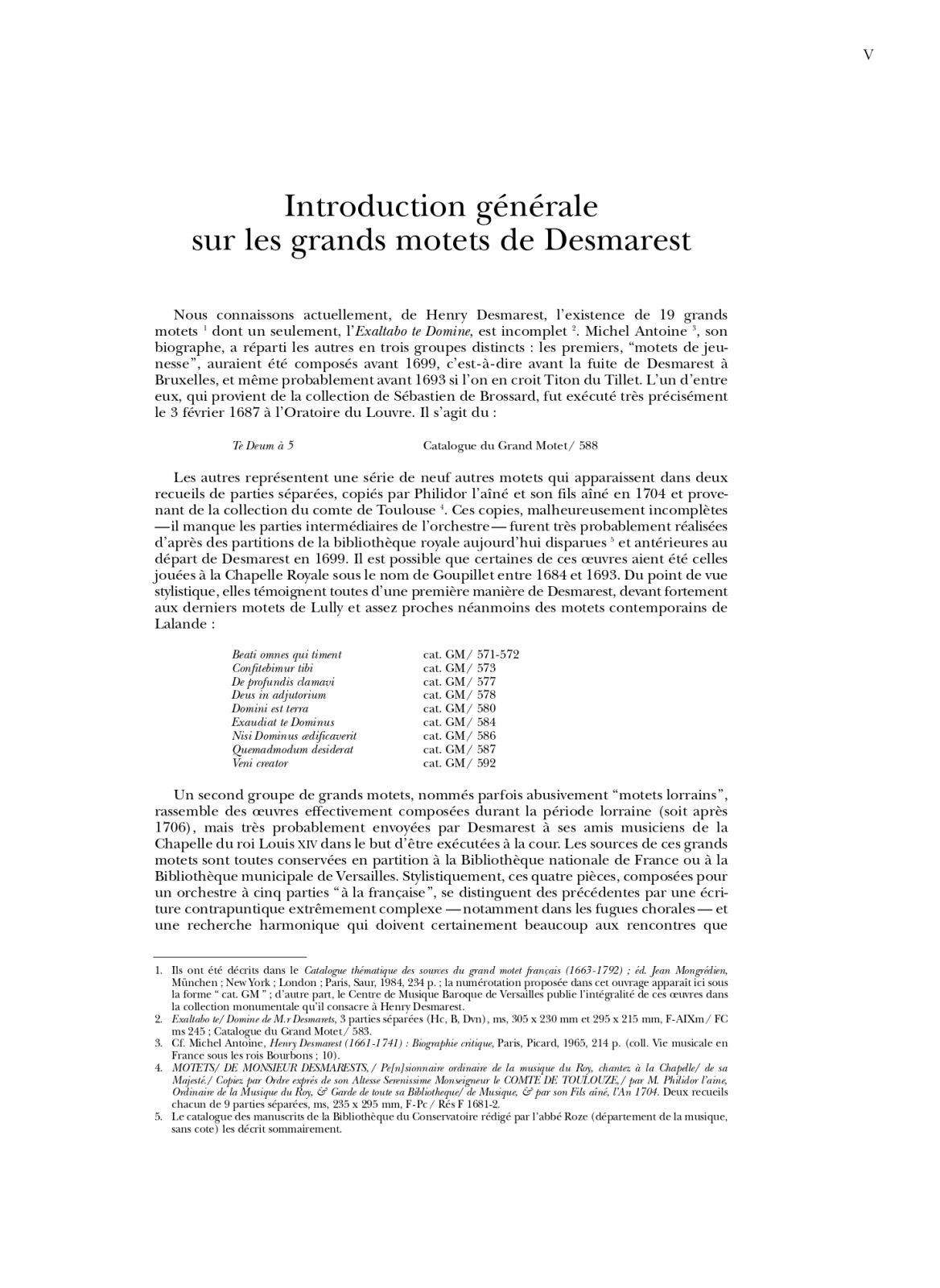
After a general introduction to Desmarest’s great motets, and a meticulous description of the sources, Jean Duron enthusiastically describes the composer’s particular style, which delights listeners with its skilful counterpoint, the texture of the orchestra and voices, and the harmonies, extremely unusual for French music.
Each of these motets is available for performance separately, with the necessary orchestral parts.
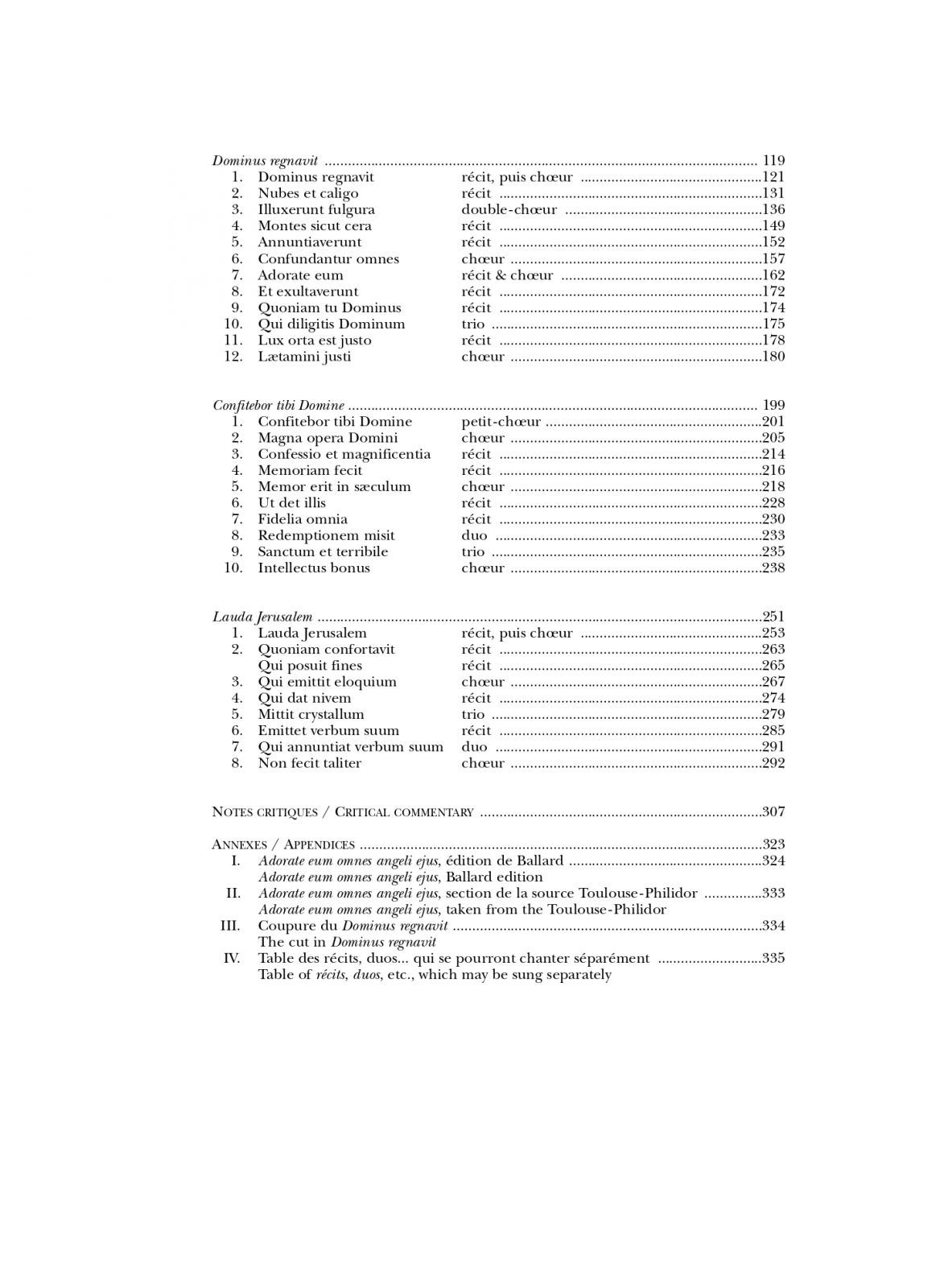
Adoro te eum omnes angeli ejus by Henry DESMAREST, a "petit motet" arranged from an excerpt from the Dominus regnavit
Section of the previous work present in the manuscript "Toulouse-Philidor"
Section of the Dominus regnavit present in manuscript F-Pc/Rés F 1678
List of recitatives, duets, trios, quartets, choruses and small choruses that may be sung separately
Les œuvres
Recommandations


