

Tragédies lyriques, vol. 1 : Didon
Didon
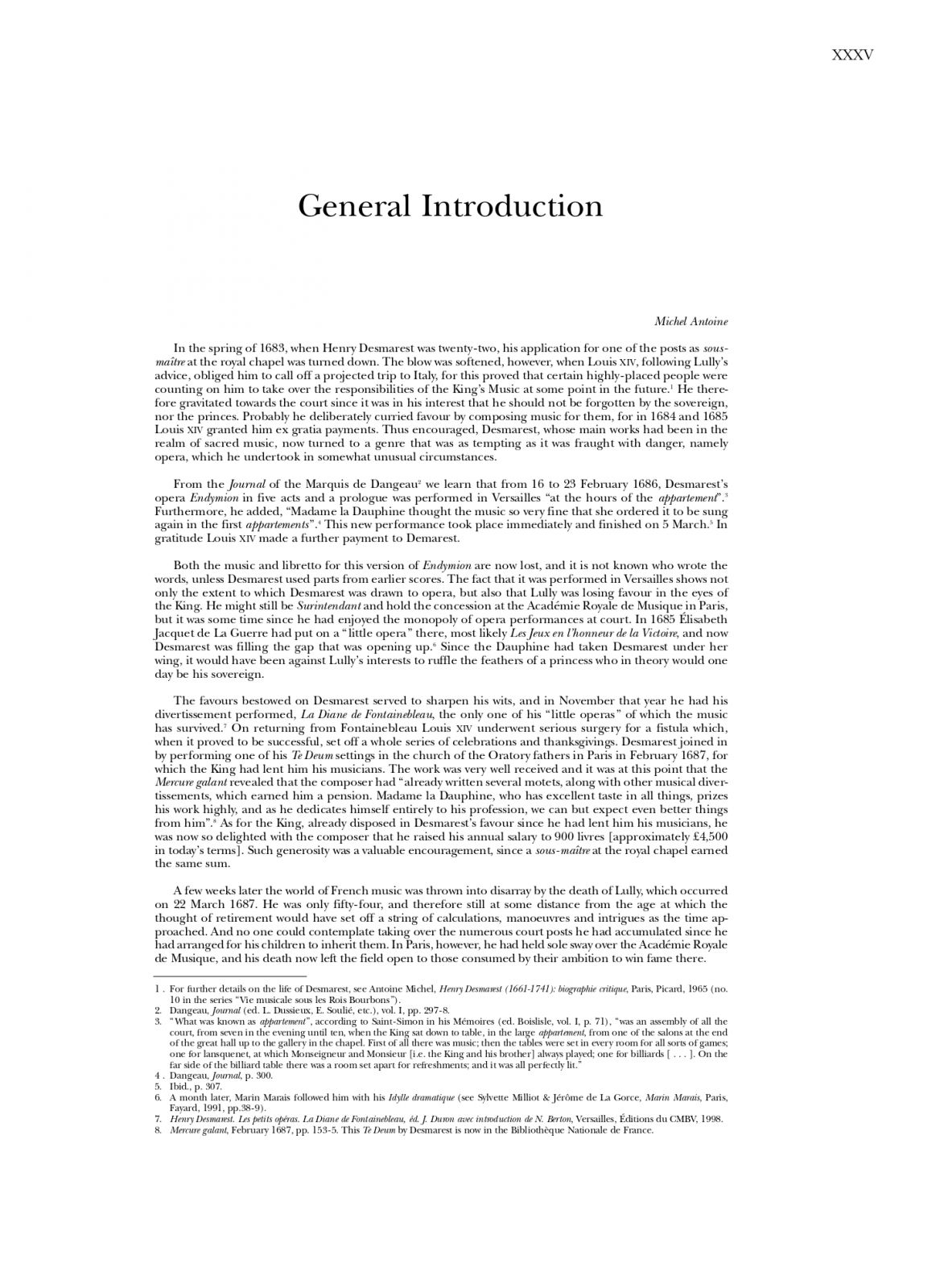
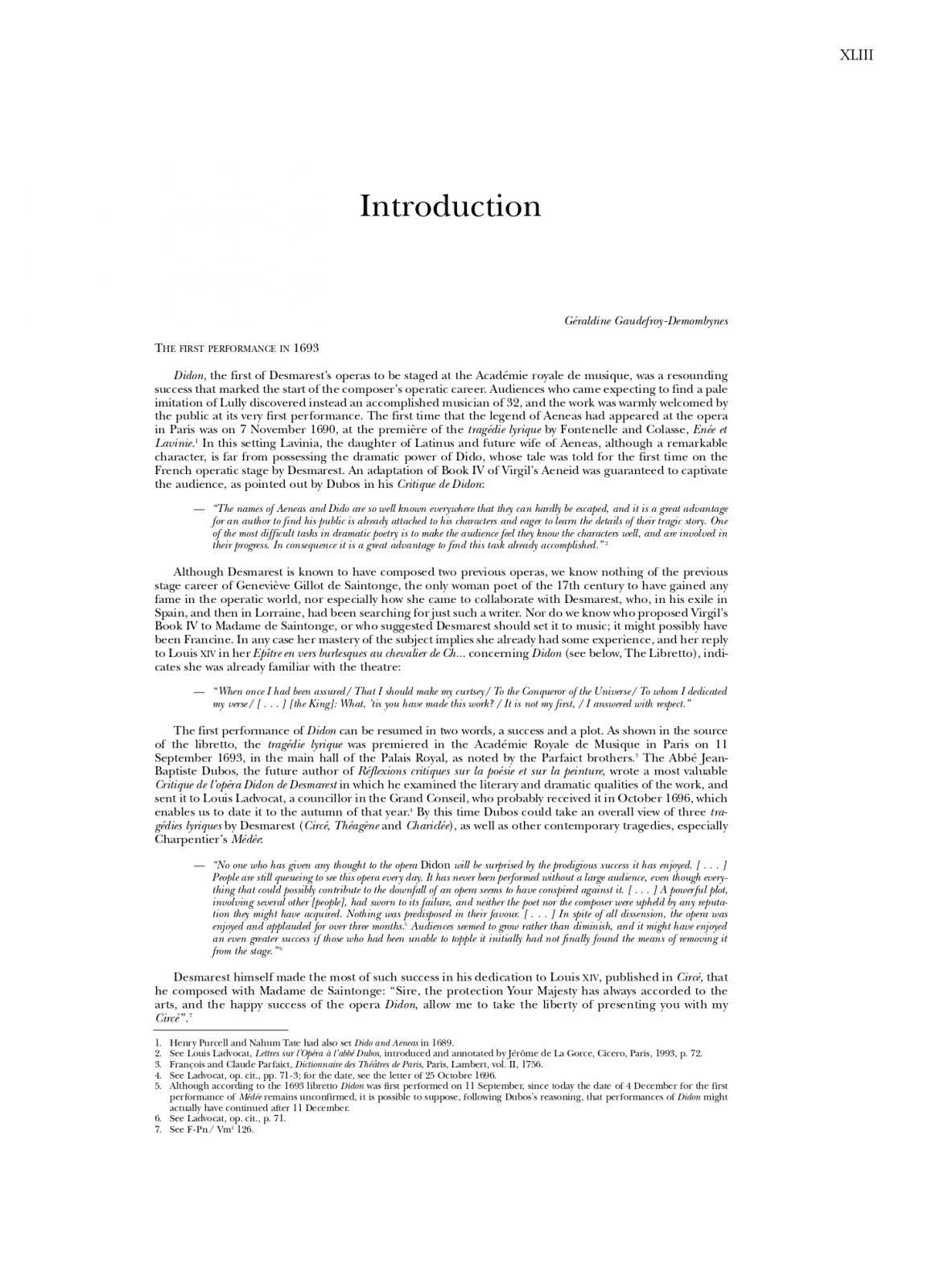
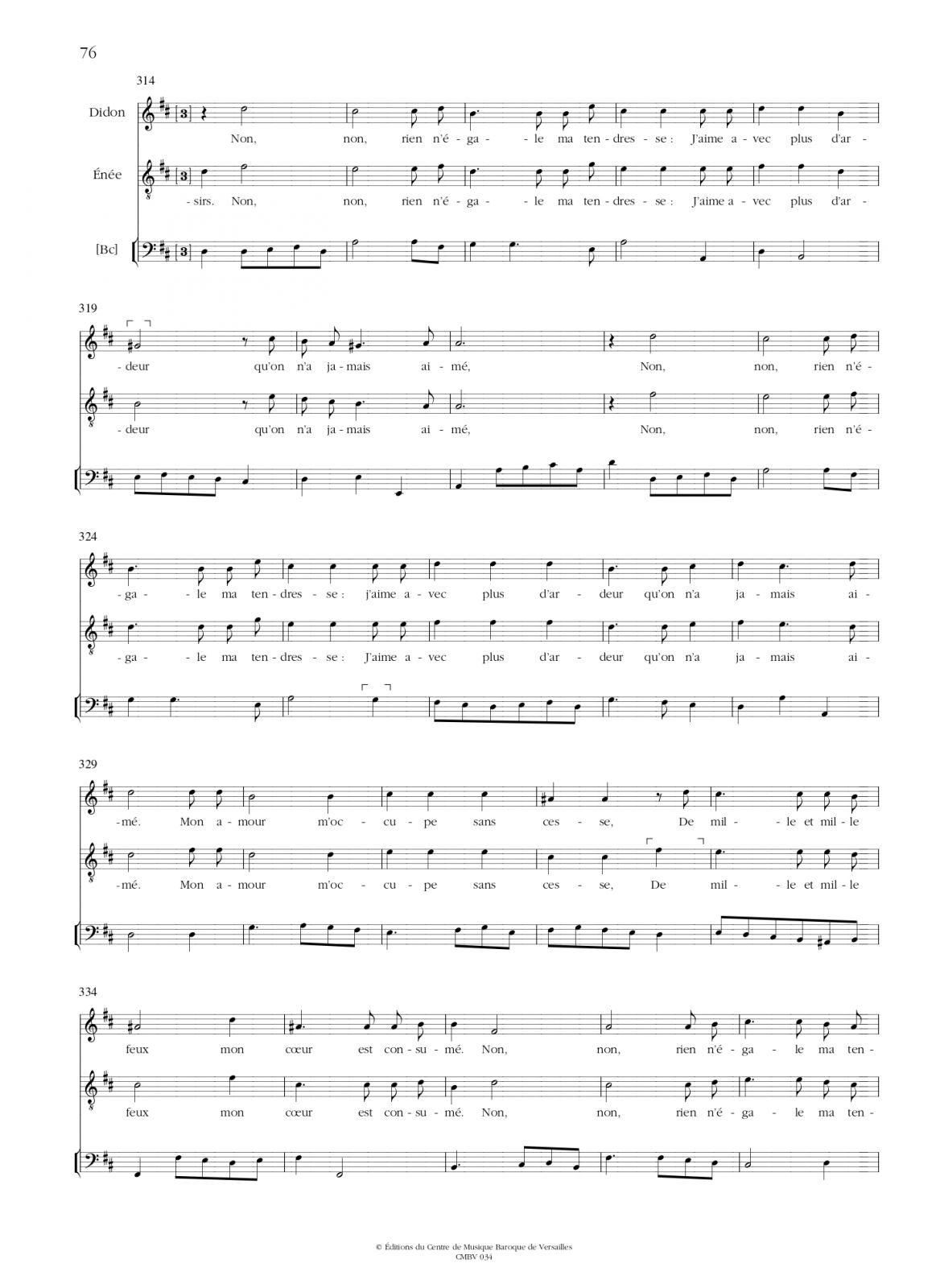
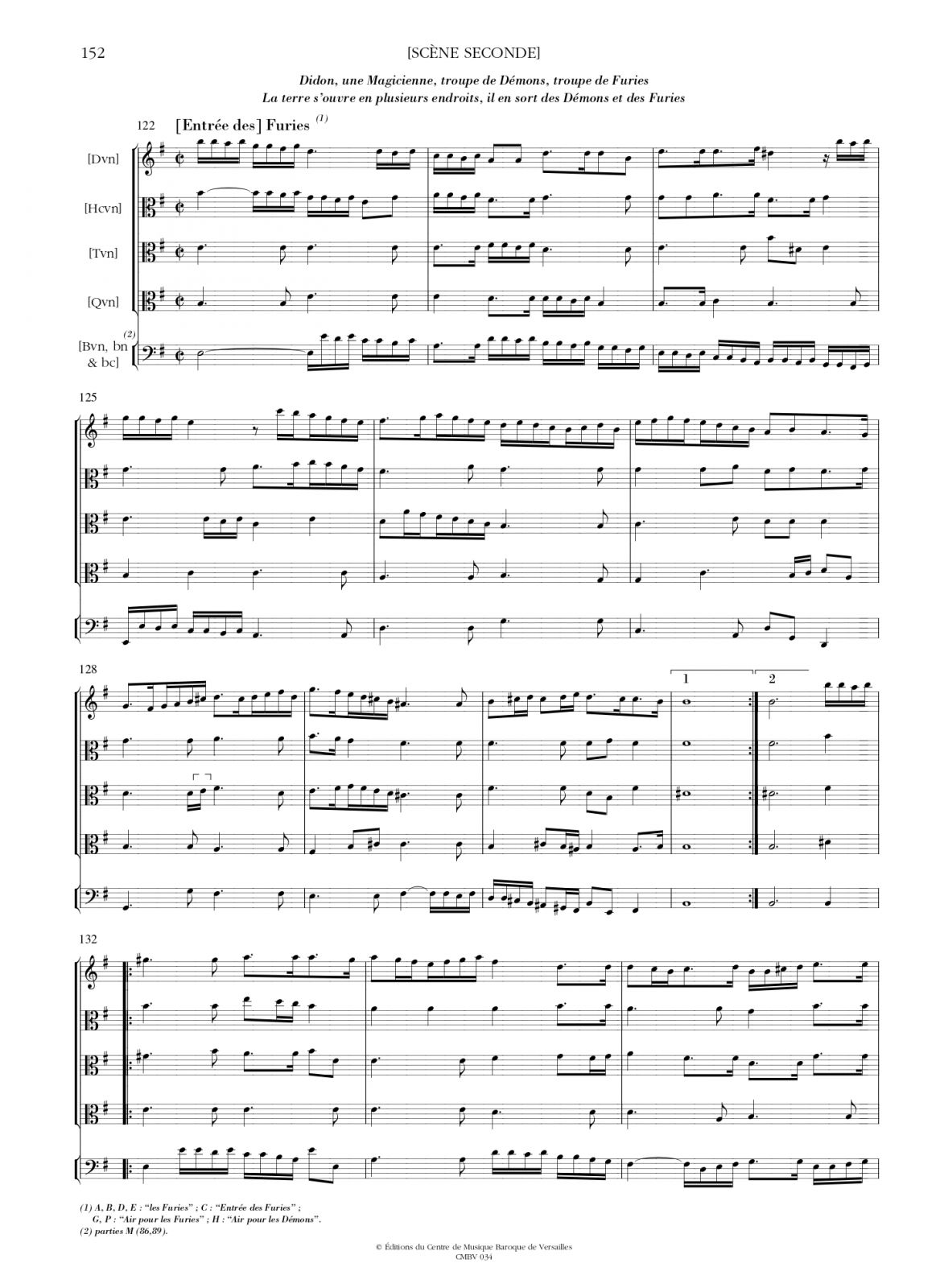
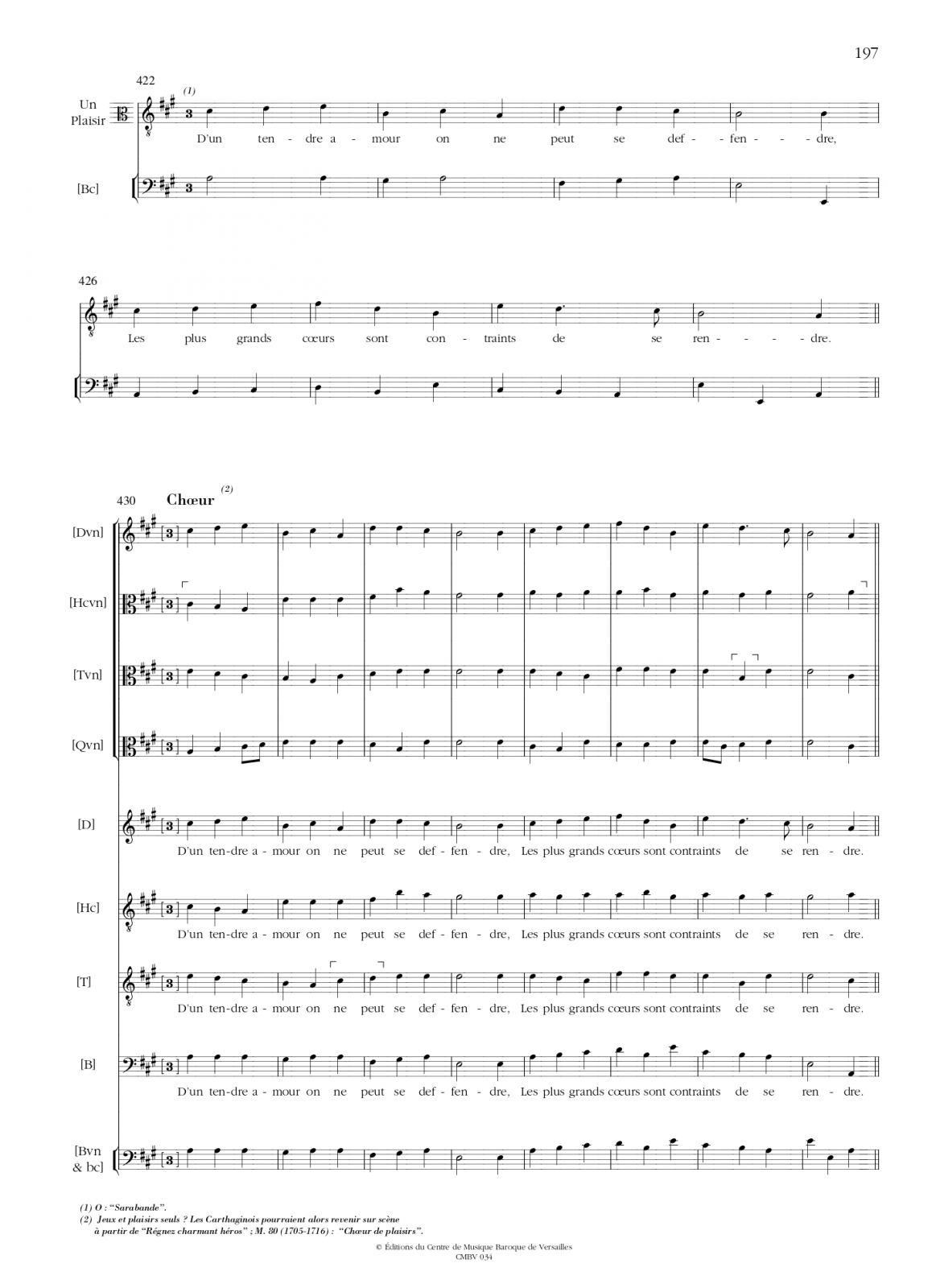
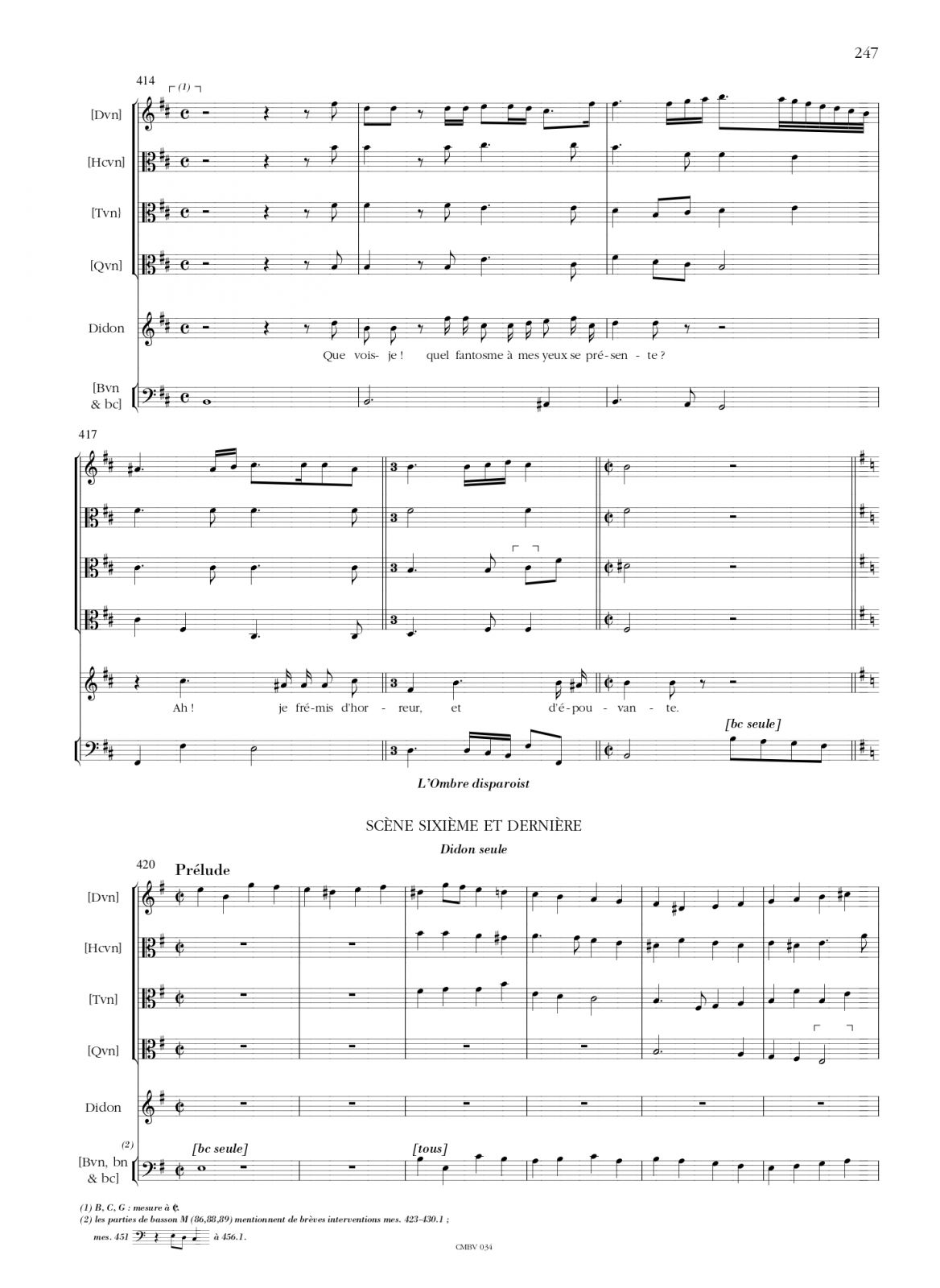


Dido, Queen of Carthage, is preparing to marry Æneas, thereby reneging on a promise made to her late husband and humiliating her suitor Iarbe, the powerful King of Gaul. Iarbe, fearful of this marriage, appeals to his father Jupiter, who promises revenge: Æneas must leave to conquer Italy. Despite Dido’s despair and Æneas’ love, he leaves Carthage before the wedding, under pressure from the god Mercury. Dido, mad with despair, takes her own life.
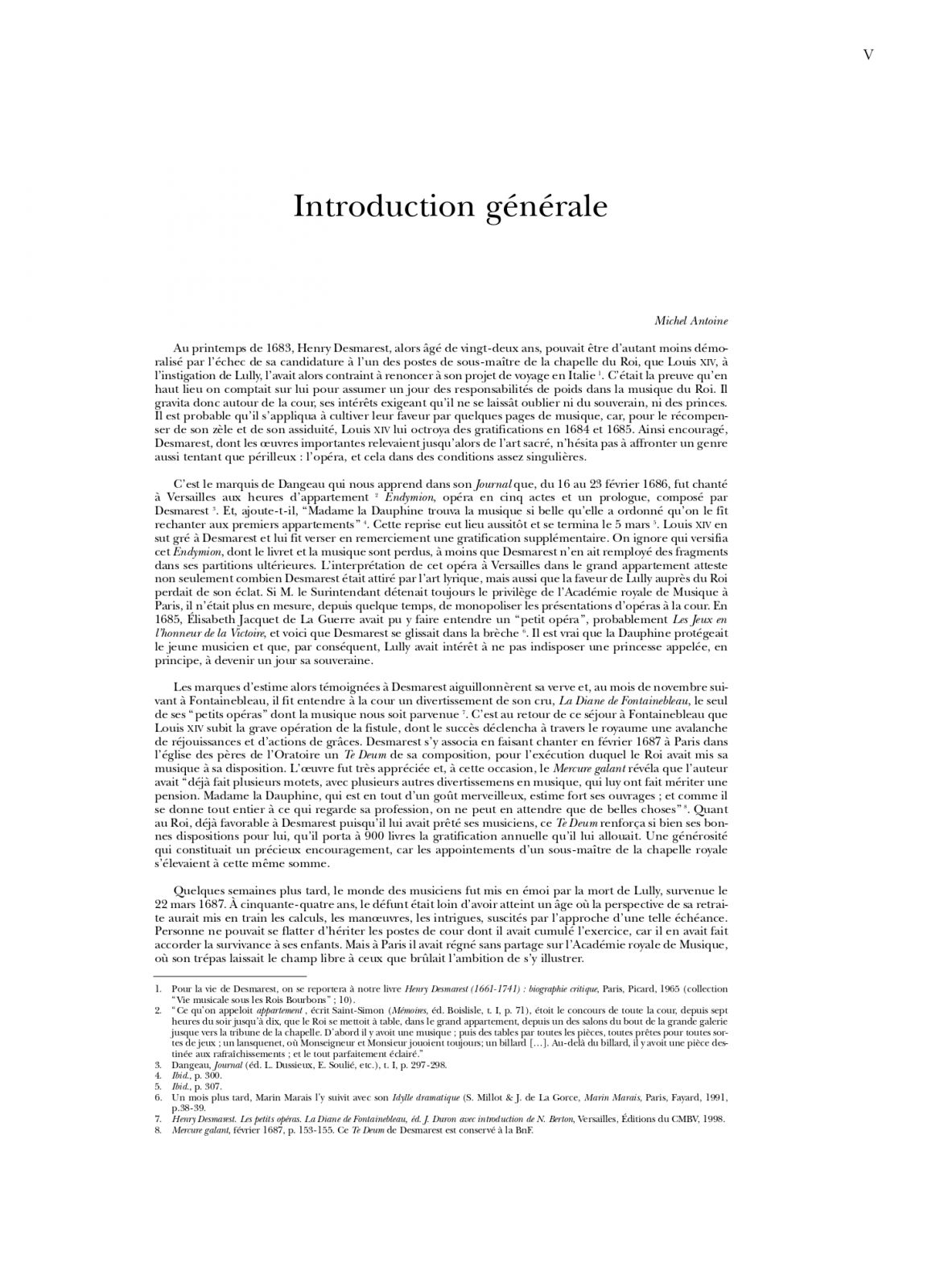
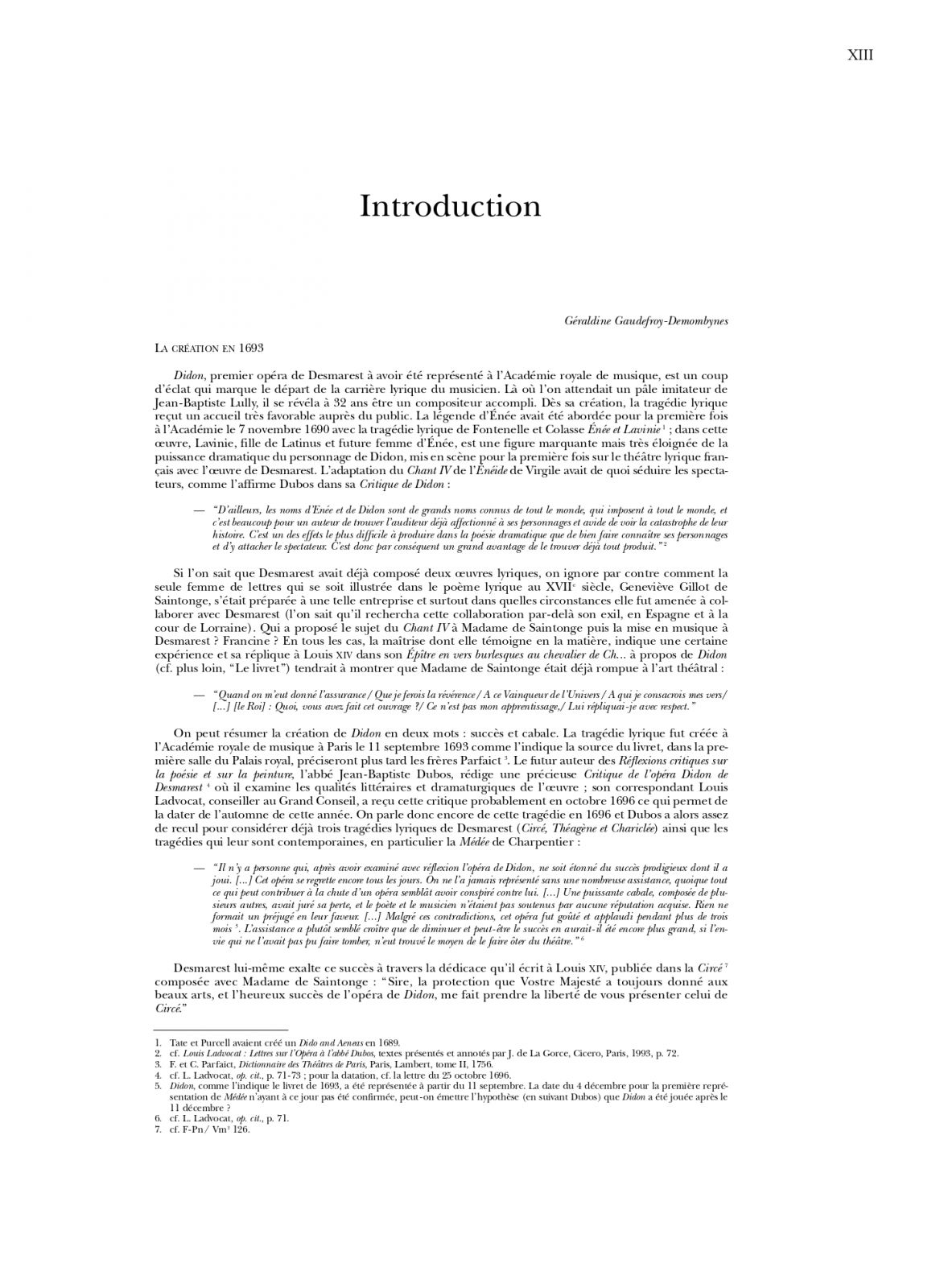
The young Henry Desmarest (1661–1741), a 32-year-old composer and former page of the Chapelle royale at Versailles, made headlines when his tragédie-lyrique Didon was premiered: he had just revealed that he was the true author of the music by Nicolas Goupillet, sous-maître de musique at Louis XIV’s royal chapel. The deception ridiculed the monarch, his musical establishment and the 1683 competition for new official composers. While the success of the opera certainly benefited from the scandal, the failure of the powerful cabal that was mounted to remove it from the stage confirms that the public immediately appreciated the quality of the work. This gave the Académie Royale de Musique, bereft after the deaths of Lully and Quinault, a new lease of life.
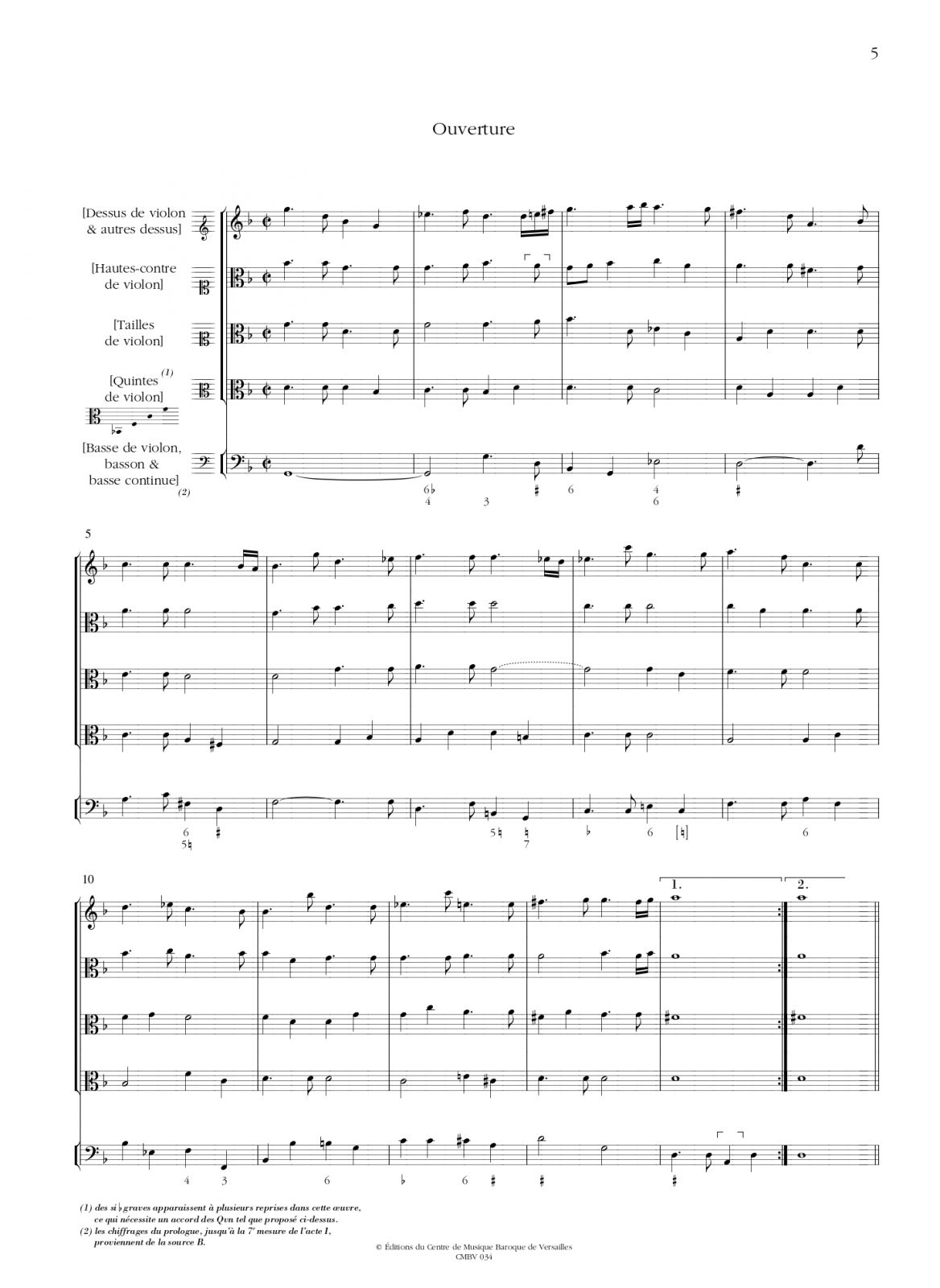
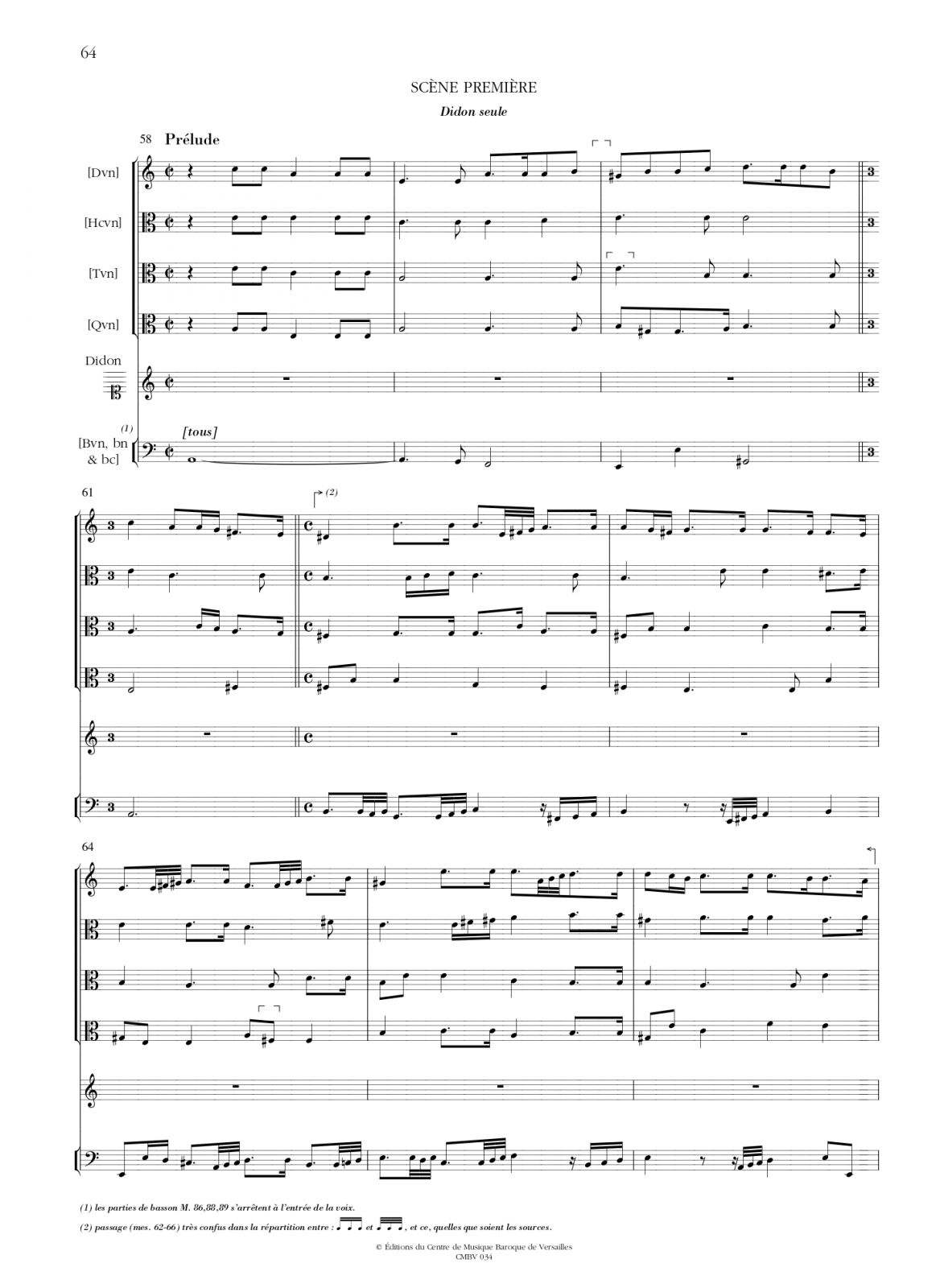
The work is undeniably original. Although it is strongly inspired by Lully’s Armide, it emancipates itself from it through a new sense of drama and, above all, through a musical style that owes much to the composer’s other great models: Henry Du Mont and Marc-Antoine Charpentier. The arias show an extreme sense of vocal fluidity; many of them are accompanied by the orchestra, owing more to accompanied recitative than to Italian arias. They highlight the most important moments of the drama: moments of truth, intimate drama, solitary sentiment. In this way, the orchestra classifies and hierarchises the roles: Dido and Iarbe are the great protagonists of this work. Dido opens and closes the opera, remaining centre stage throughout the drama. The music reserves special, mysterious effects for Iarbe, such as when he sings of his despair, accompanied by four viola parts.
Madame de Saintonge, the librettist of the work, possessed a rare gift: she knew how to write for music. Desmarest collaborated with her throughout his life. Madame Saintonge’s use of elegant language gives the piece great strength. She moves away from Virgil to portray Æneas as a human being: a hesitant prince who, whilst capable of founding Rome, suffers the pangs of love. The orchestral pieces show a strong sense of counterpoint and a subtle taste for tonality tinged with modal formulas. The influence of Charpentier and his direct way of depicting passions and dramatizing musical discourse, derived from Italian style, the density of the musical writing, the mysticism of this young composer who prefers dark landscapes and anguish, the disarray, the permanent tension of gestures are all convincing evidence that this is a great opera.
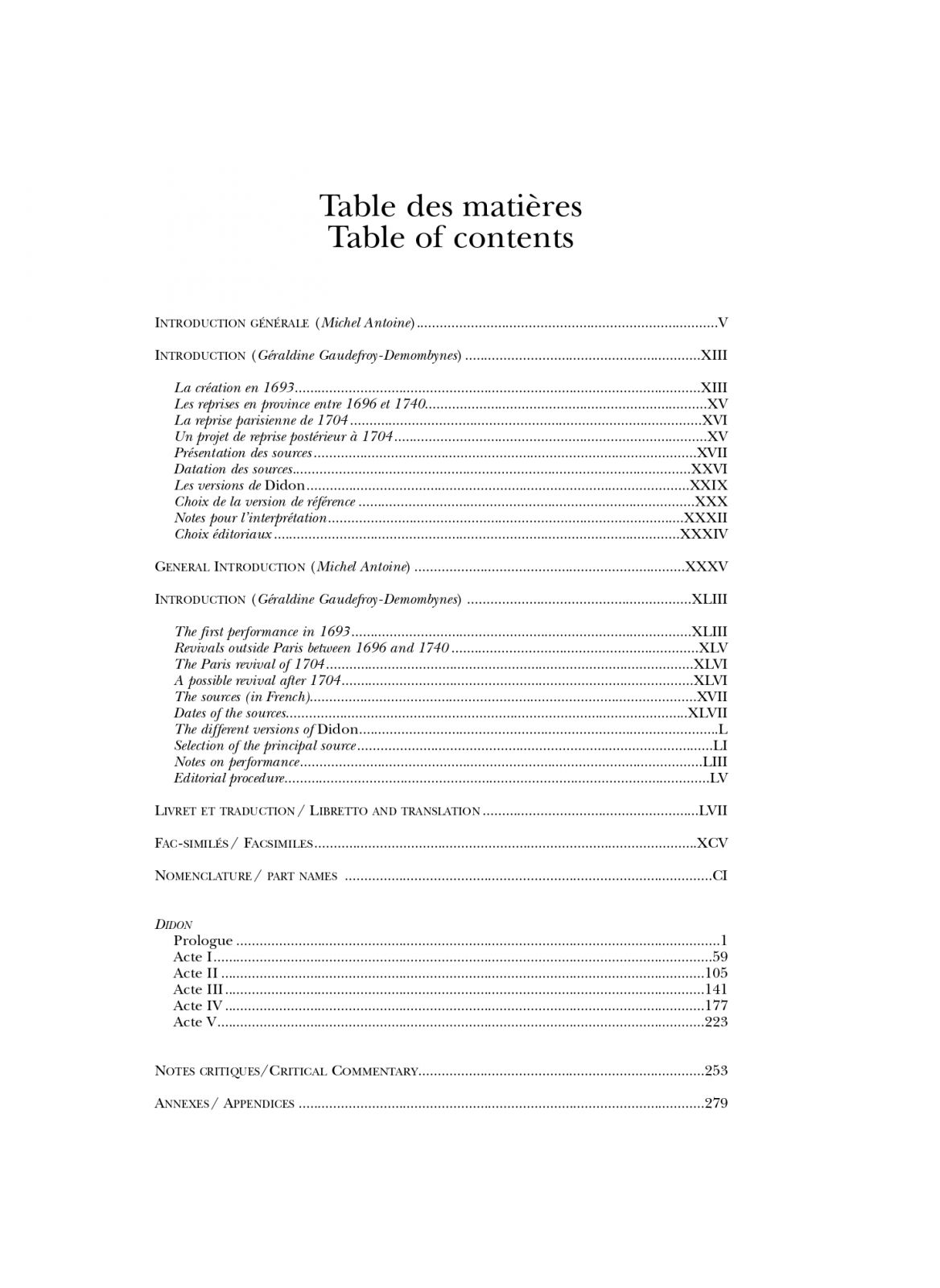
The present critical edition, by Géraldine Gaudefroy-Demombynes and Jean Duron, is based on a comparison of over 15 original musical sources and 10 contemporary librettos, enabling us to restore faithfully the first version of the opera. Detailed research has brought to light the variants of the different versions, giving performers great freedom, and clarifying the instrumentation used, so particular to Desmarest. The book includes a wealth of documentation and a comprehensive critical apparatus.
Comparison of the handwriting of different copyists in primary sources
Comparison of the handwriting of different copyists in secondary sources
Different copyists of opera scores
Handwritten annotations in opera scores
Table of Ballard edition pieces
Ballard edition pieces not included in 1693 manuscript sources
Printed choreographic source
Manuscript choreographic sources
Pieces added in 1704 and 1705–1716
Arrangement of a chorus in the Lyon source
Versions of Didon from the complete sources of 1693 and the sources of 1704
The works
Recommendations


