

Grands motets de l'Académie des Beaux-Arts de Lyon
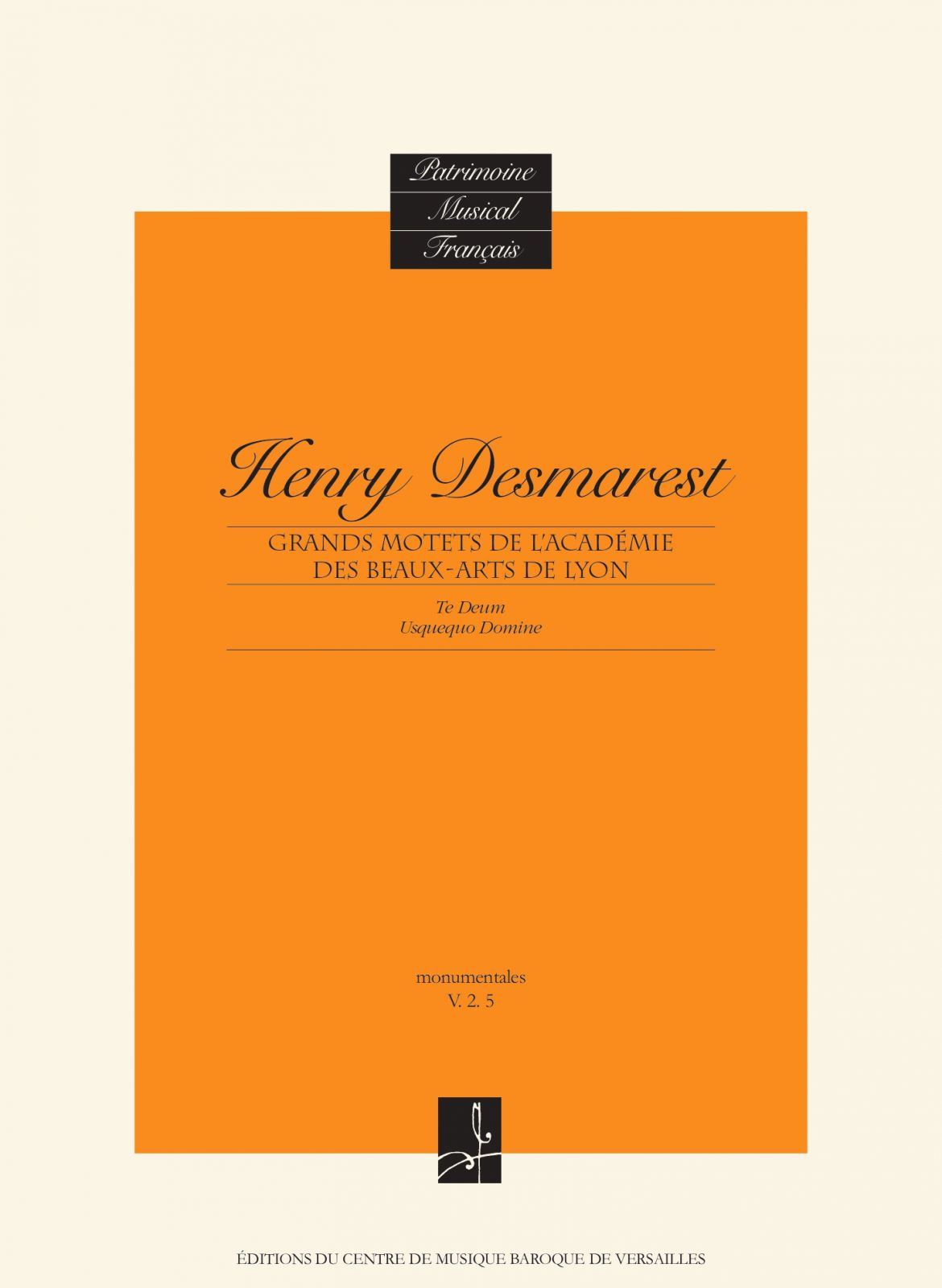
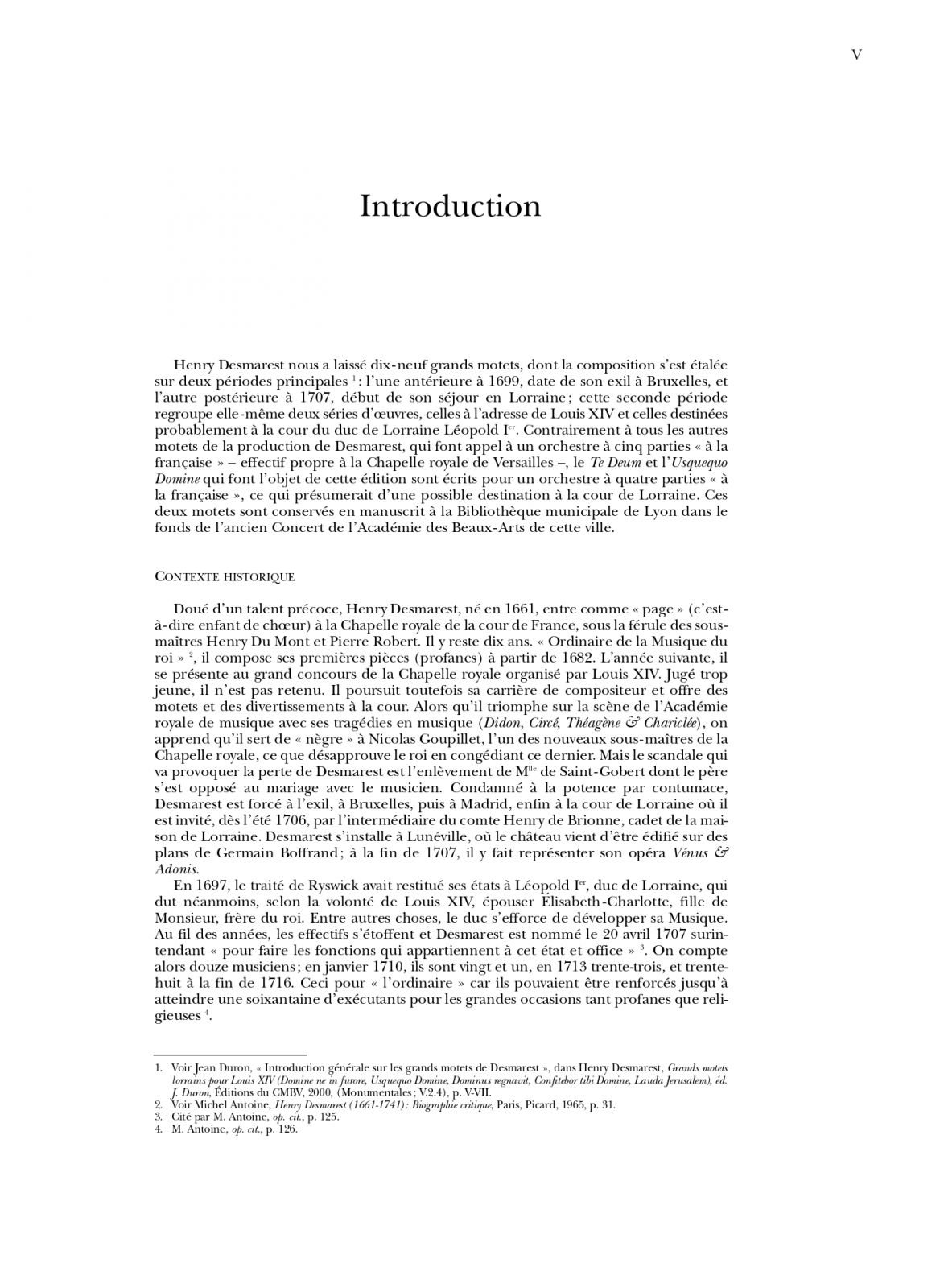
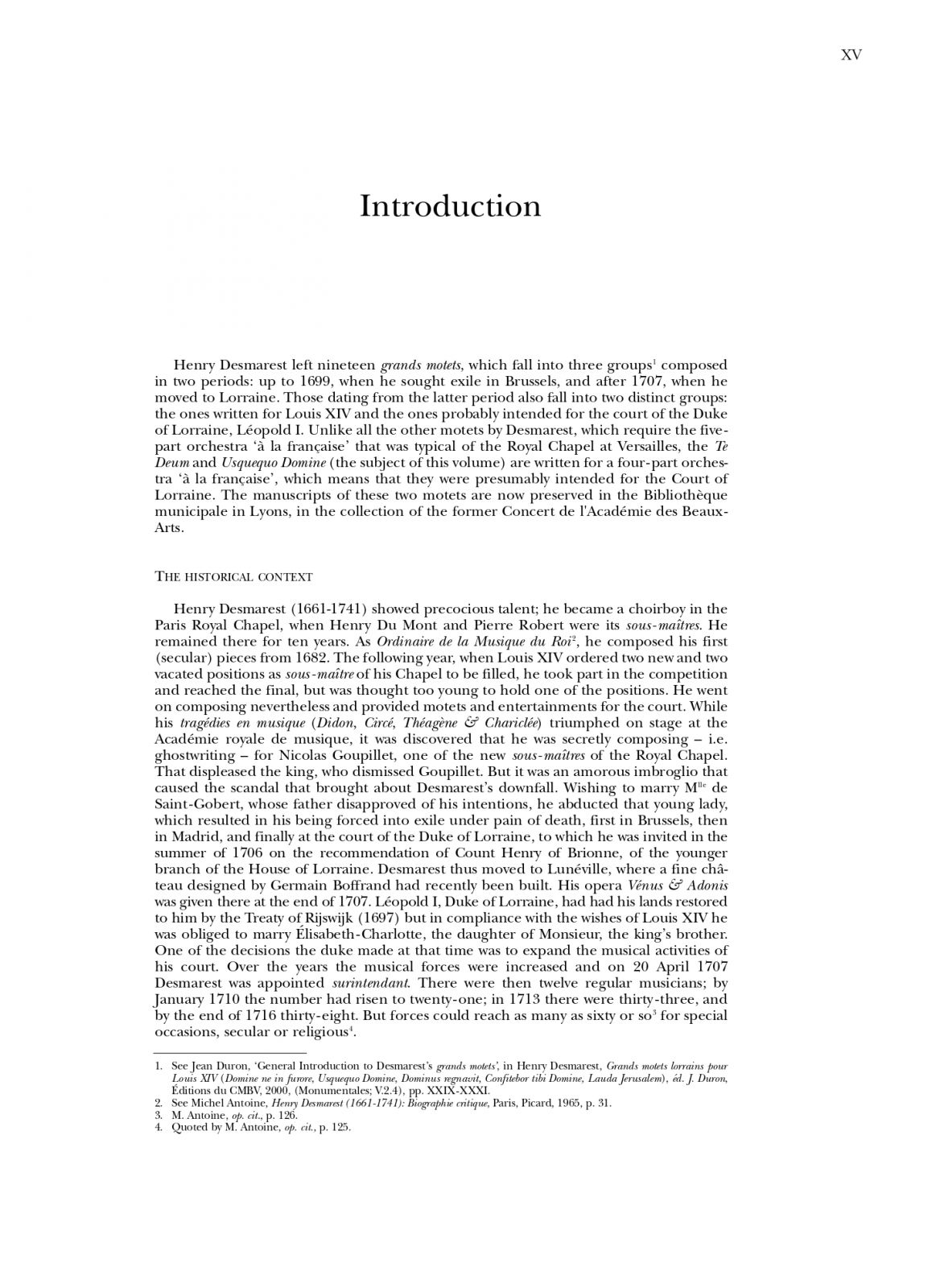
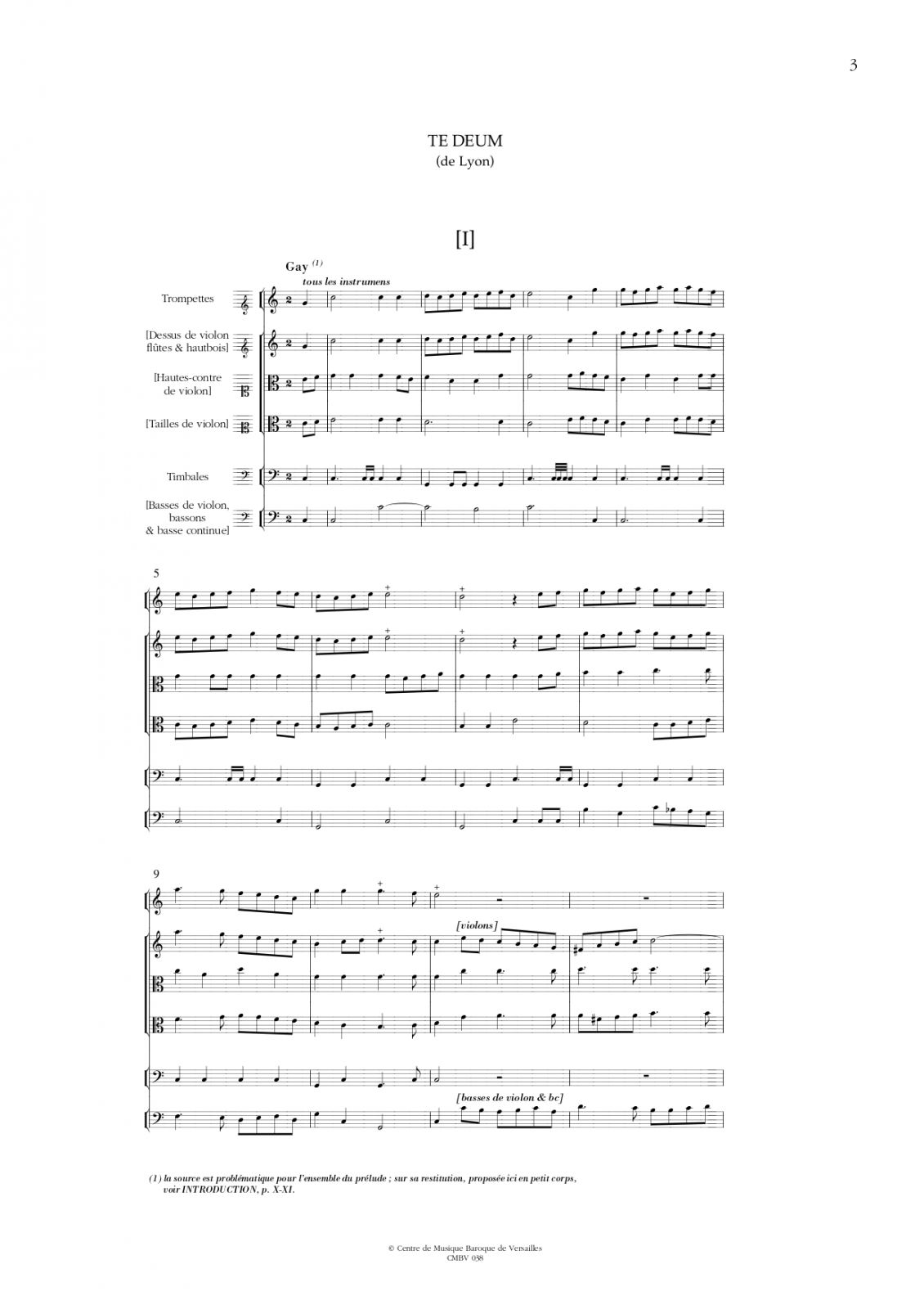
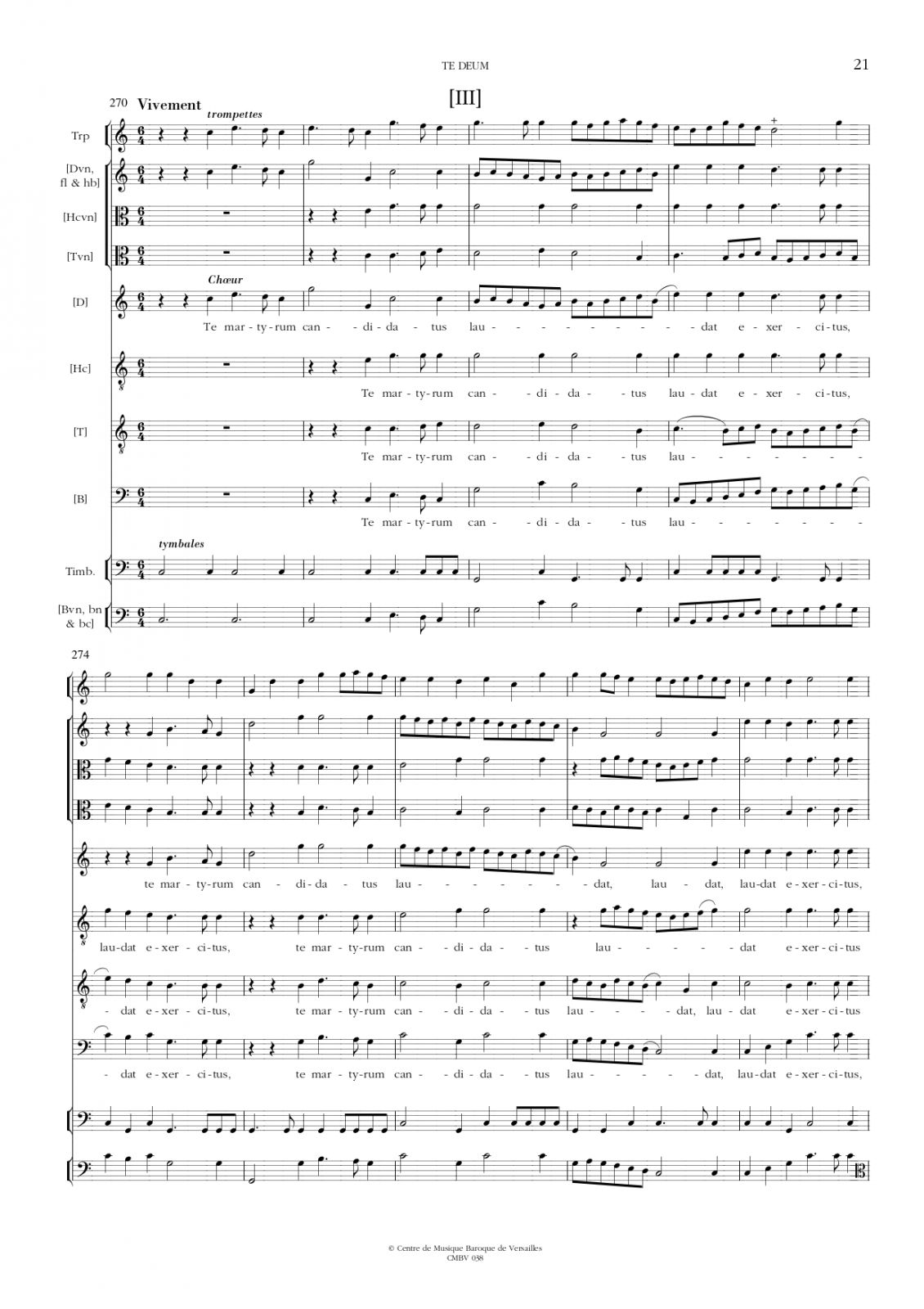
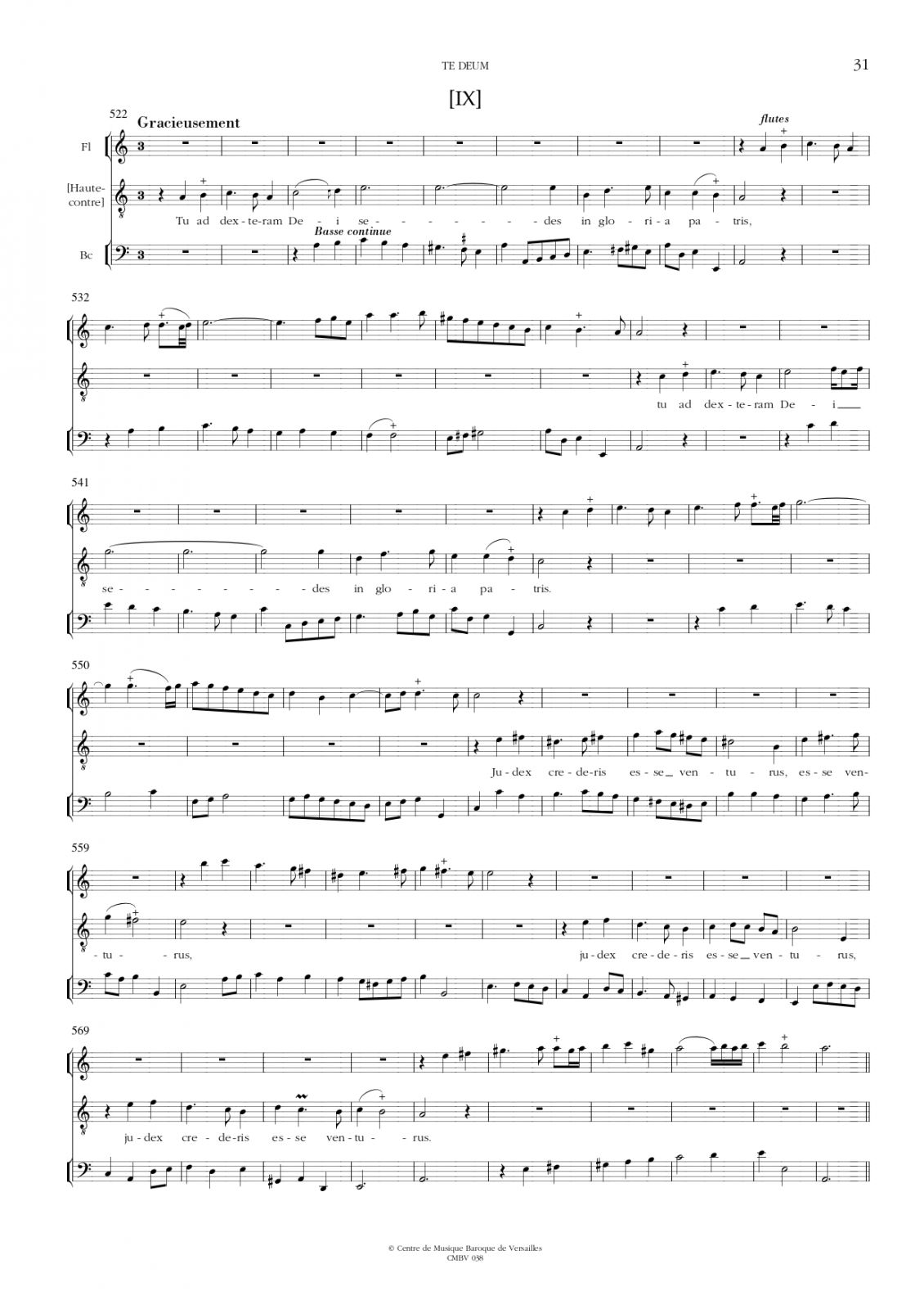
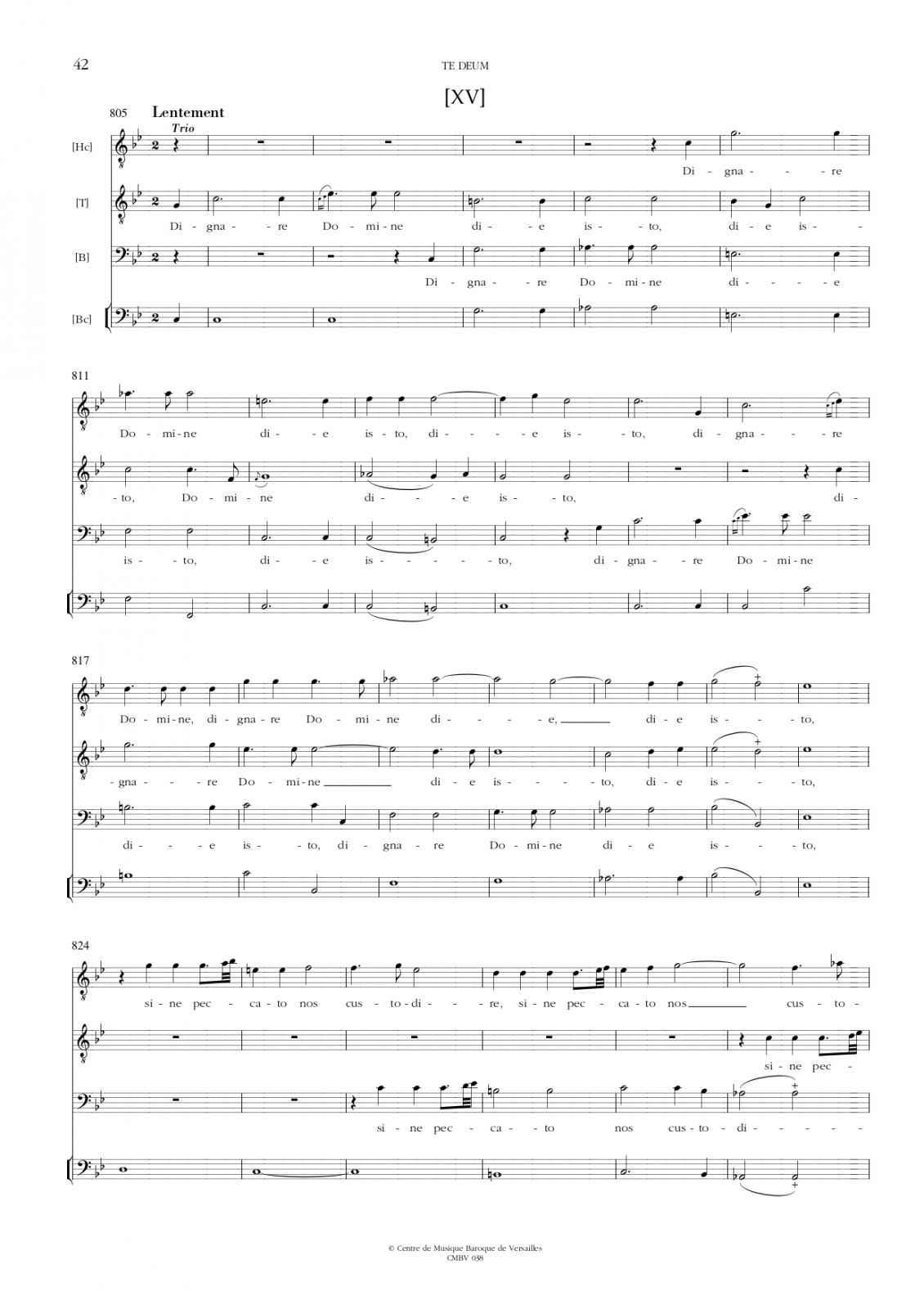
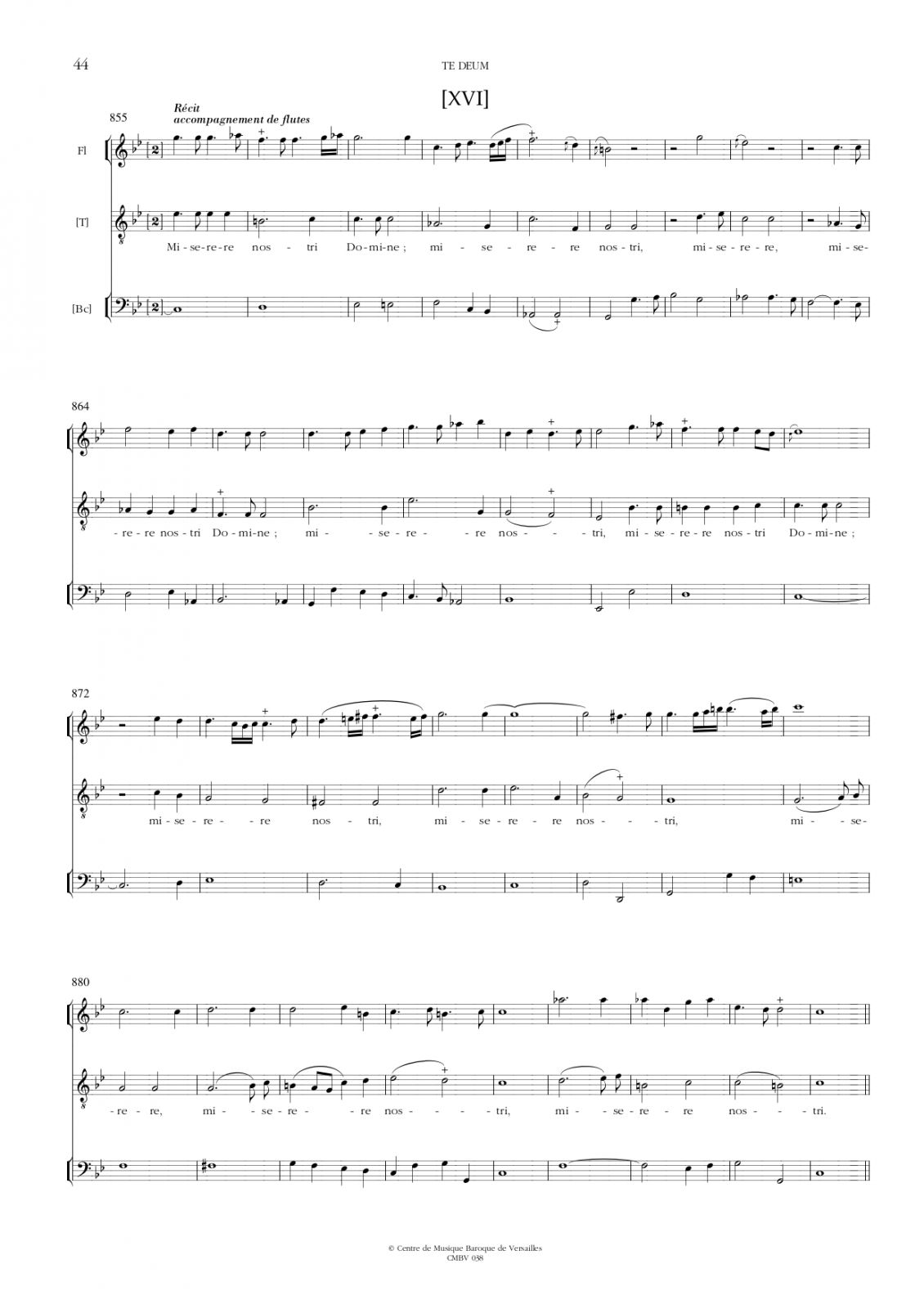
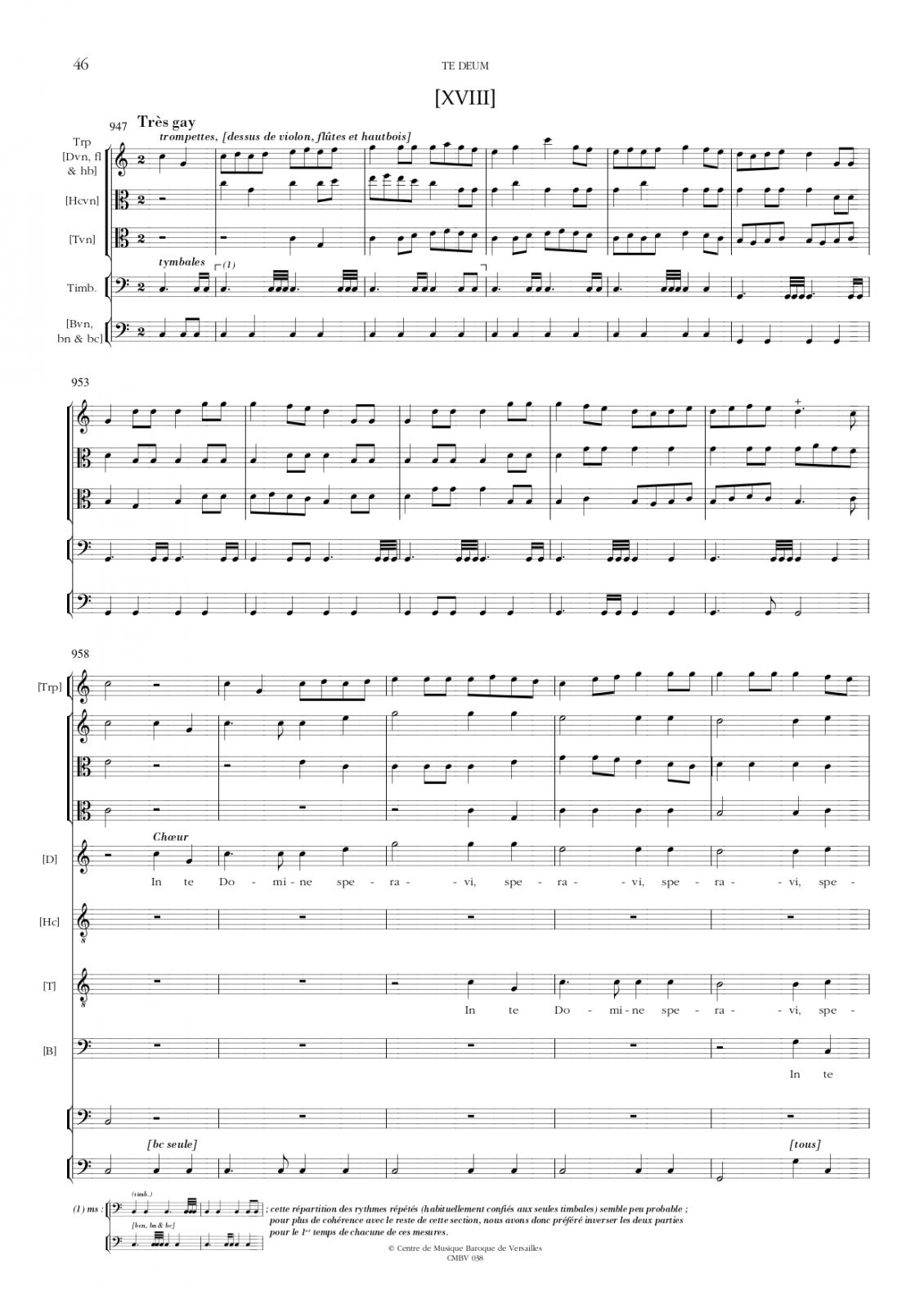
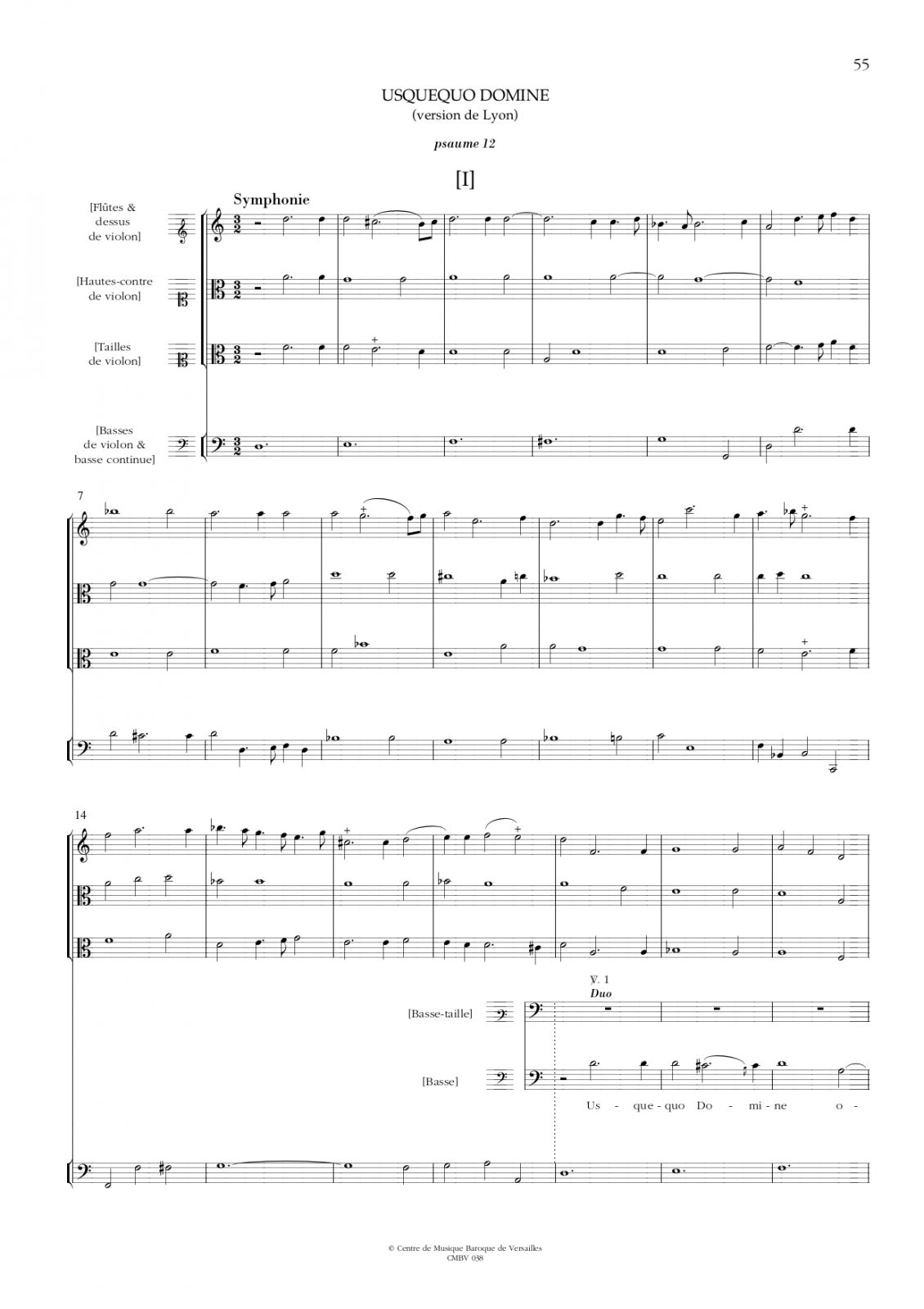
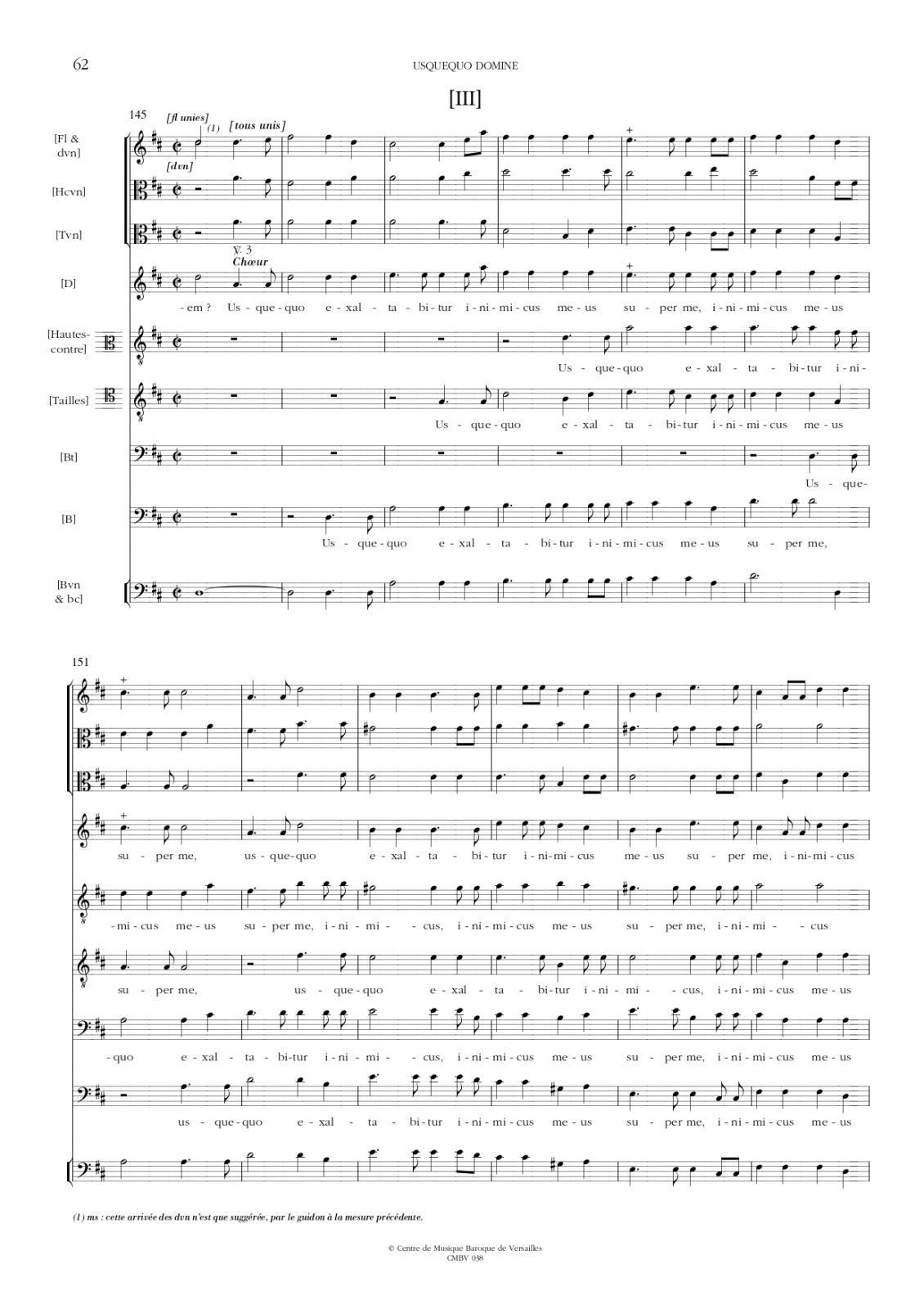


Henry Desmarest, in exile in Belgium and Spain after an incident, took up the post of Surintendent de la musique for Leopold I, Duke of Lorraine and son-in-law of Louis XIV. Lorraine had just gained its independence, and Duke Leopold was striving to develop his musical establishment.
Most of Desmarest’s musical output for Lorraine has been lost, and from what remains it is not yet possible to ascertain what was specifically intended for the Lorraine duchy. While it is certain that these two motets were among those composed while he was there, research has not uncovered any new elements that would allow us to assert that they were the only vestiges of the pomp of the ducal court.
Nevertheless, they bear witness to Desmarest’s extraordinary talent, nurtured by his origins at the court of Louis XIV and on the Paris opera scene, his travels and experience, and his contact with European musicians from Belgium and Spain placed in his path as a result of his extraordinary fate.
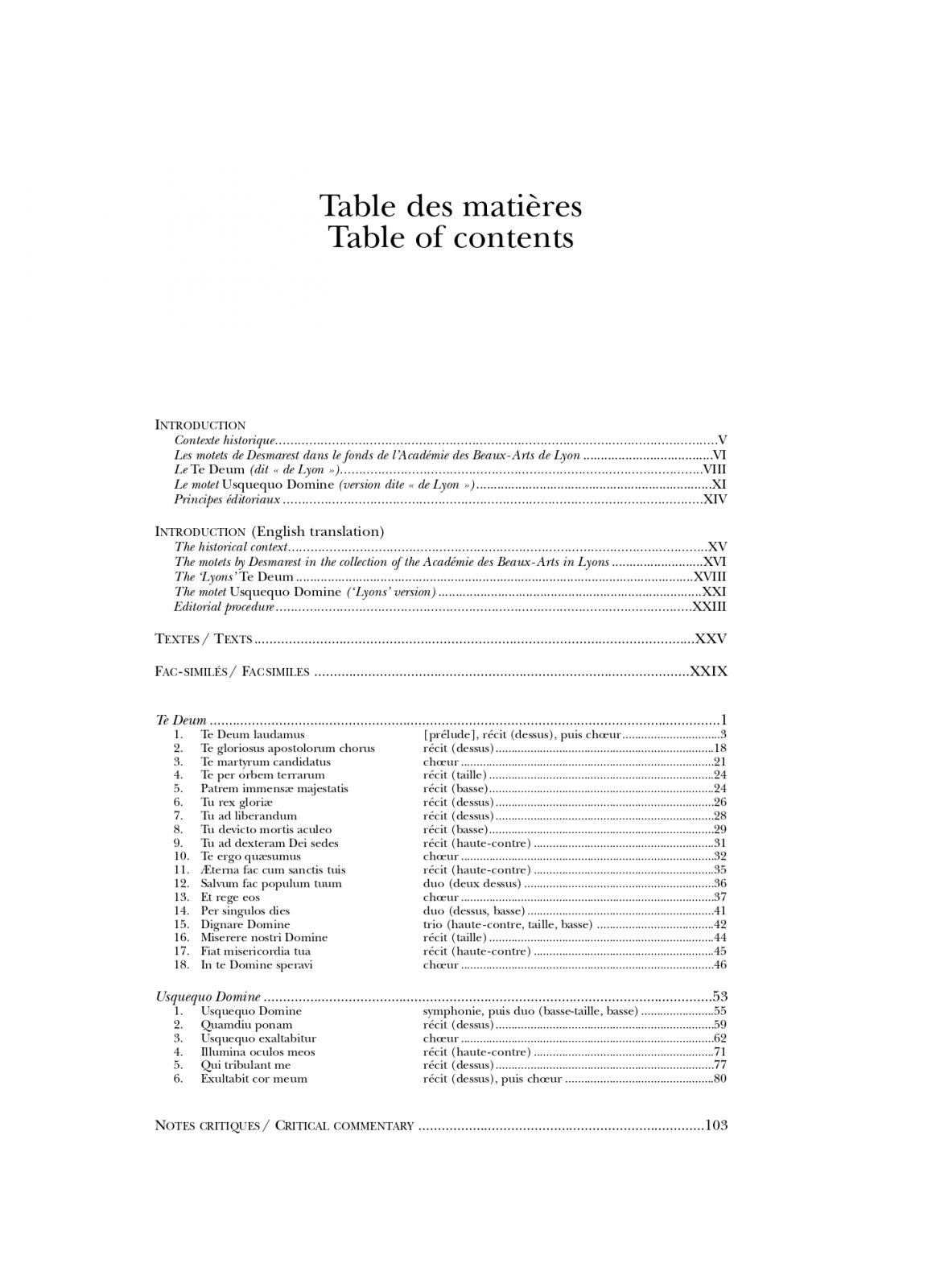
This Te Deum, known as the Lyon version as opposed to the Paris version, is relatively modest in scale. It features just 5 vocal soloists (2 dessus, haute-contre, taille and basse), a 4-part "French-style" choir (dessus (divided), hautes-contre, tailles and basses) and a 4-part "French-style" orchestra (including two viola parts) with oboes, flutes, bassoons and, of course, trumpets and timpani.
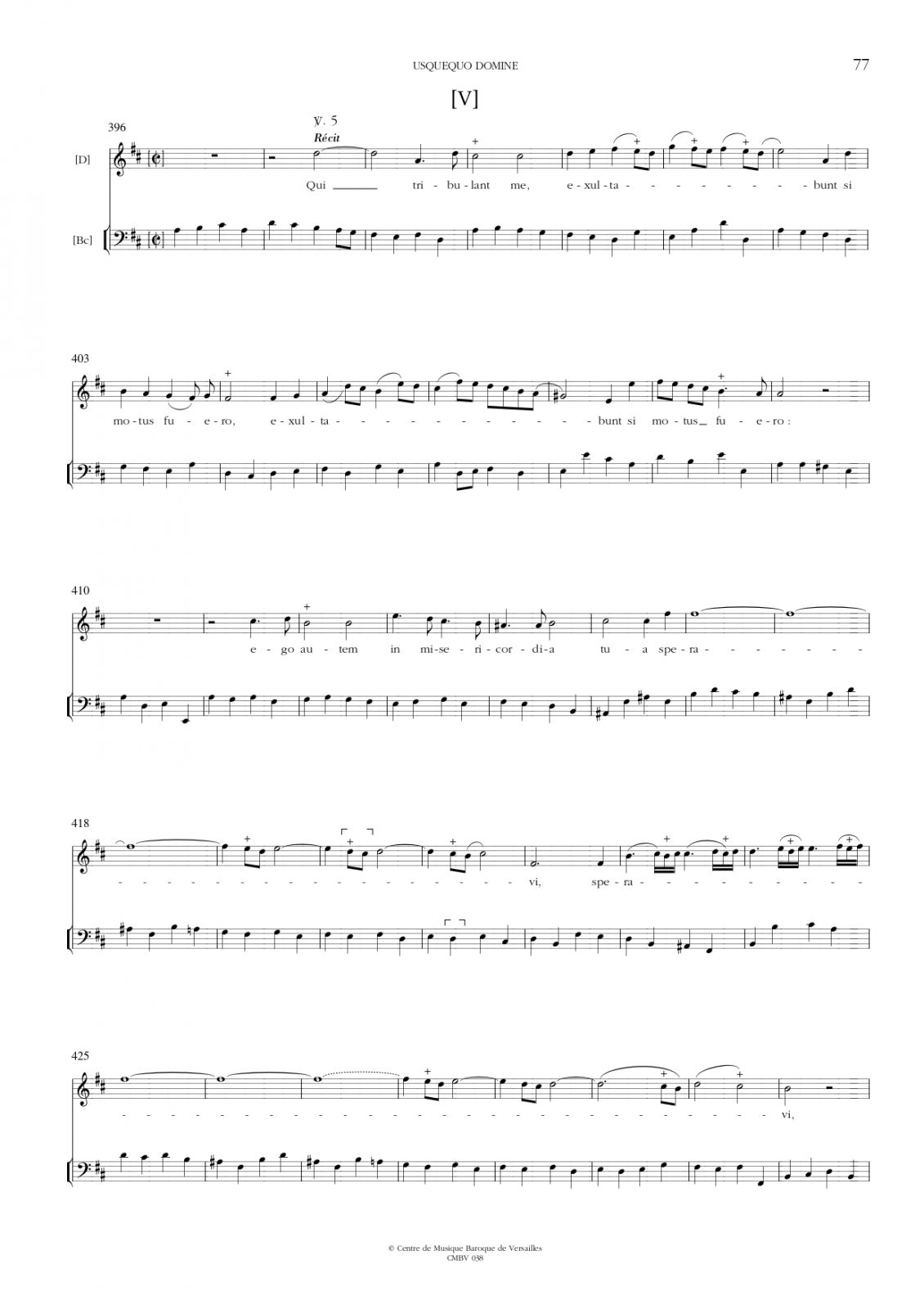
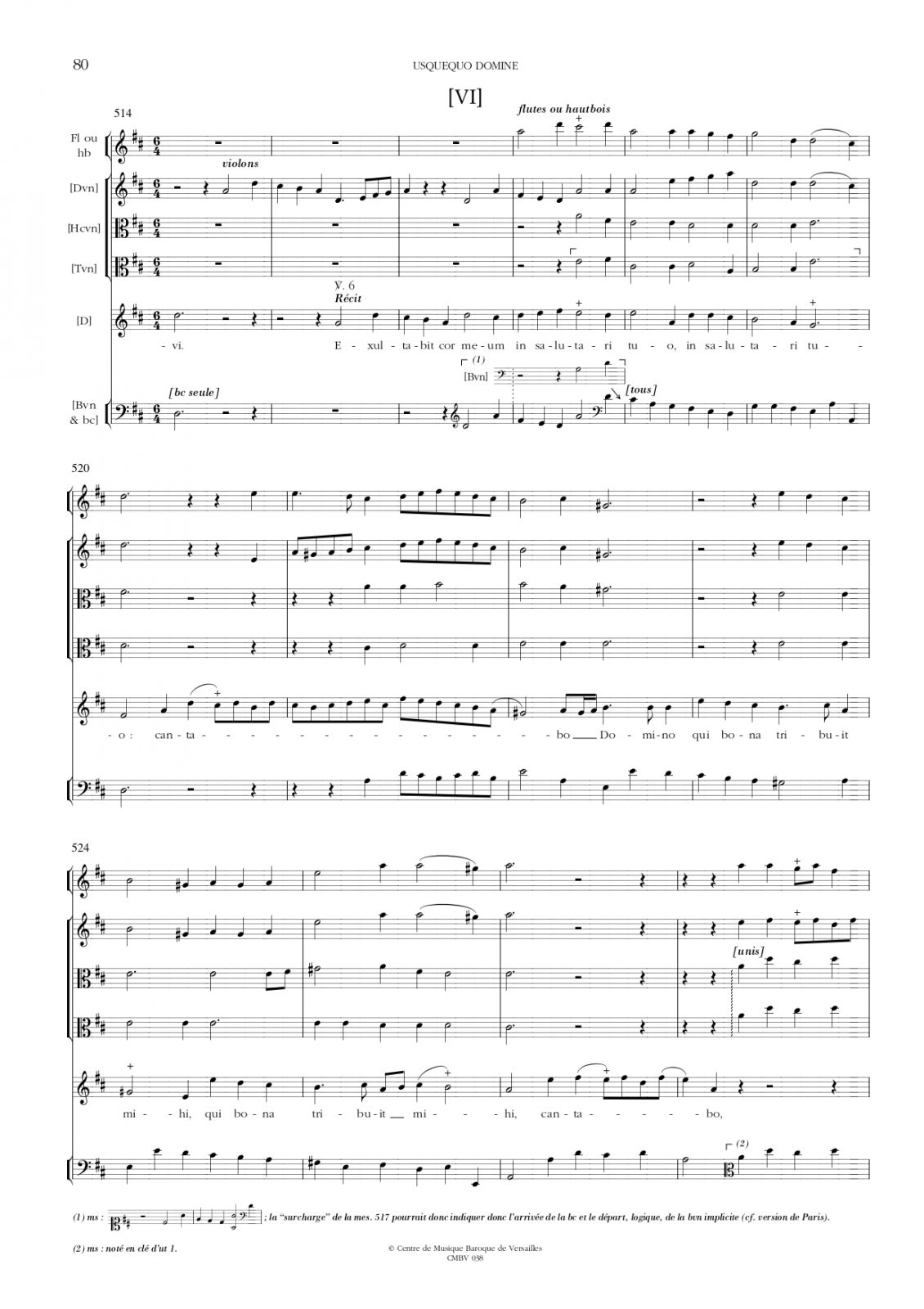
The Lyon version of Usquequo Domine is itself clearly an arrangement of Desmarest’s earlier so-called "Paris" Usquequo Domine. This slightly shorter version requires 4 vocal soloists (dessus, haute-contre, basse-taille and basse), a 5-voice choir (dessus (divided), hautes-contre, tailles, basse-taille and basses) and a 4-voice orchestra (dessus de violon, haute-contre de violon, taille de violon and basse de violon) with flutes (1 & 2) and a mention of "flutes or oboe", the only indication for the latter instrument.
Desmarest’s writing is subtle and often uses rather complex fugues, reserving the performance of these motets for experienced musicians.
This edition by Catherine Cessac, director of research at the CNRS and a specialist in Marc-Antoine Charpentier, is based on copies preserved in Lyon and belonging to the library of the Académie des Beaux-Arts. The editor goes back over the historical elements that provide valuable clues as to the possible dating, distribution and reception of these works, and has carried out a meticulous reconstruction of the prelude to the Te Deum.
Les œuvres
Recommandations


