

Œuvres Complètes
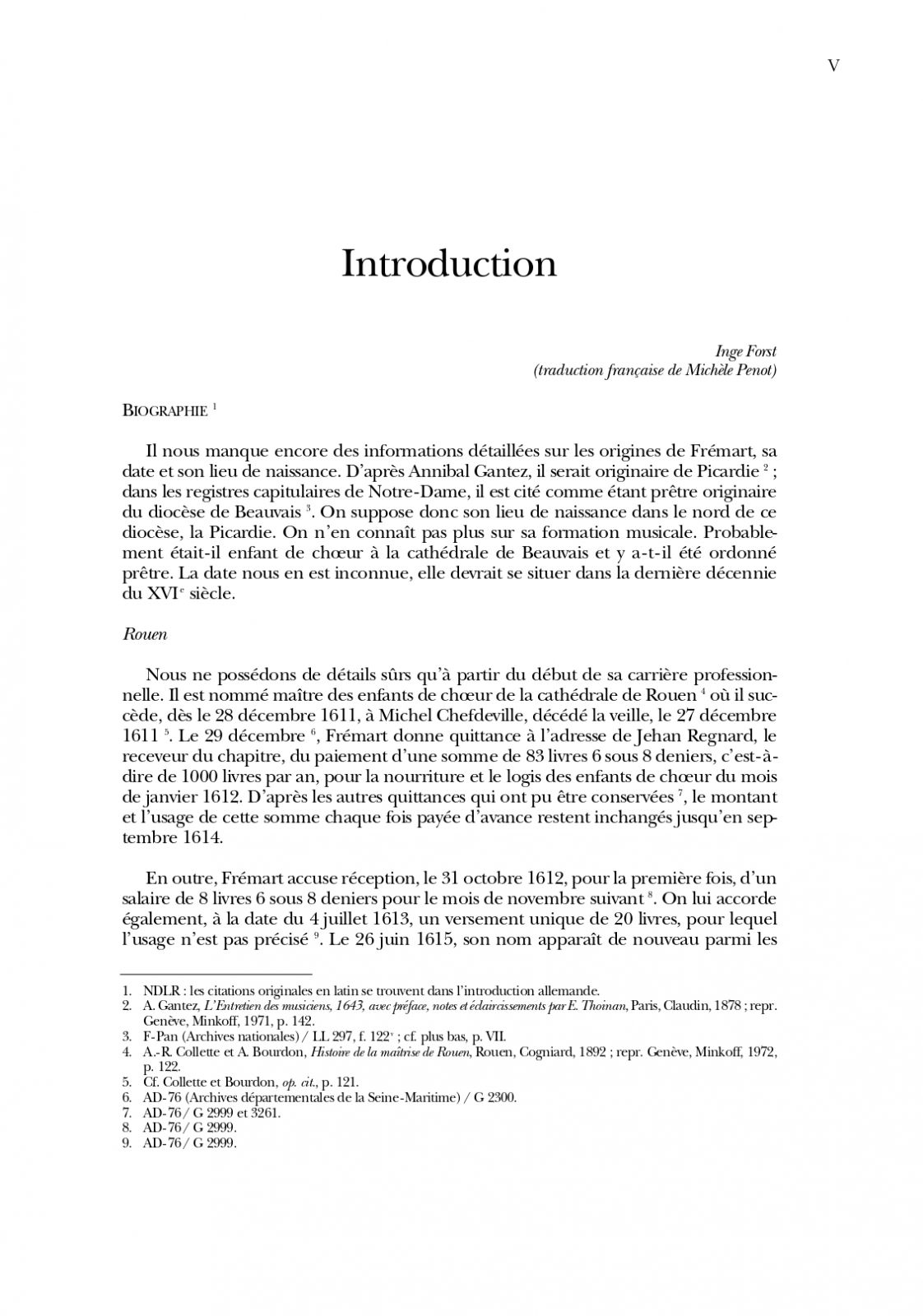
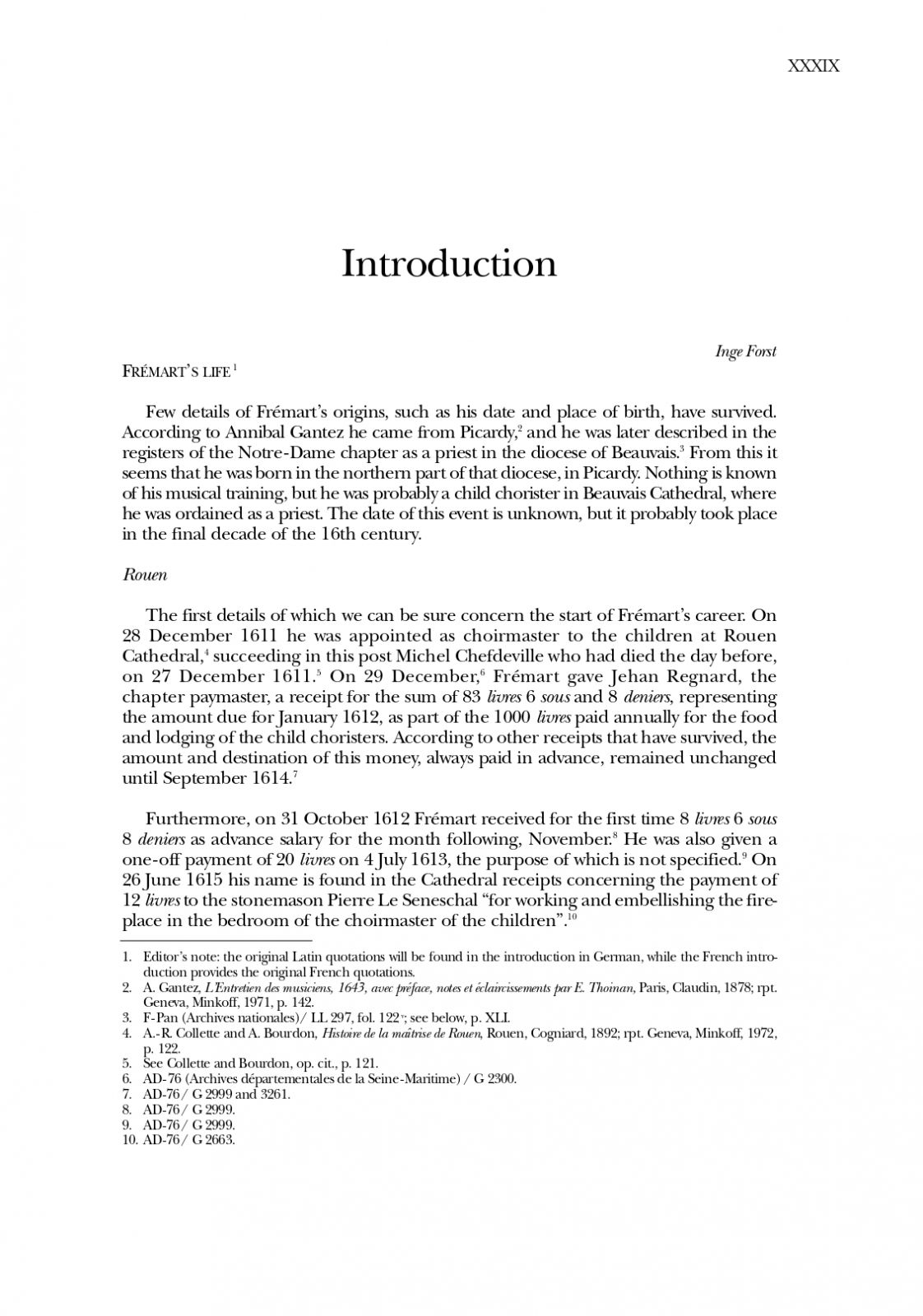
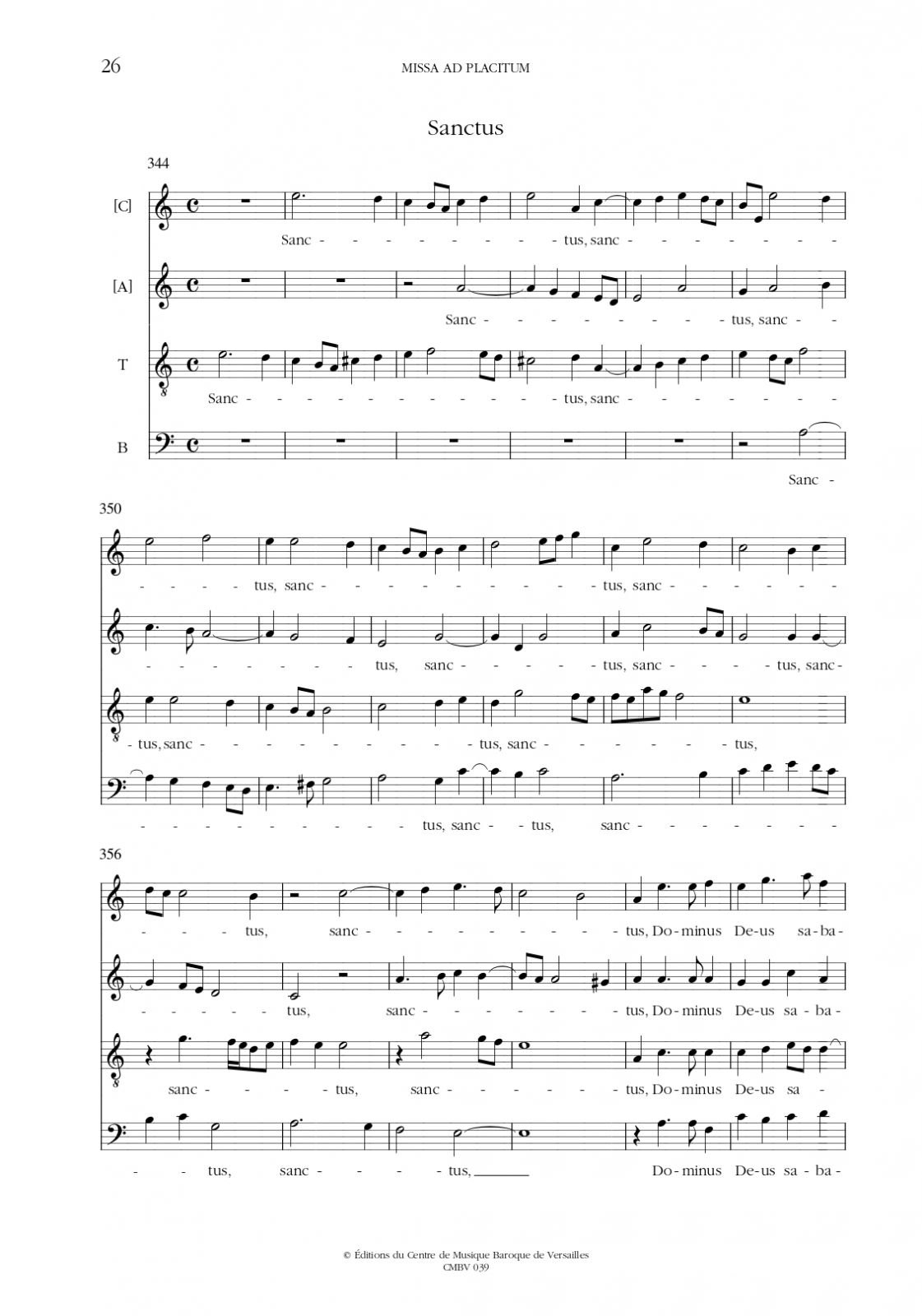
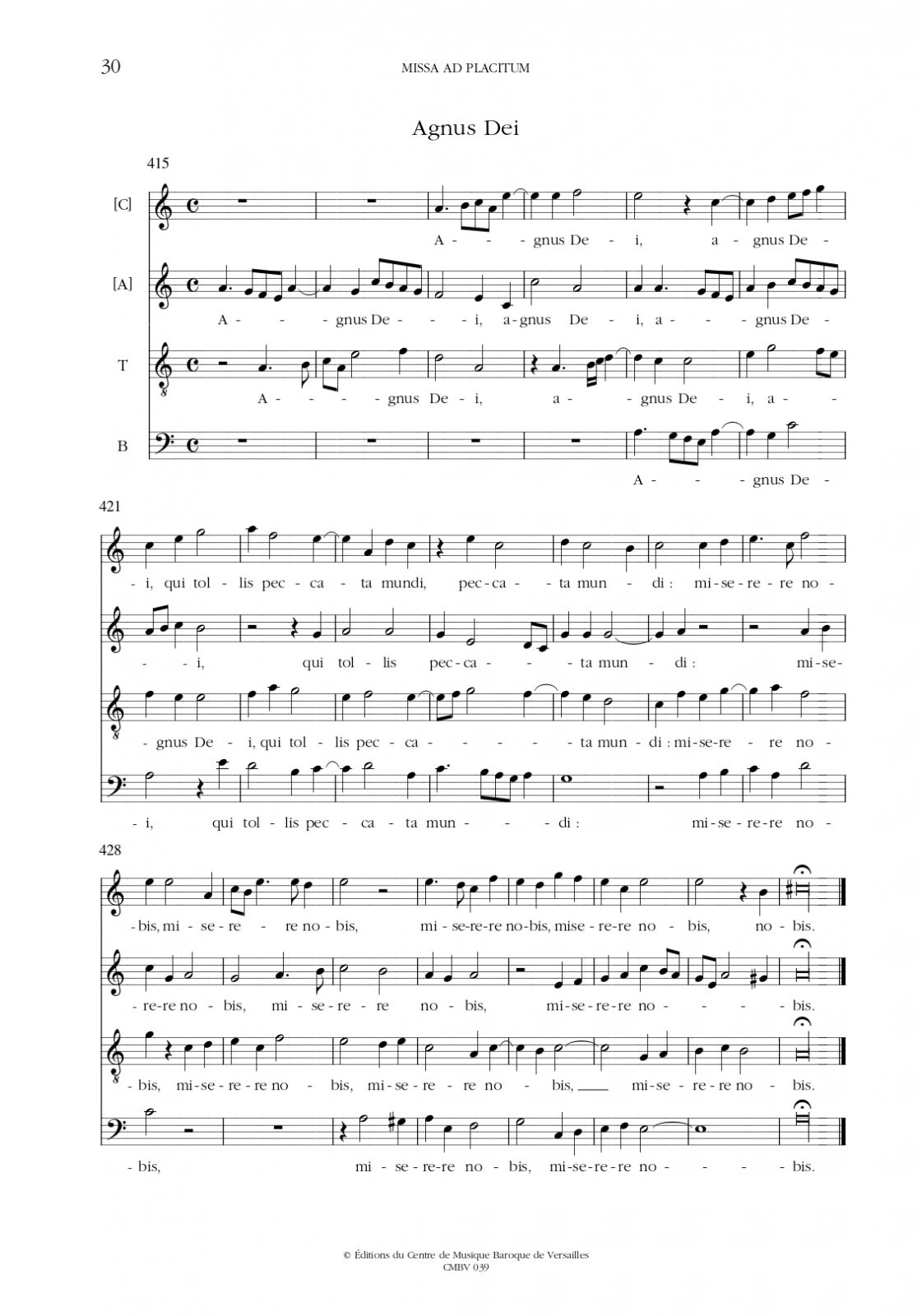

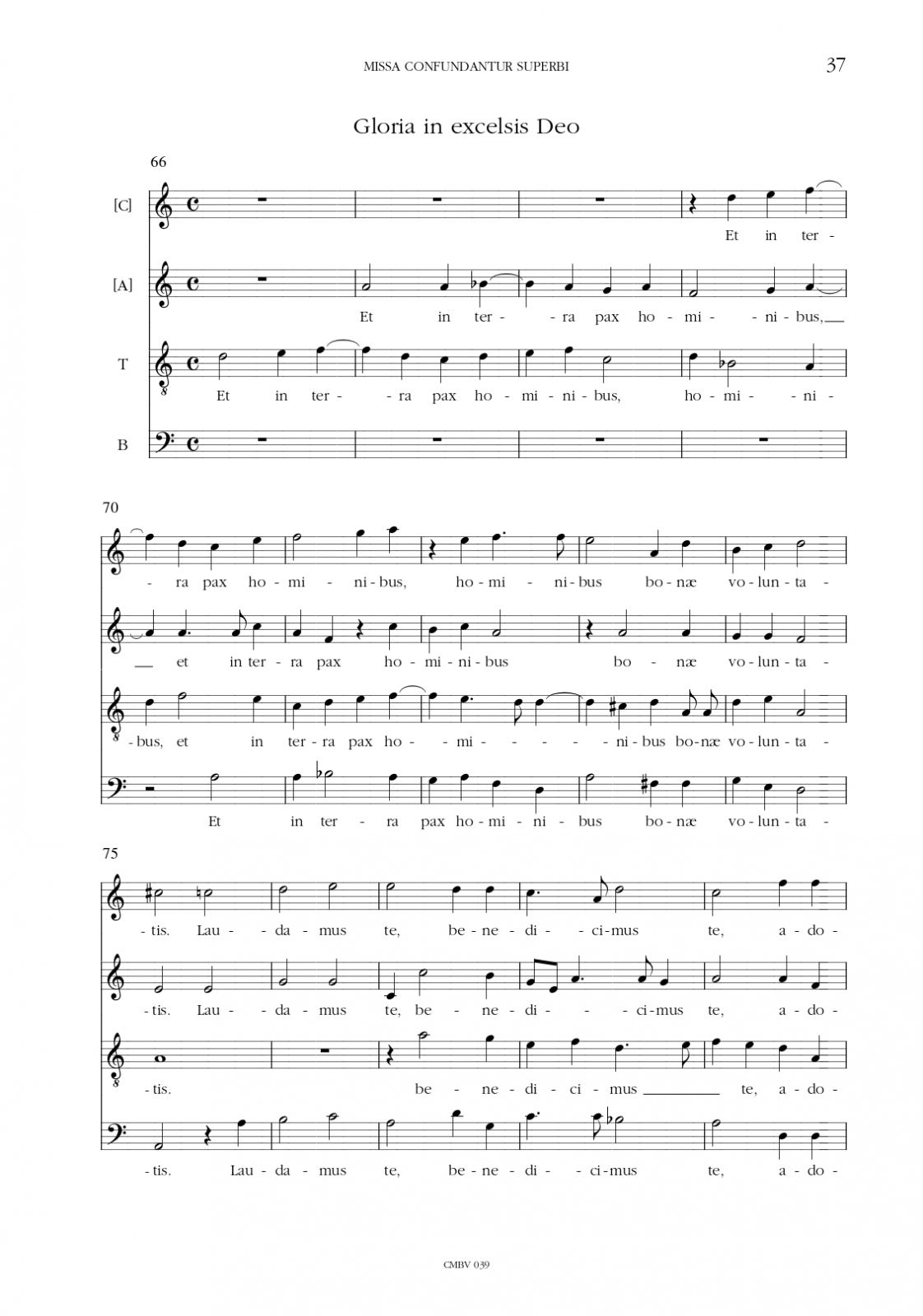
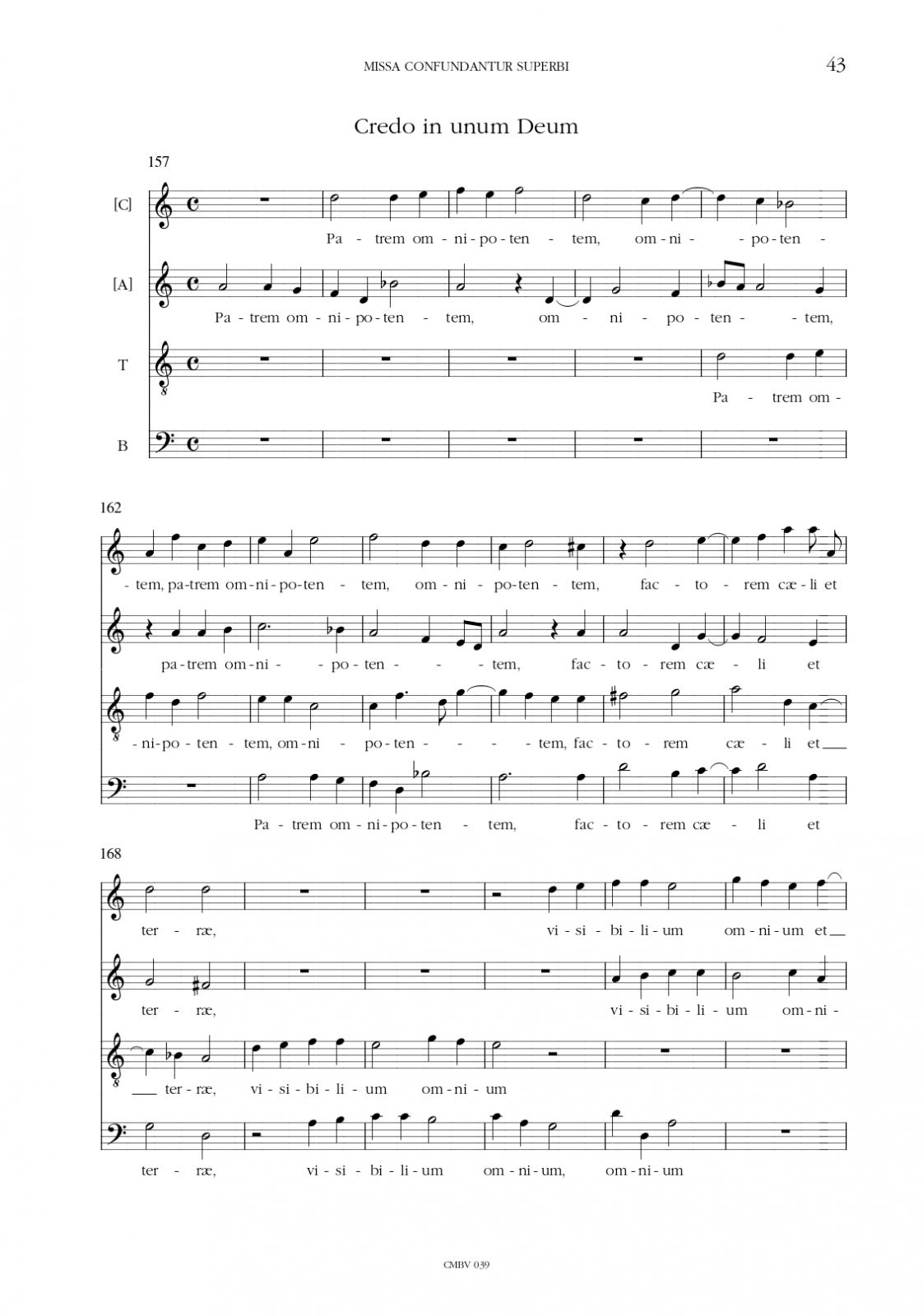
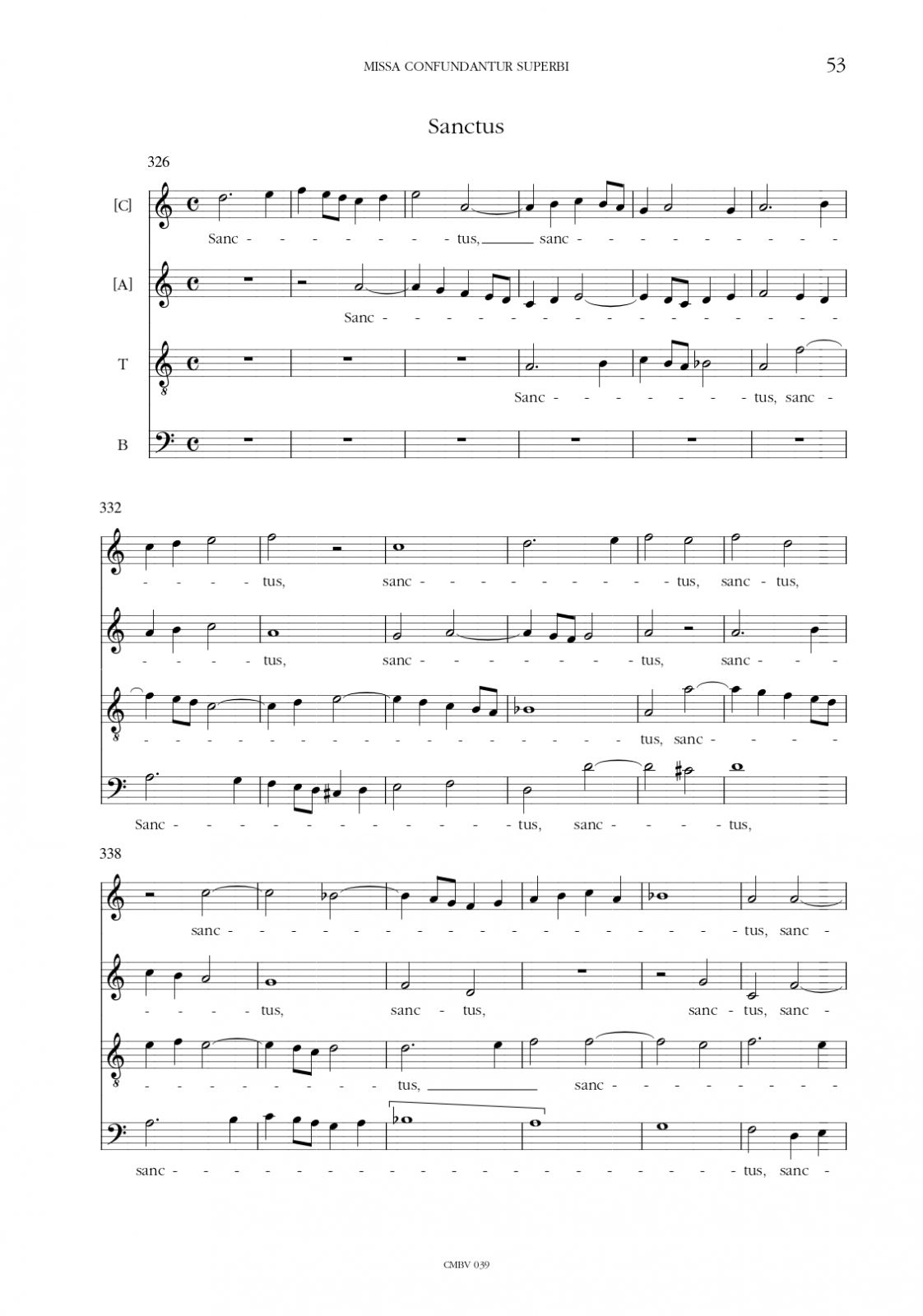
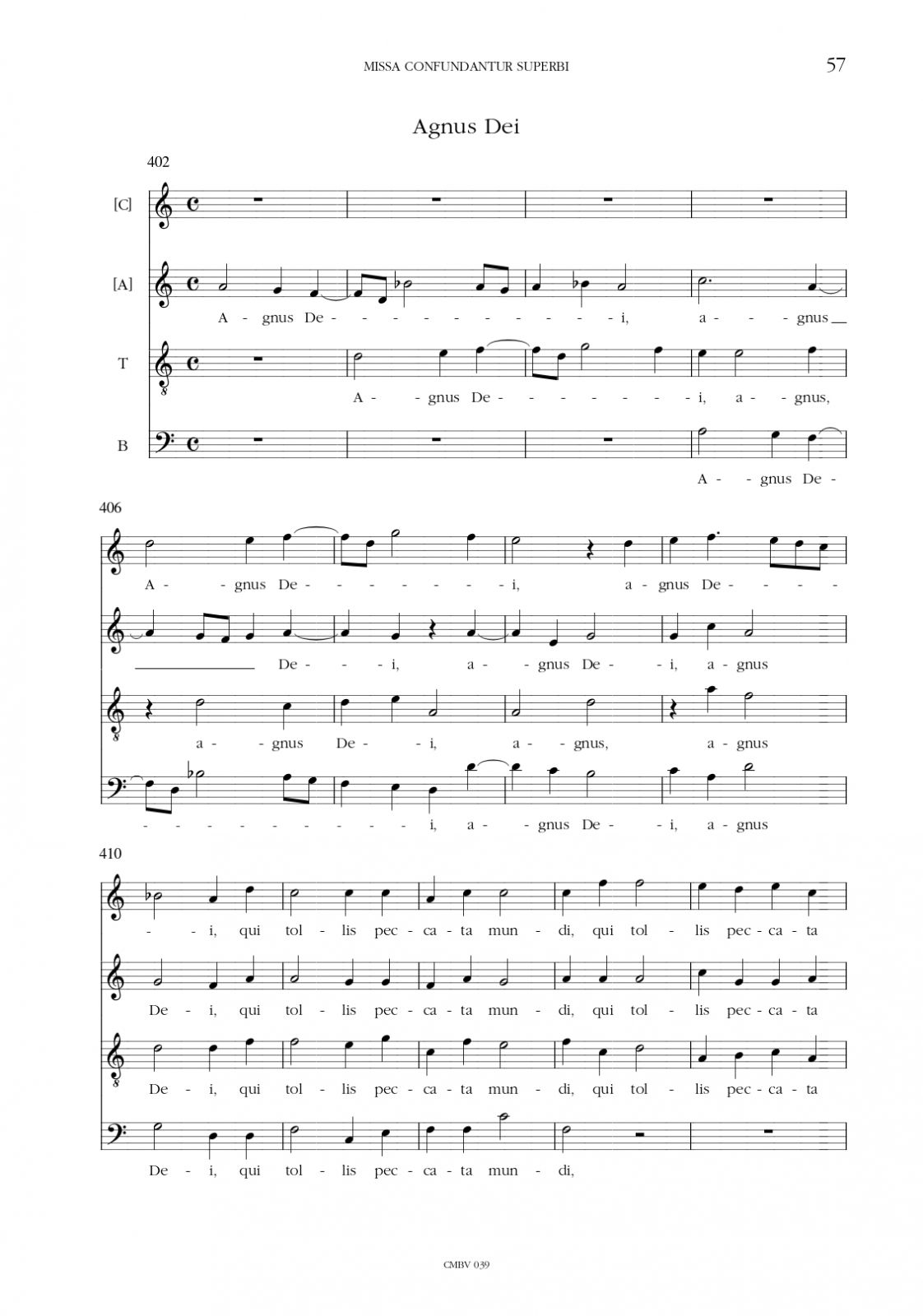
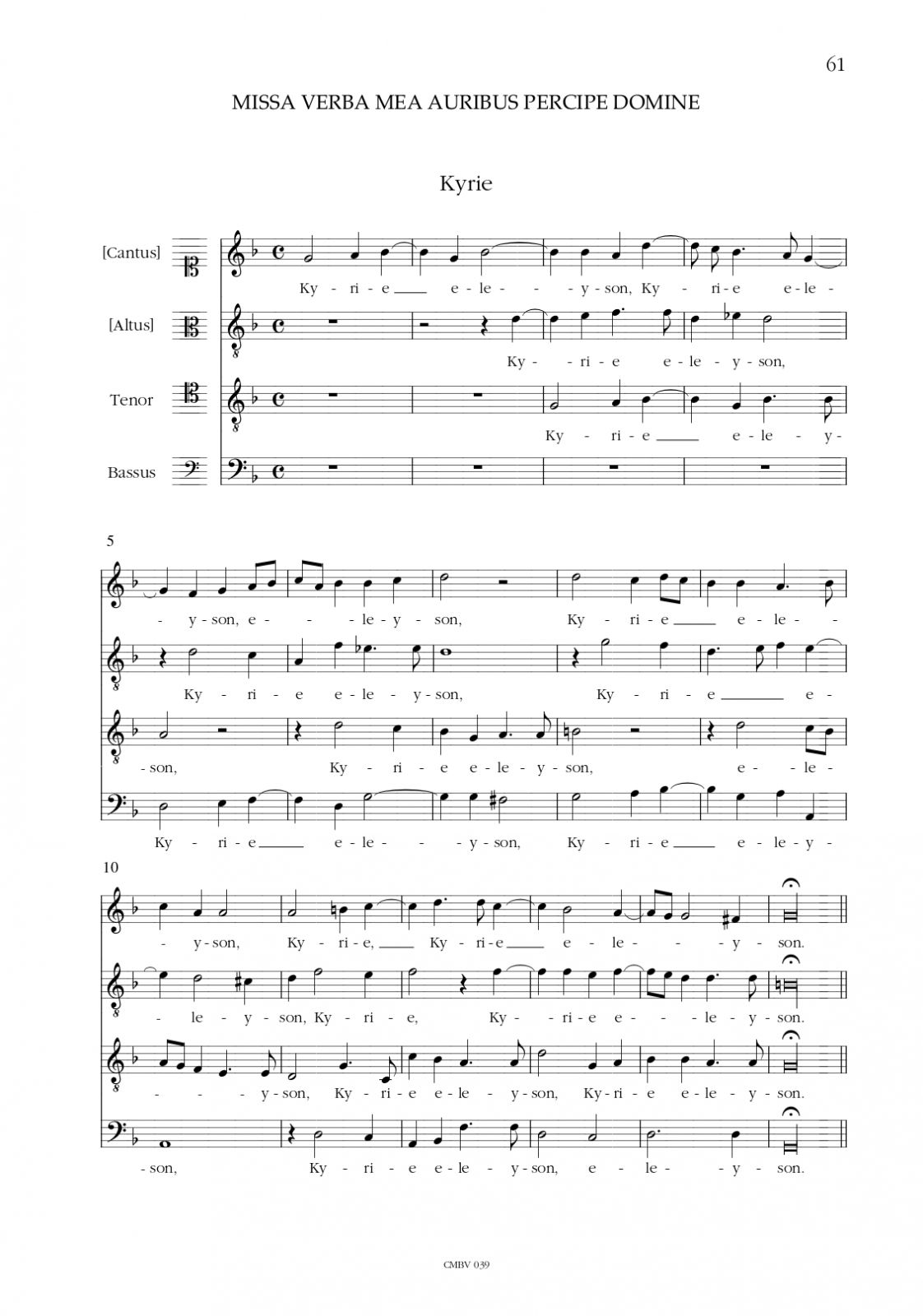
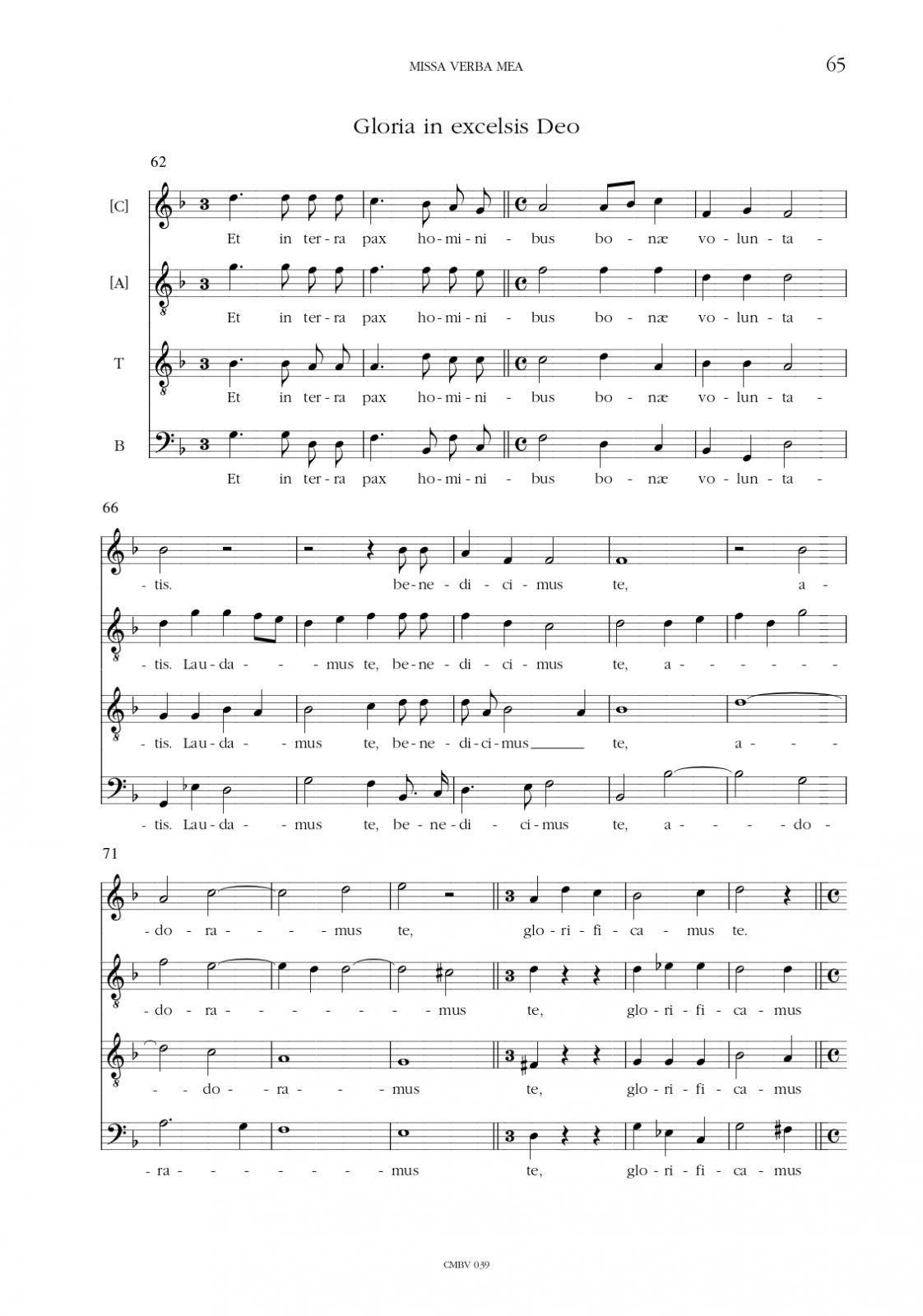



Henri Frémart (late 16th century–1651), priest and composer, probably originally from the diocese of Beauvais in Picardy, is first heard of in 1611 at Rouen Cathedral. Appointed maître des enfants de chœur at the same cathedral on 28 December 1611, he was commissioned in 1623 to take delivery of an organ for Amiens cathedral, in the company of Jean Titelouze and Jean de Bournonville. In 1624, he took part in the jury of one of the kingdom’s most renowned music competitions: the Puy de Sainte Cécile in Rouen. The same year, he obtained the prestigious position of maître de chapelle at Notre-Dame Cathedral in Paris. In this position, he composed the music, unfortunately lost, for the solemn procession for the birth of the Dauphin, the future Louis XIV.
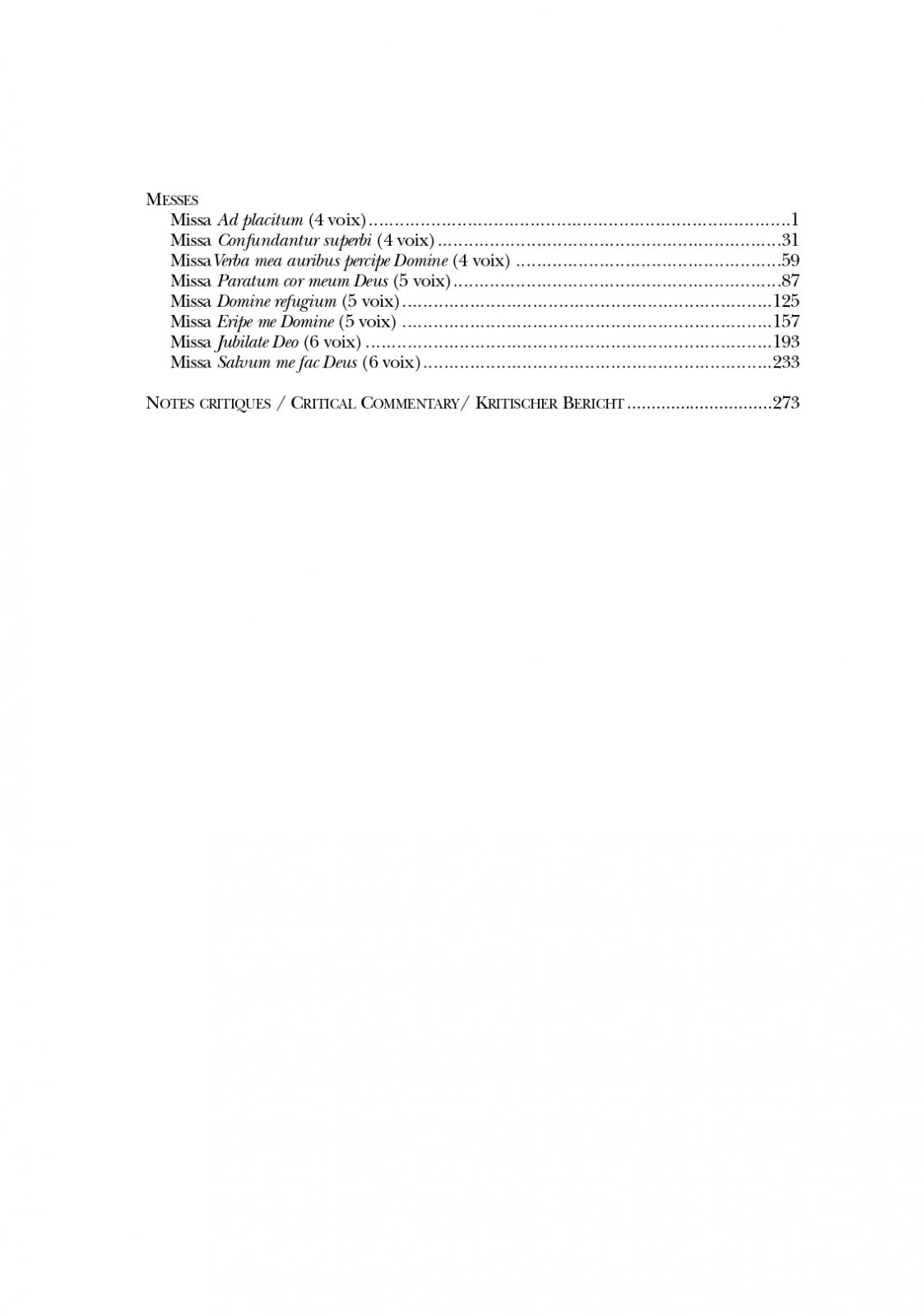
In 1640, he led the capital’s prestigious choir school for 15 years. He asked for a leave of absence. He was replaced by Jean Veillot. It was then that he published the 8 masses for 4, 5 or 6 voices, the only surviving vestige of his work, which we can only imagine was considerable. A friend of Marin Mersenne, he was considered a staunch defender of the old style in the face of Nicolas Formé, Antoine Boesset and Étienne Moulinié.
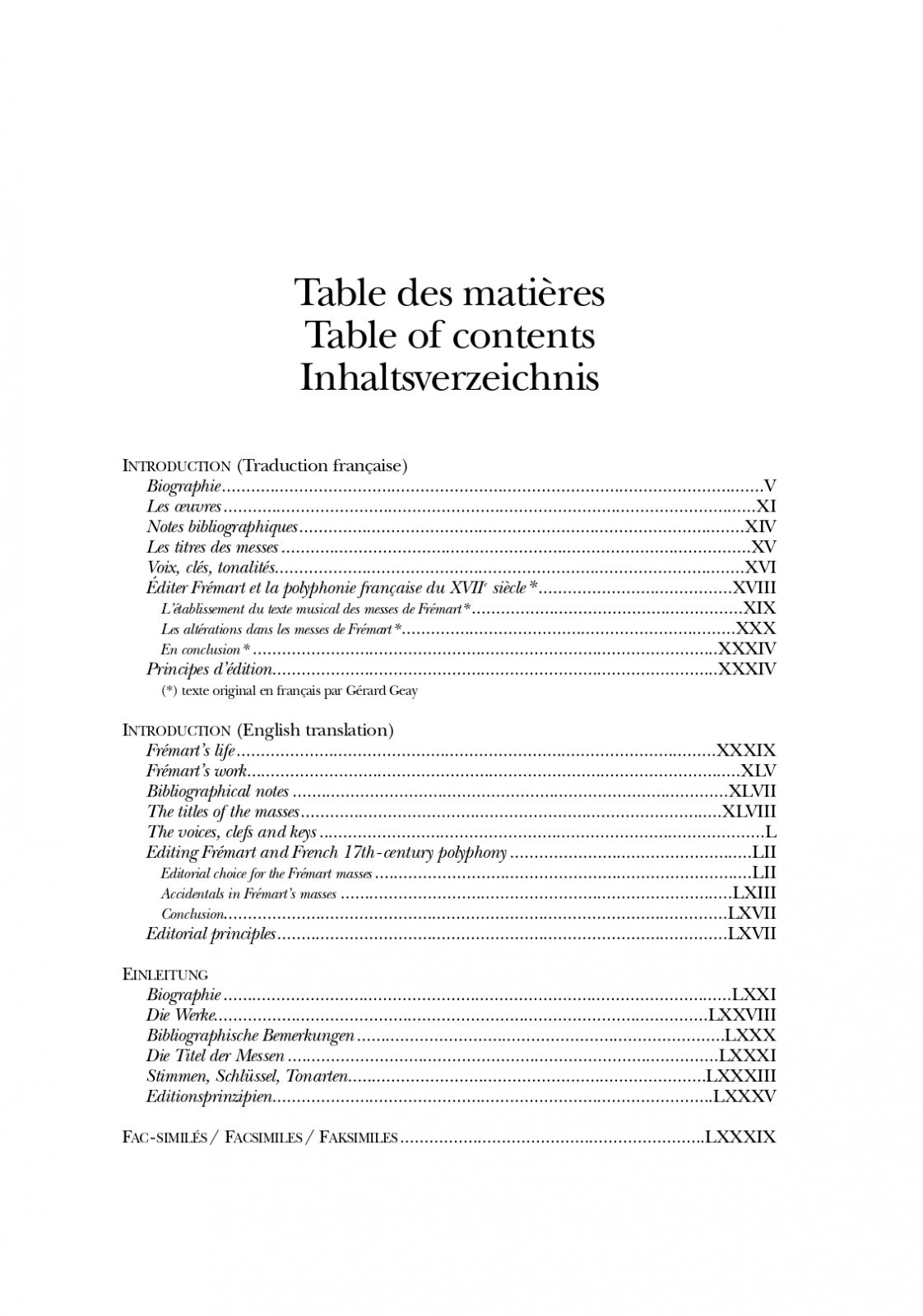
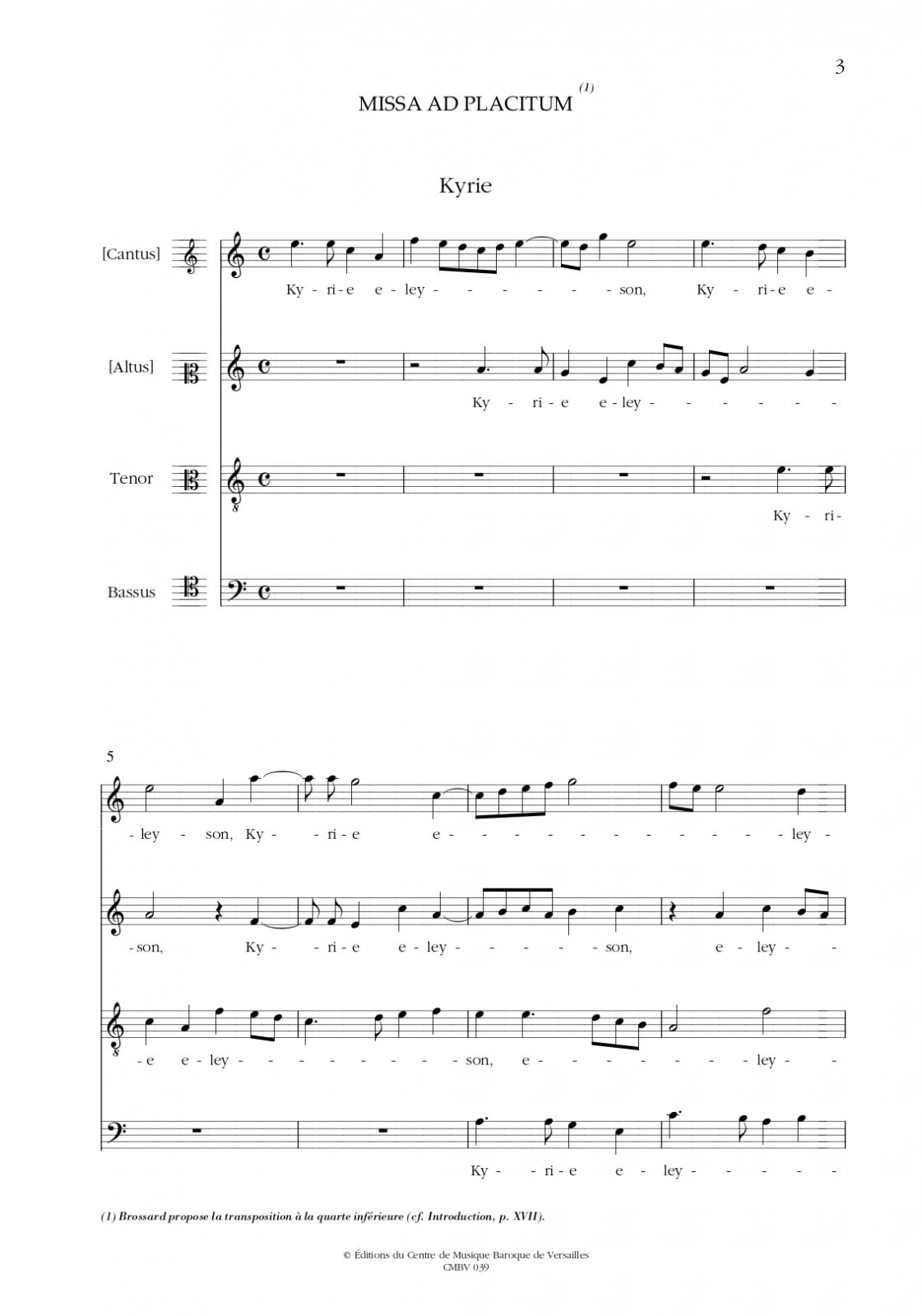
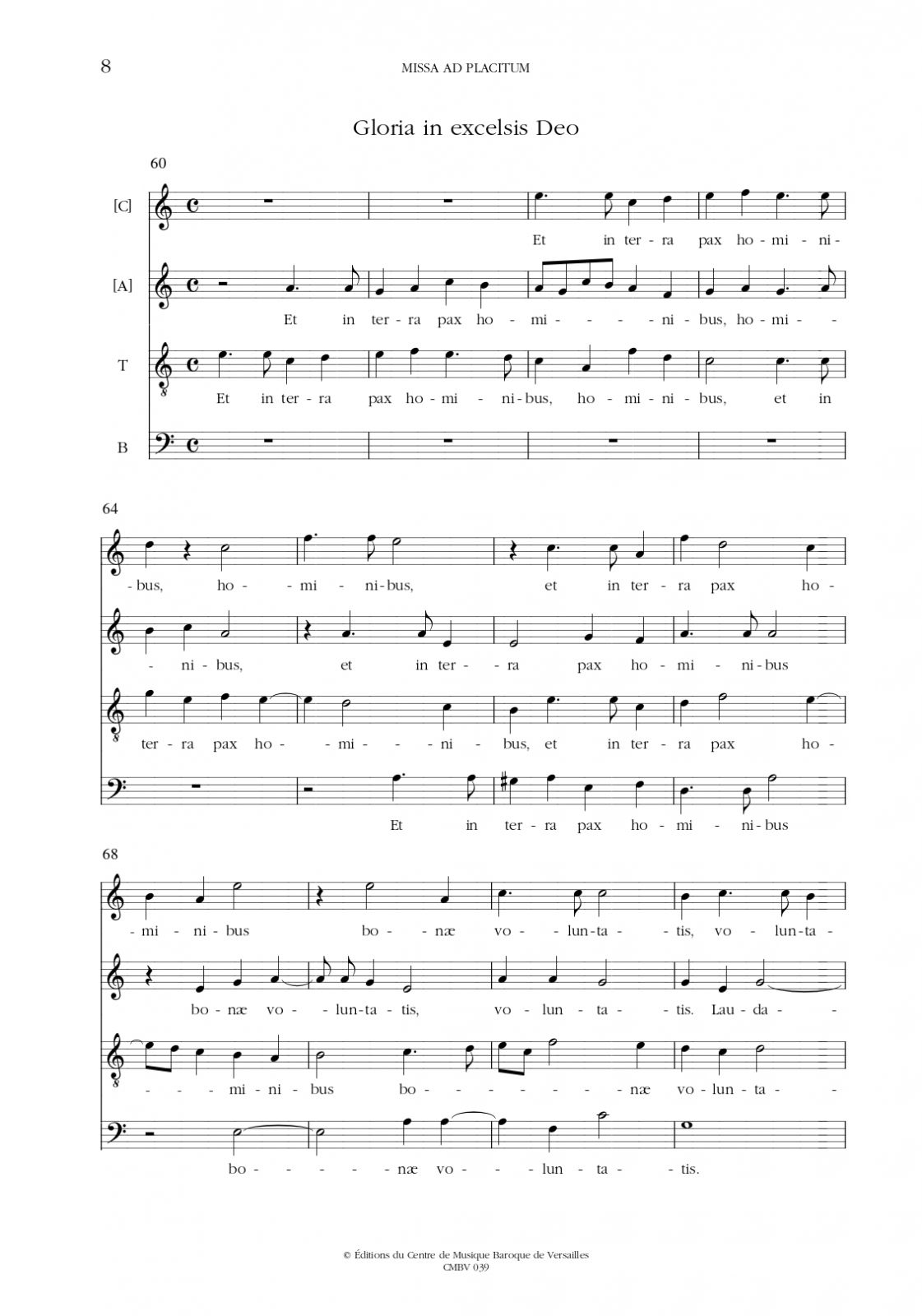
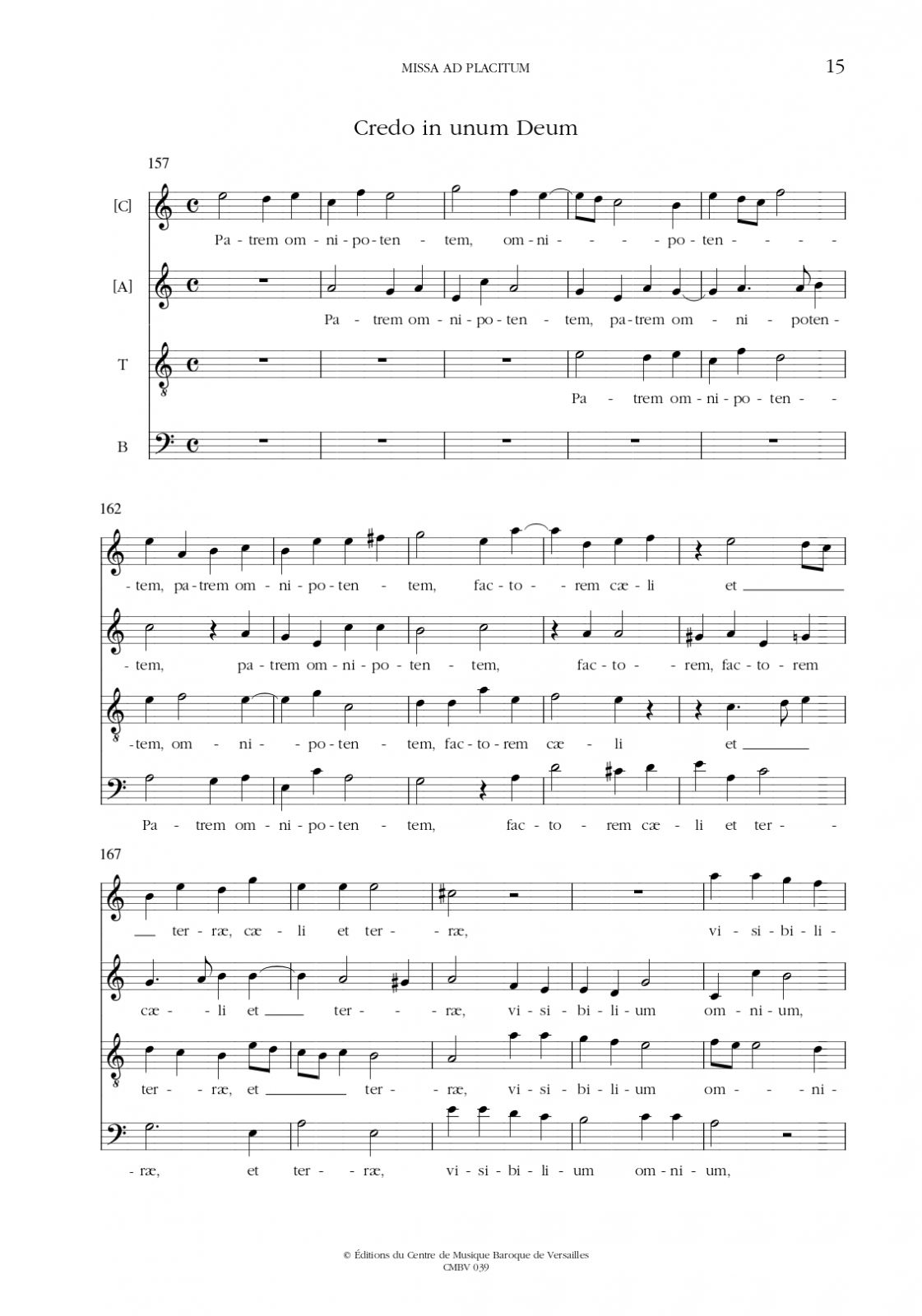
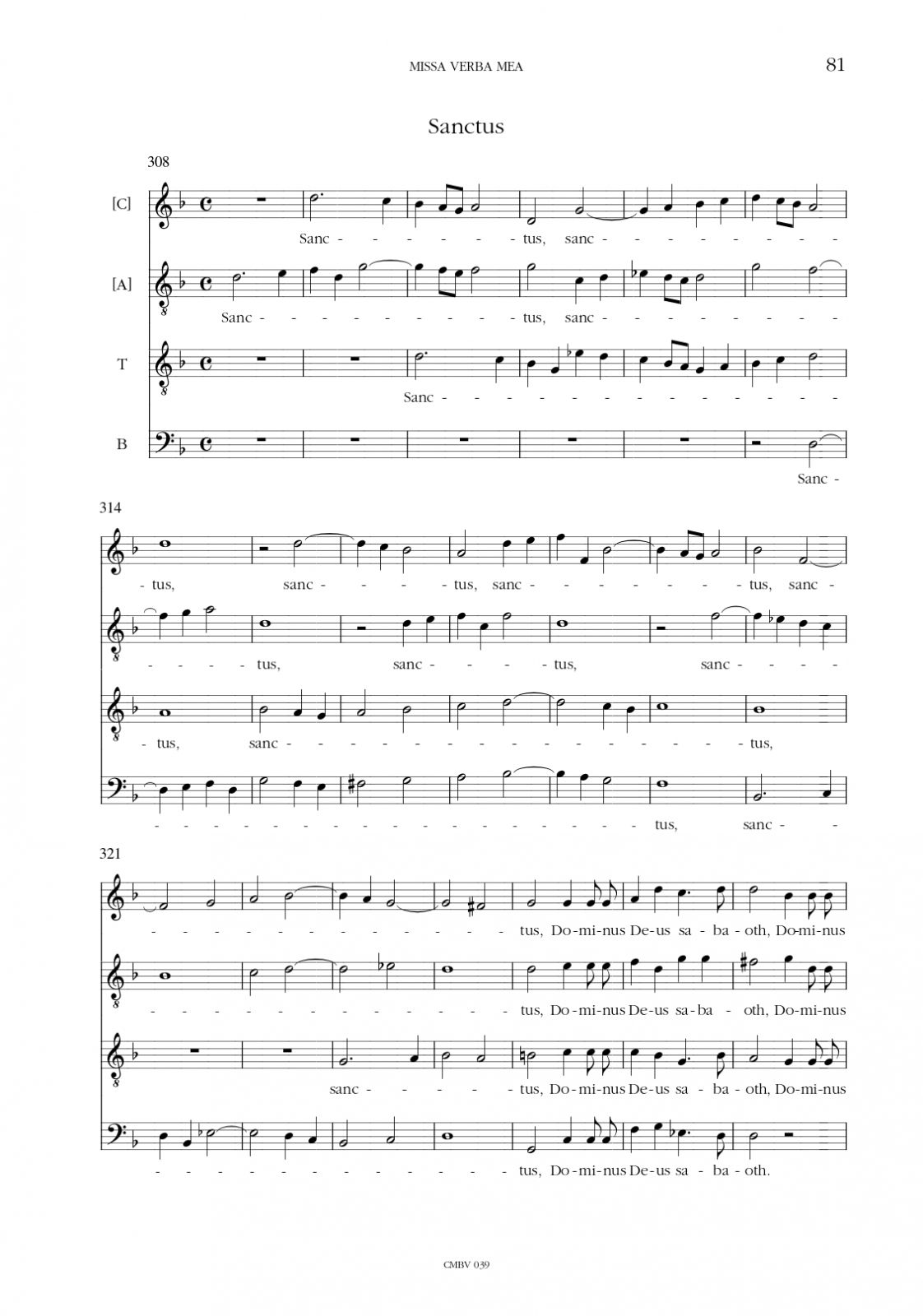
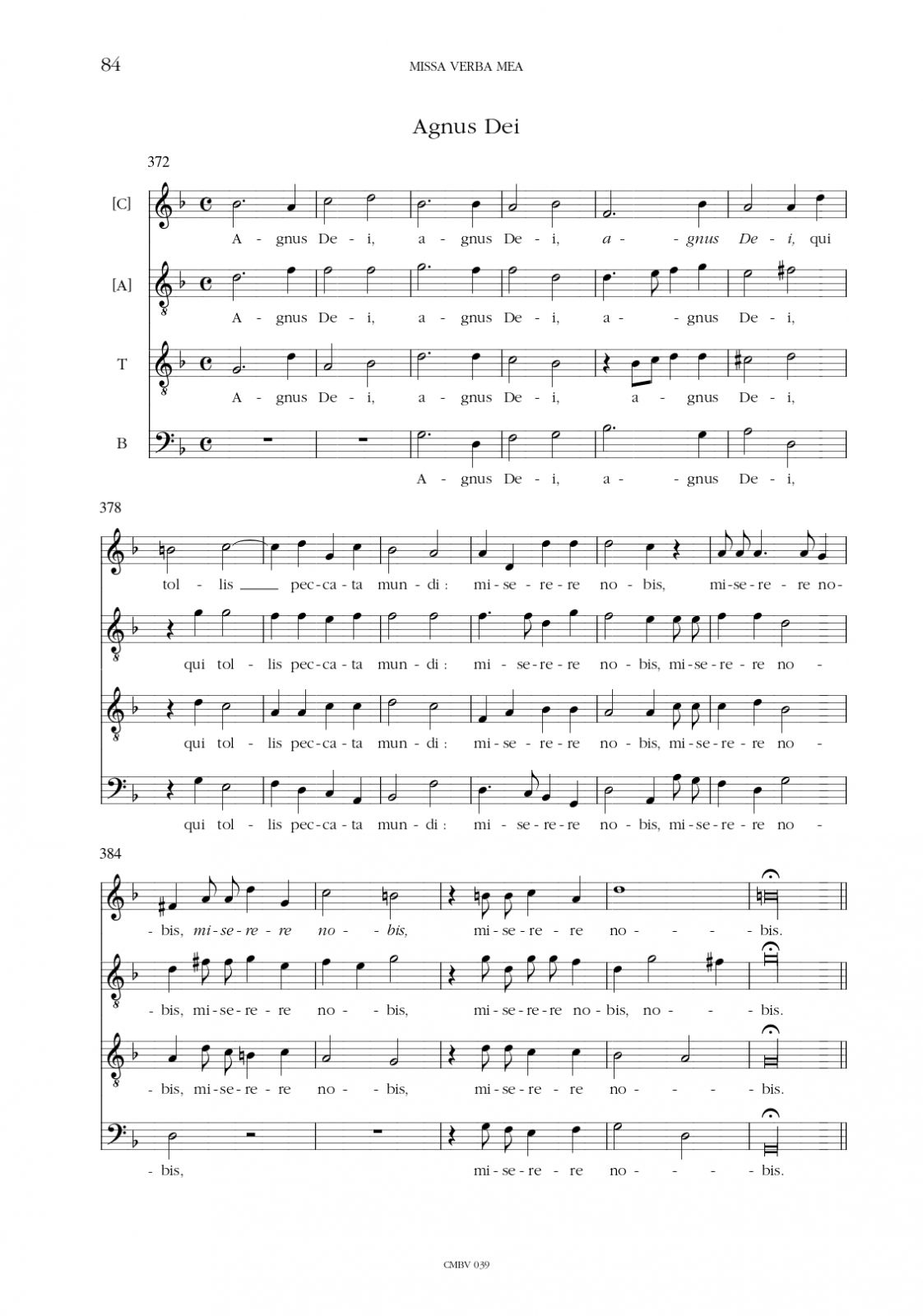
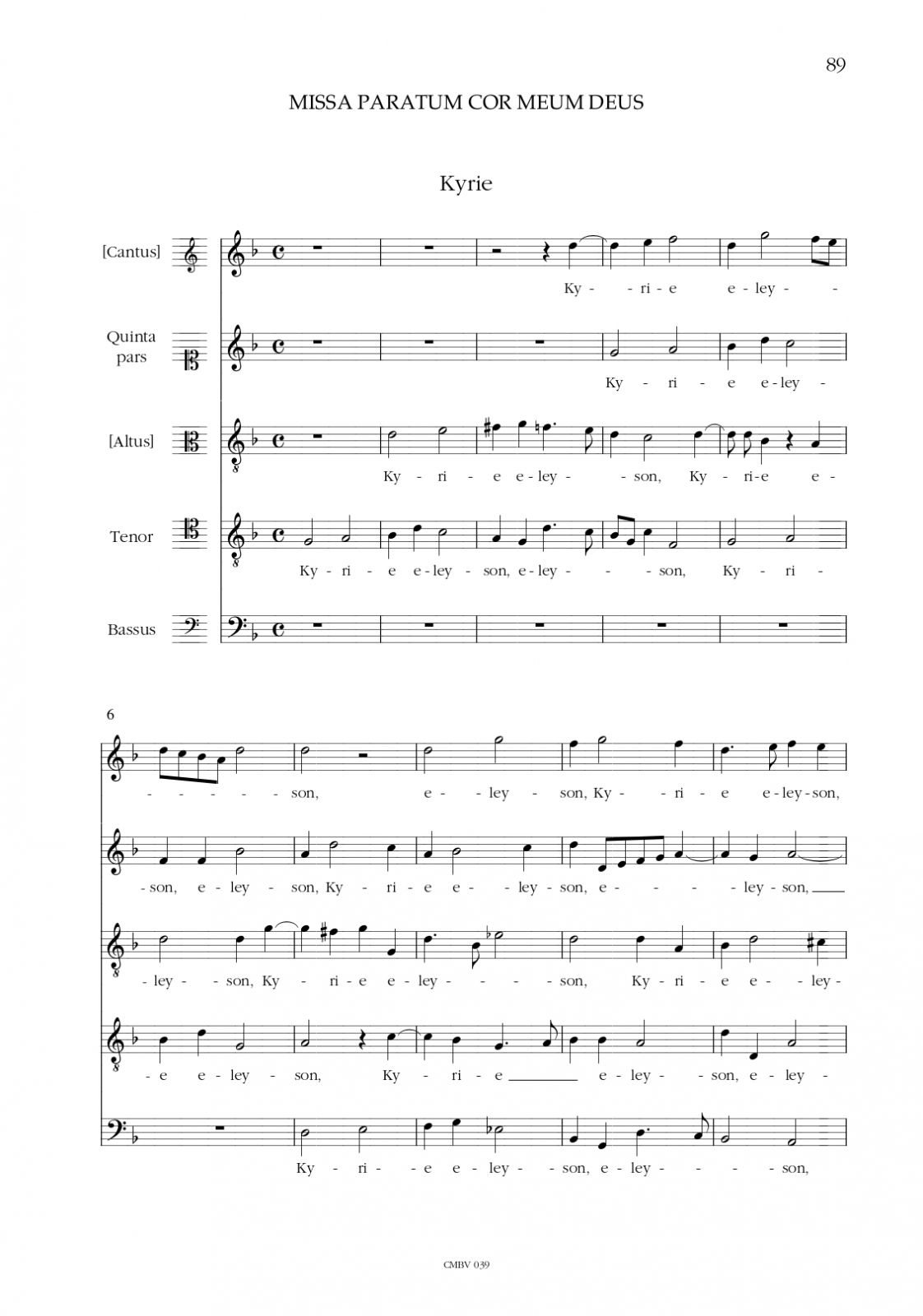
The 8 masses in this volume, edited by Inge Forst, are touching works for forces ranging from 4 to 6 a cappella voices. Ranging from an archaic style, derived from the purest liturgical tradition and reusing plainchant motifs, to great melodic freedom, this music presents choirs with the elegance of the 17th century at the end of the reign of Louis XIII, belonging as it does to the prestigious repertoire of Notre Dame Cathedral in Paris. The trilingual preface (French/English/German) provides a detailed biographical sketch of the author. It is enriched by an article by Gérard Geay on 17th-century music theory, little studied until now.


