

Œuvres Complètes
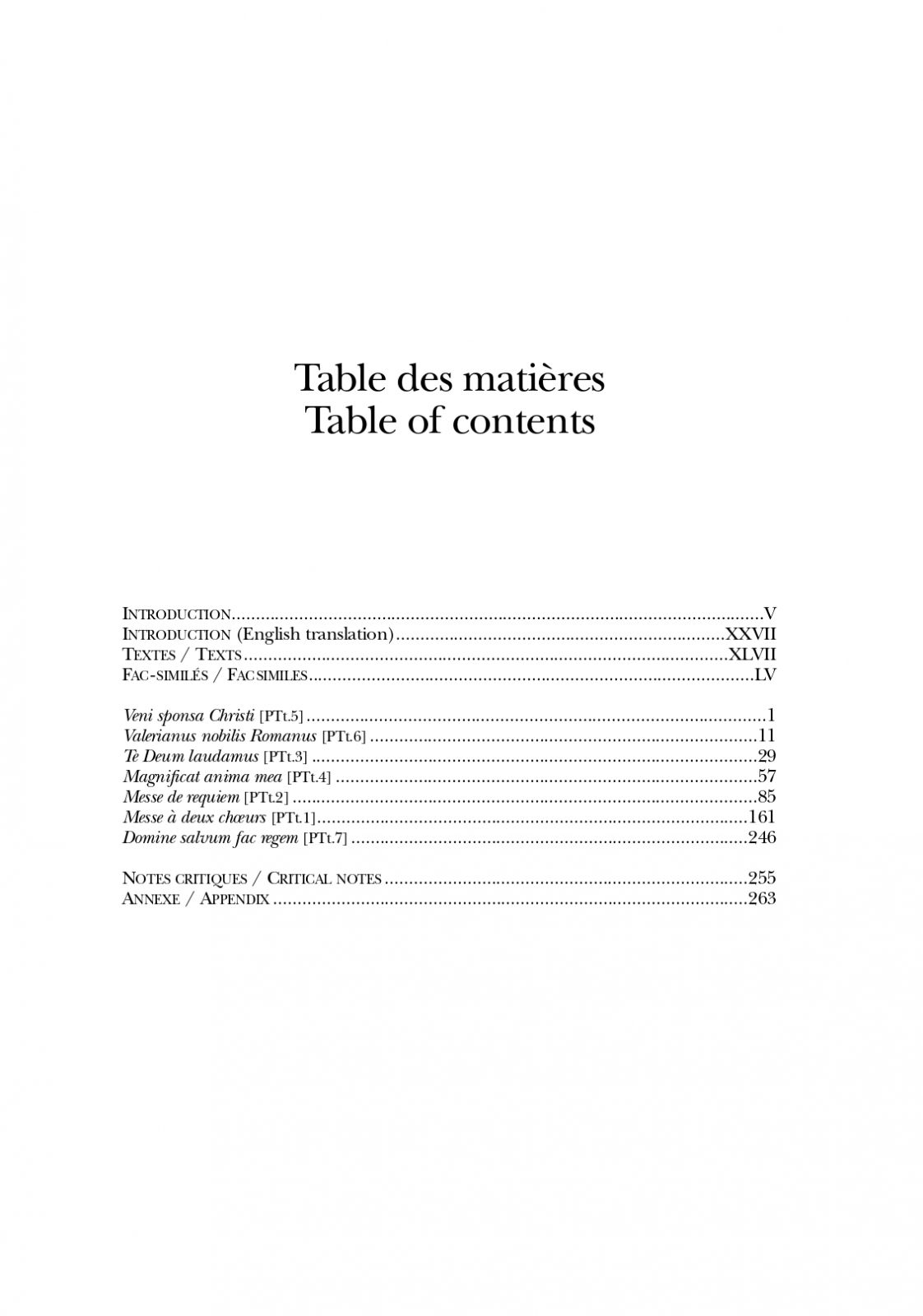
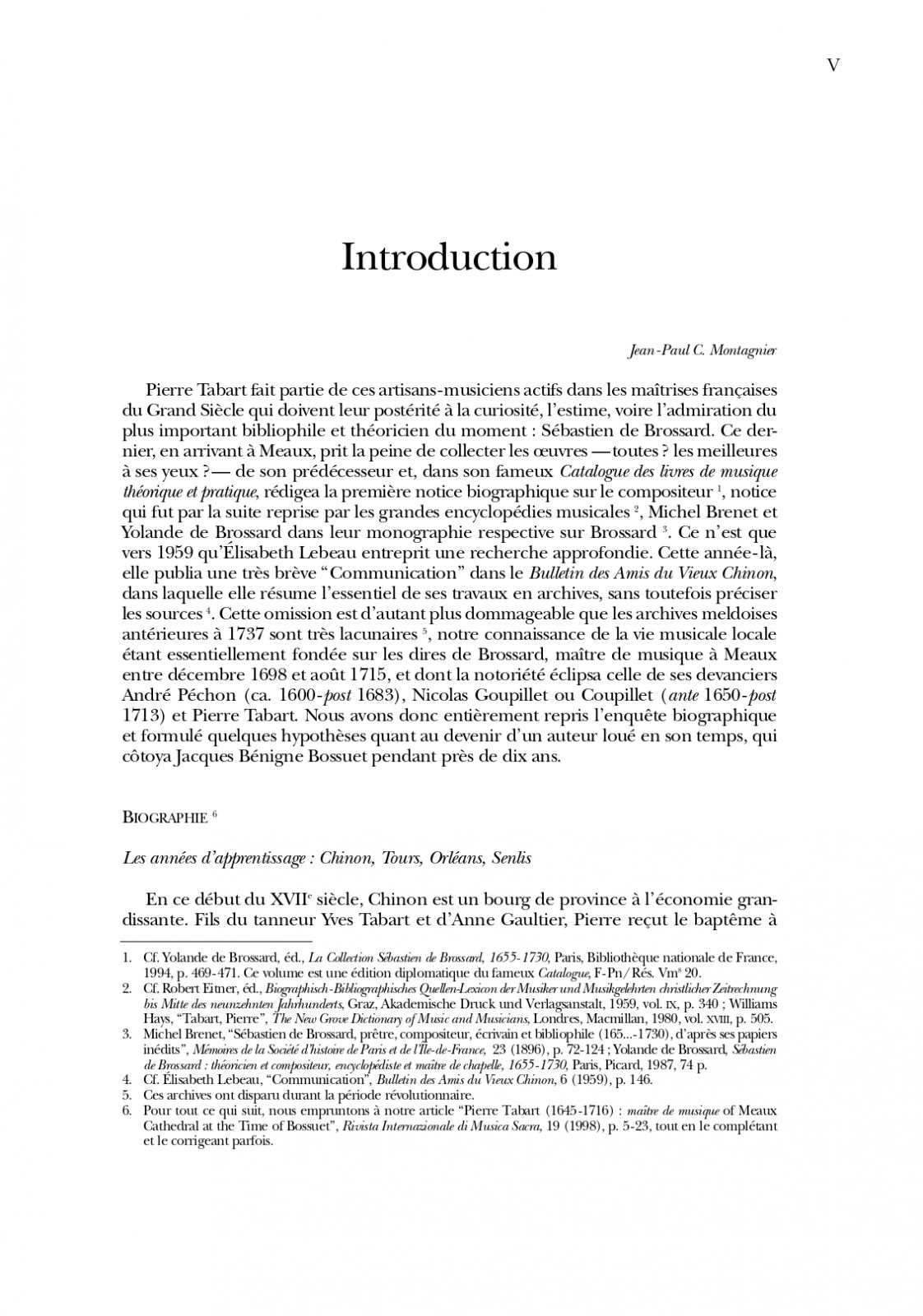
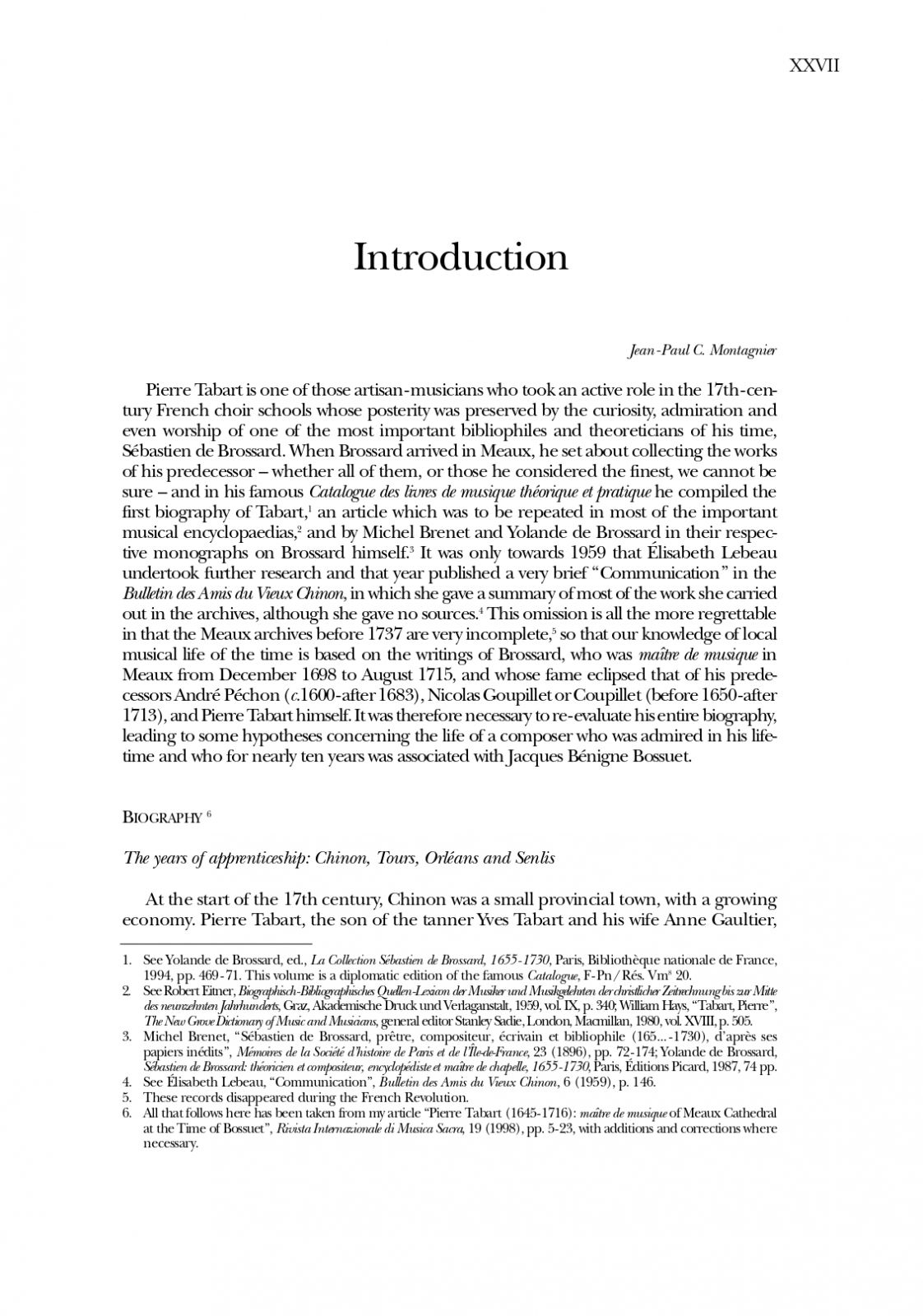
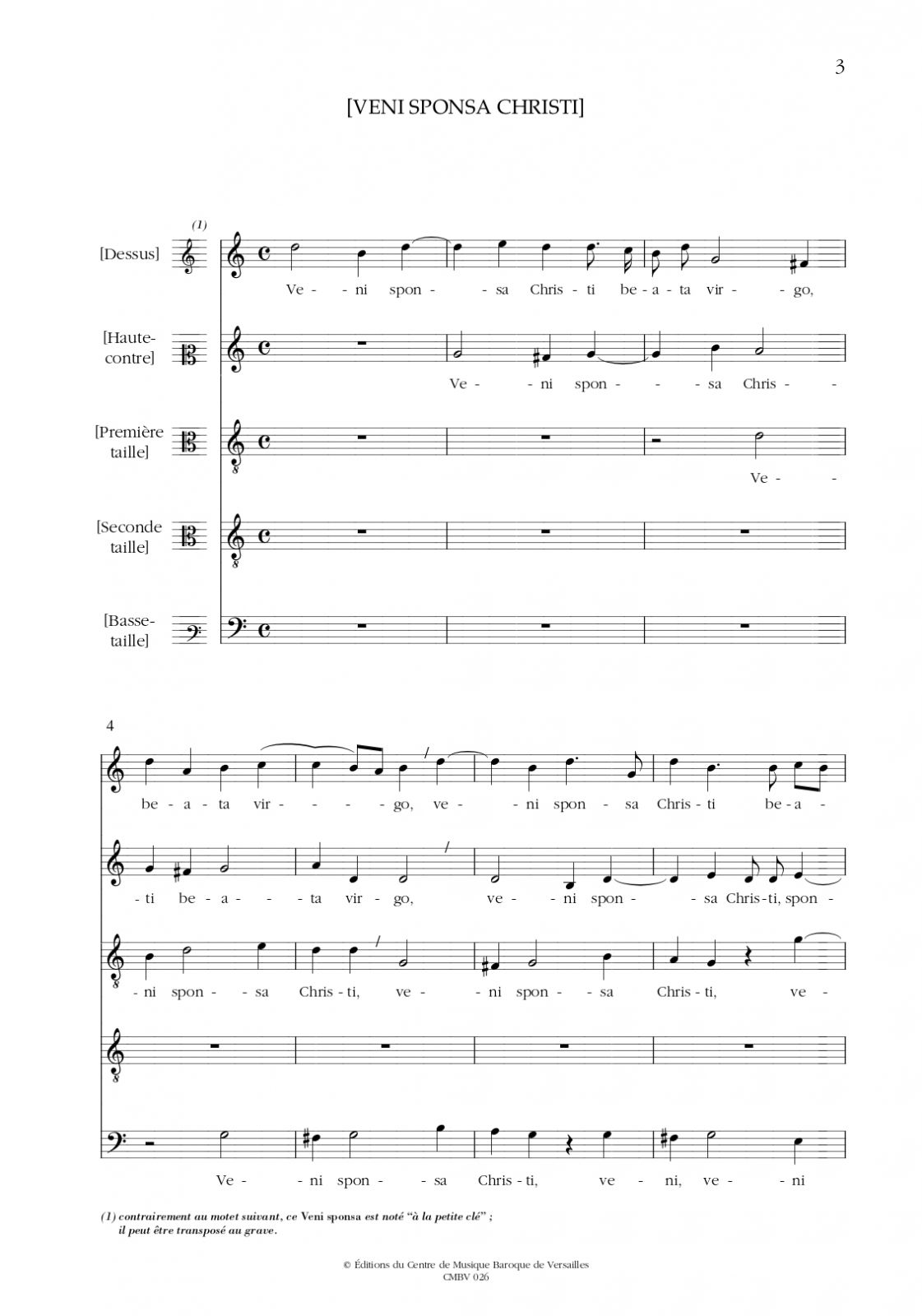
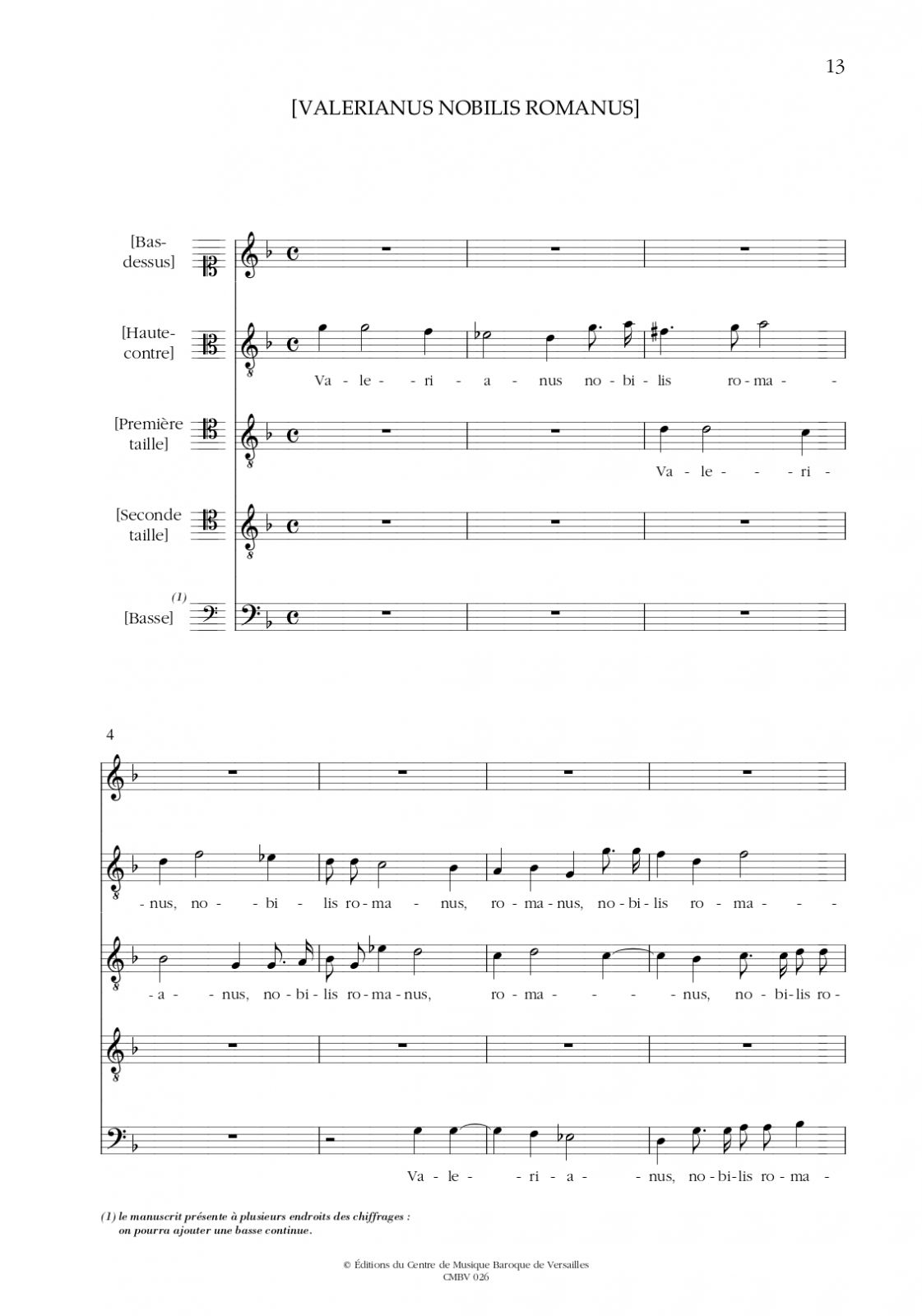
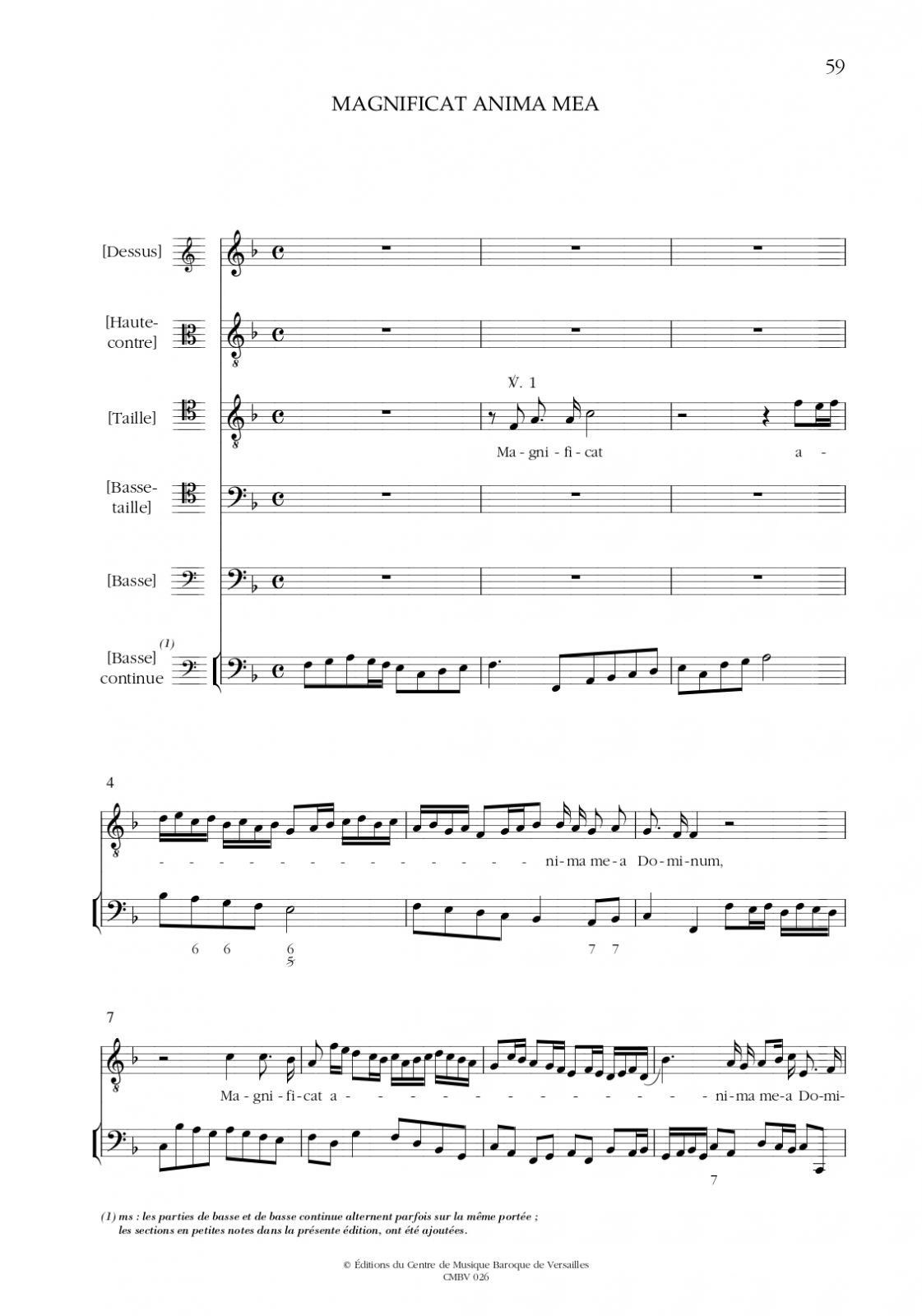
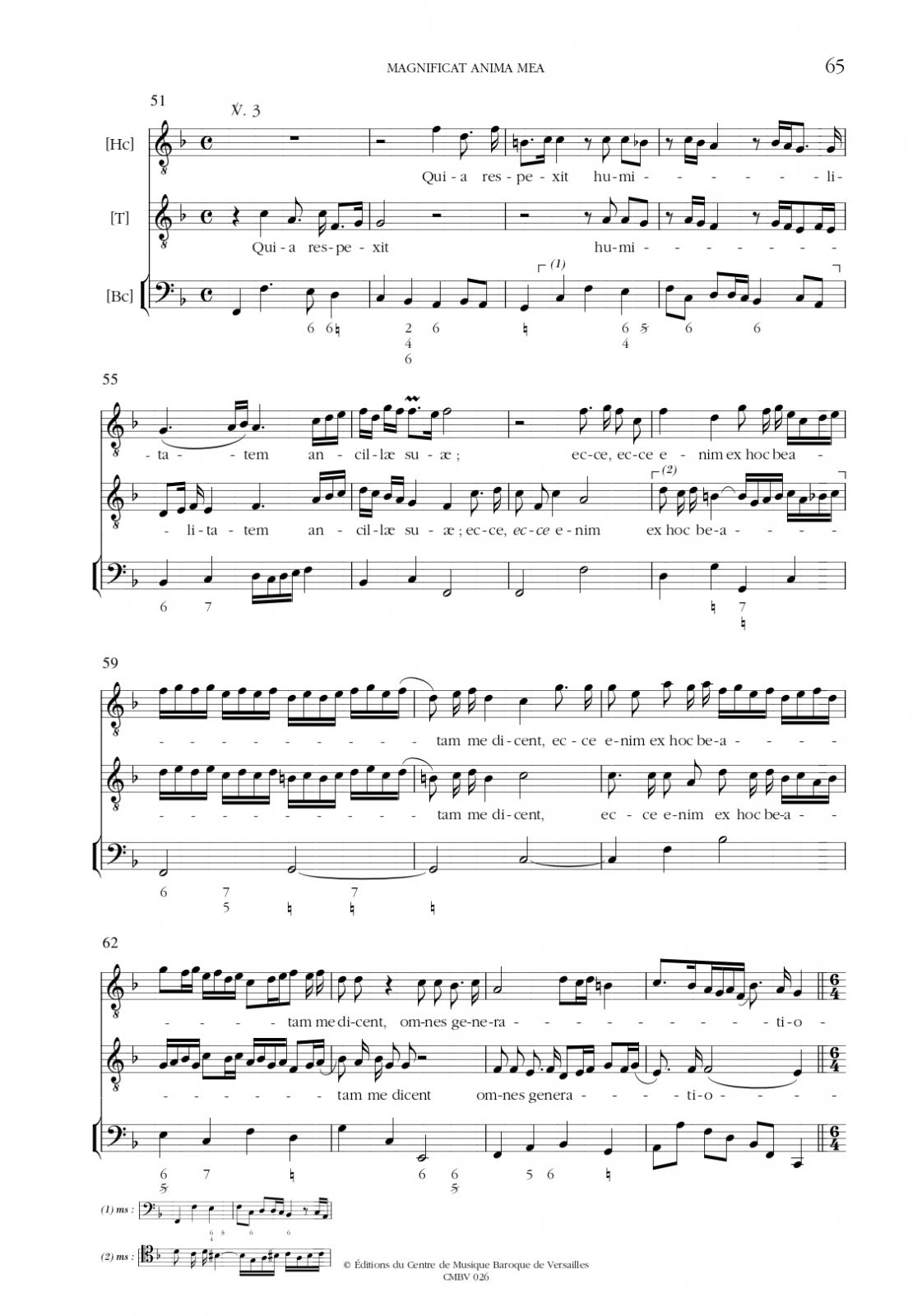
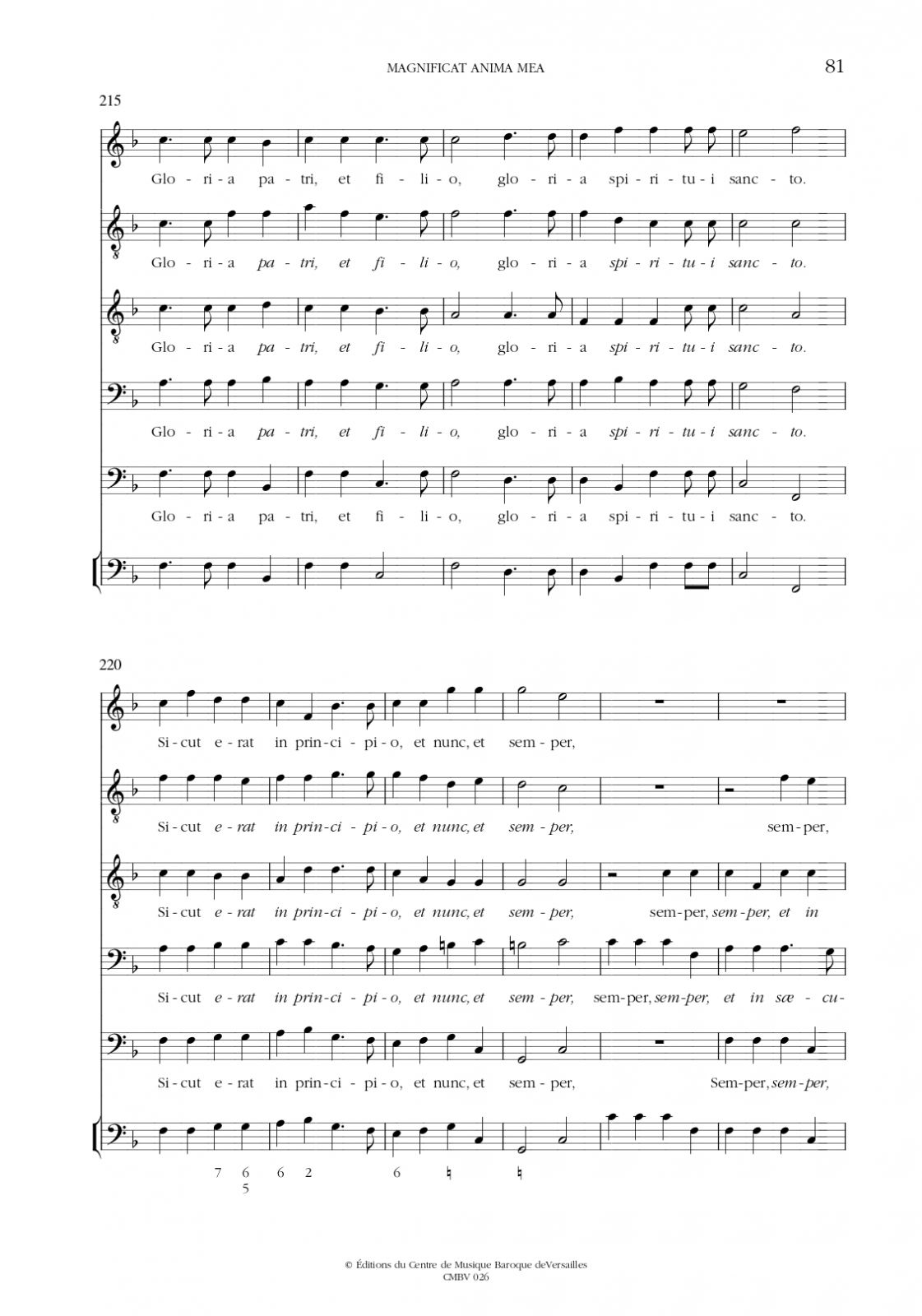
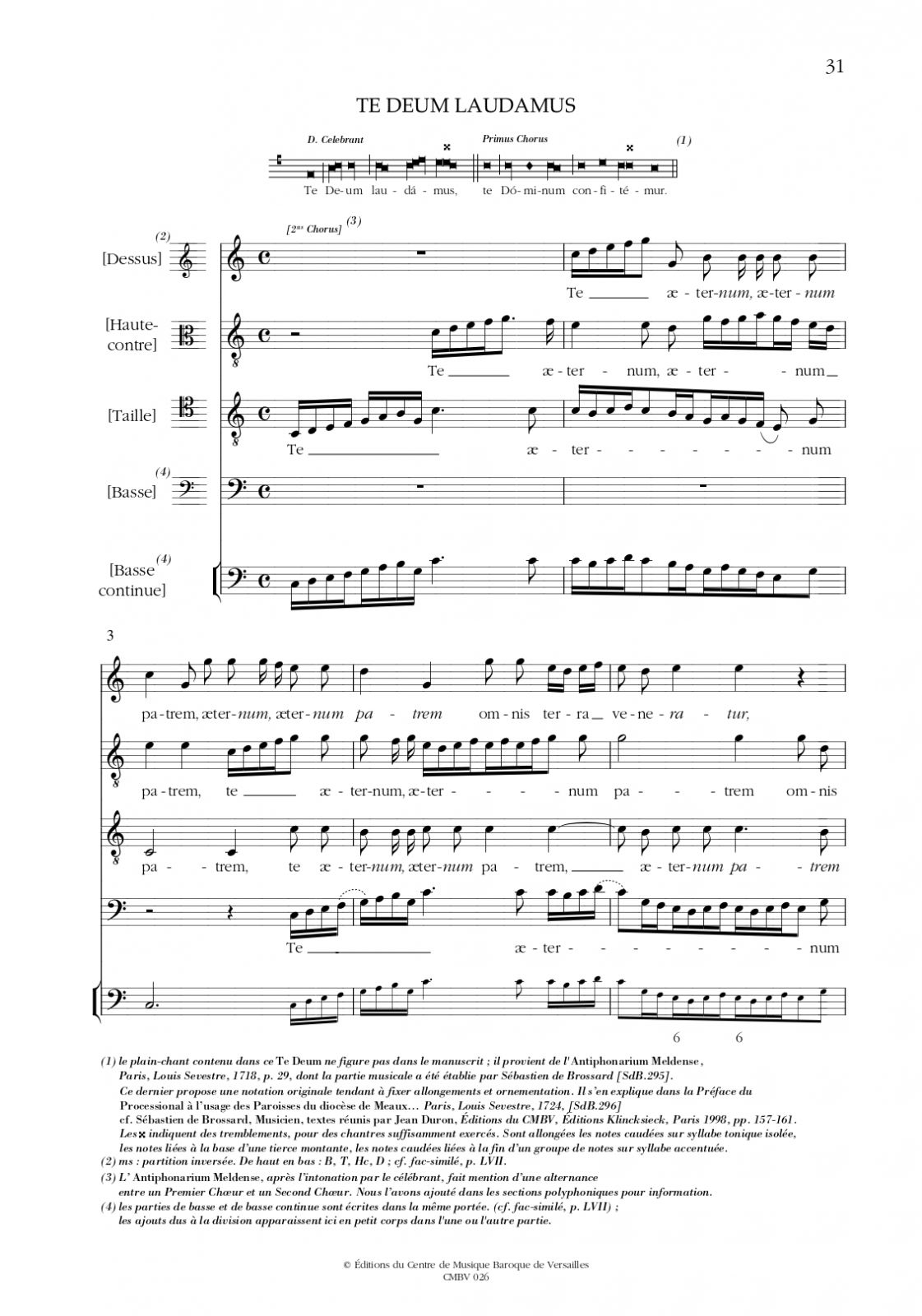
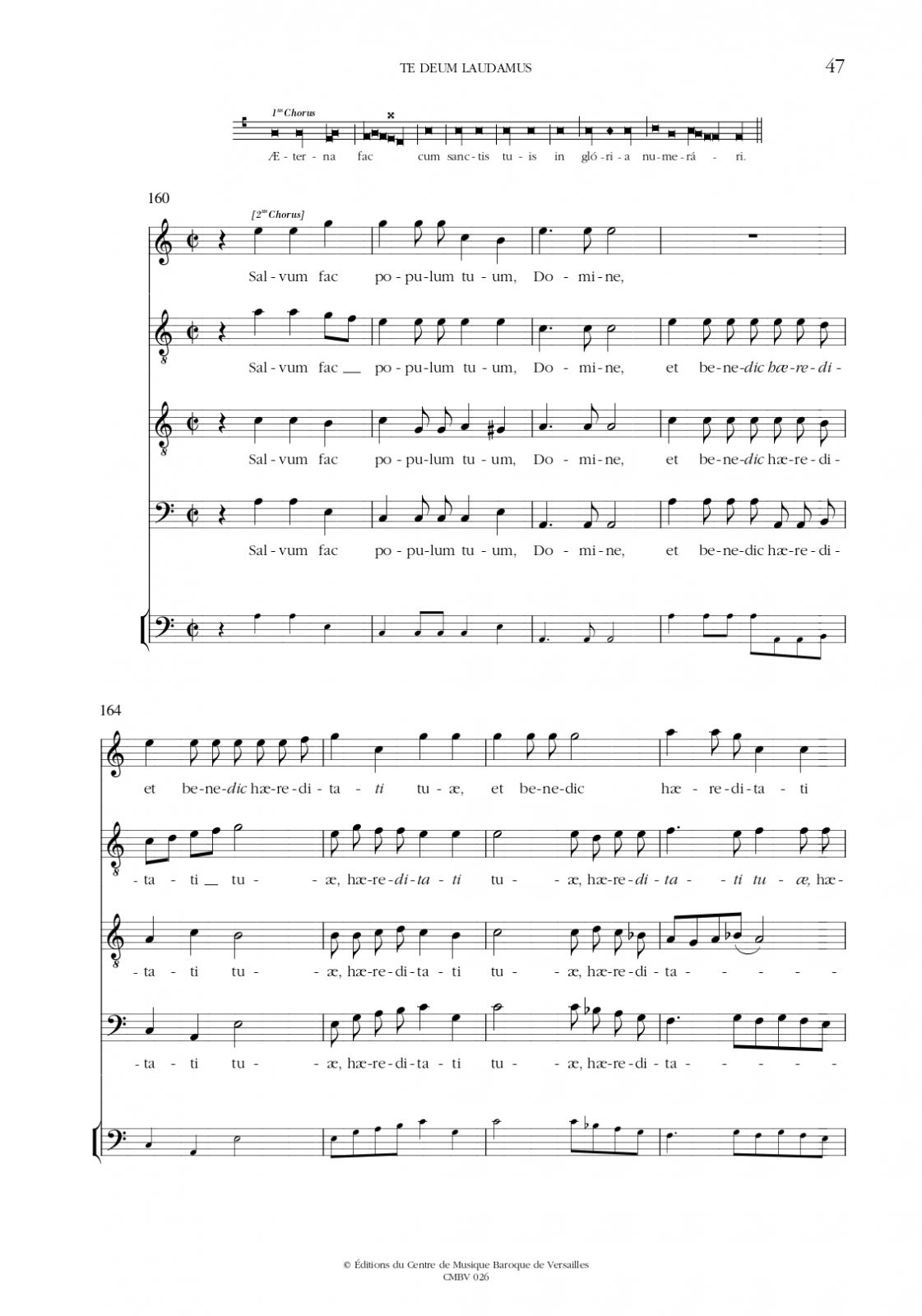
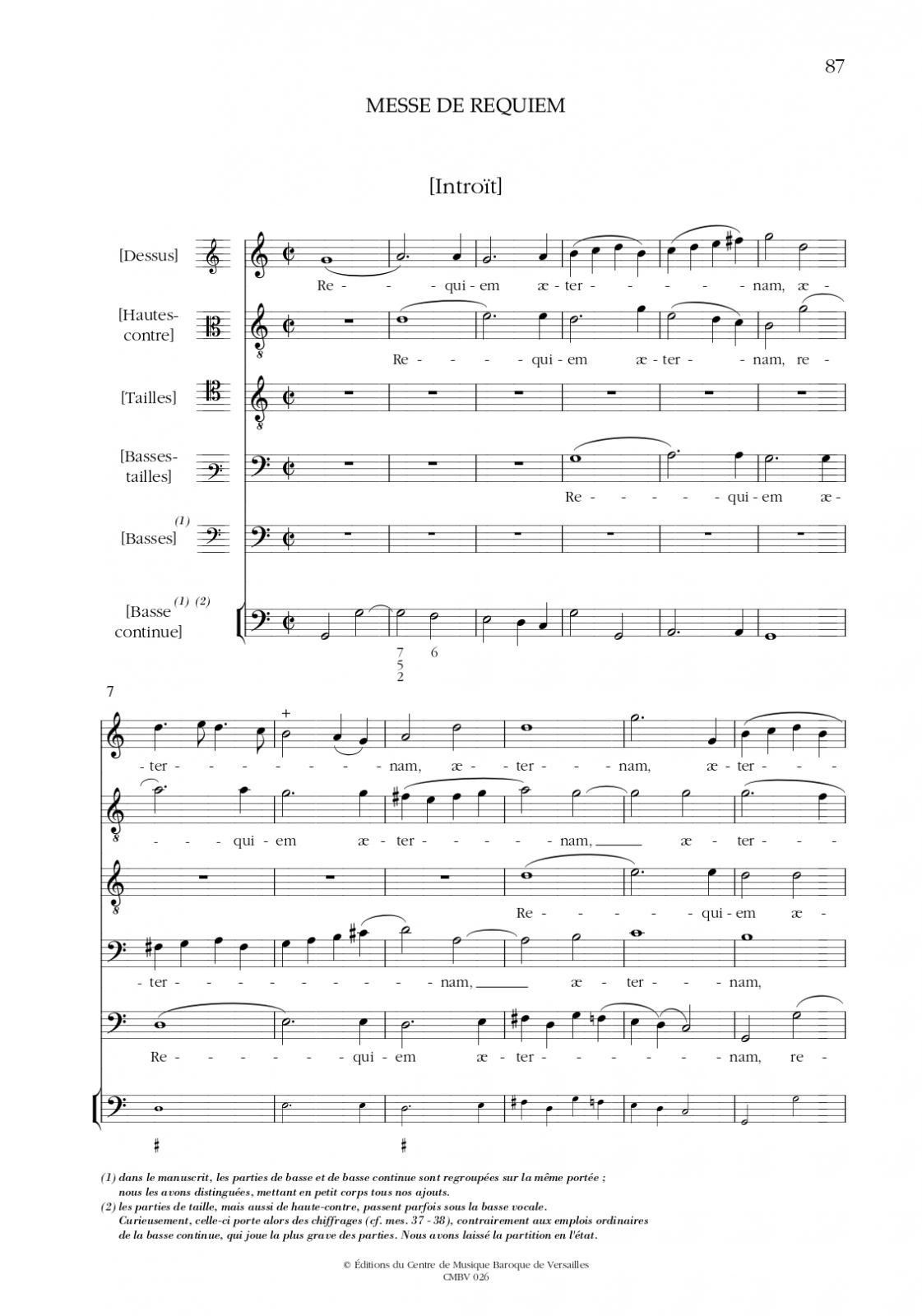
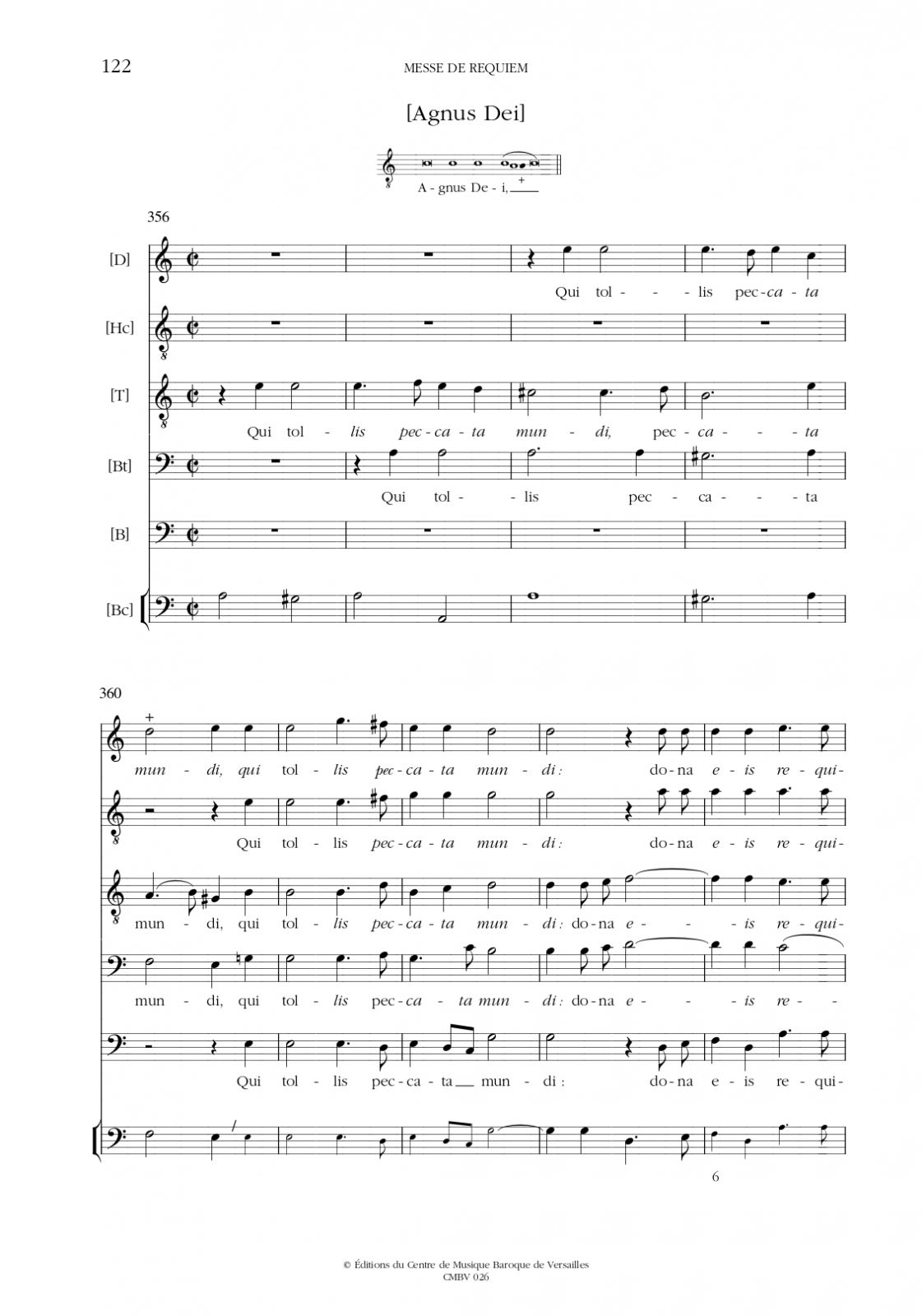
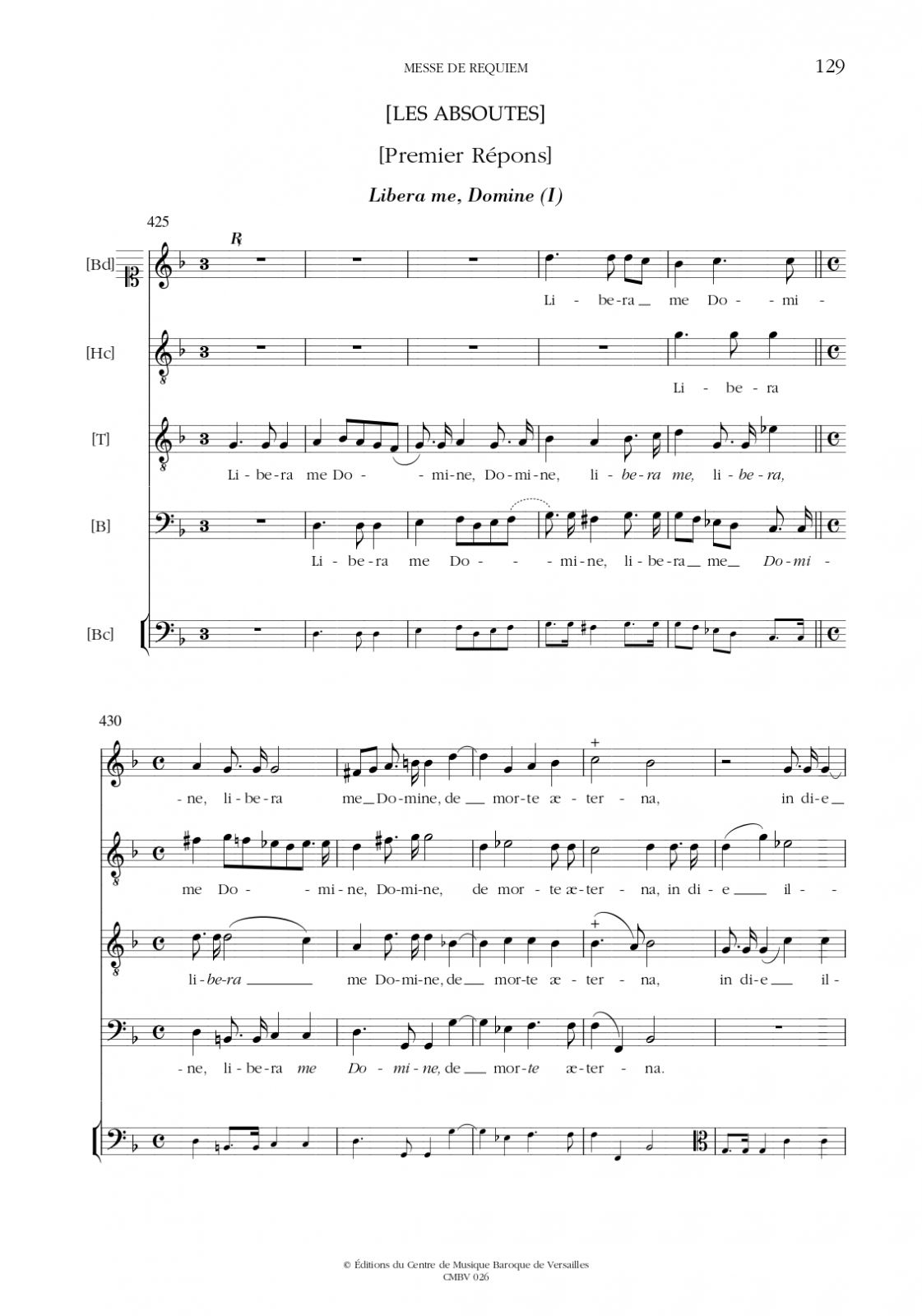
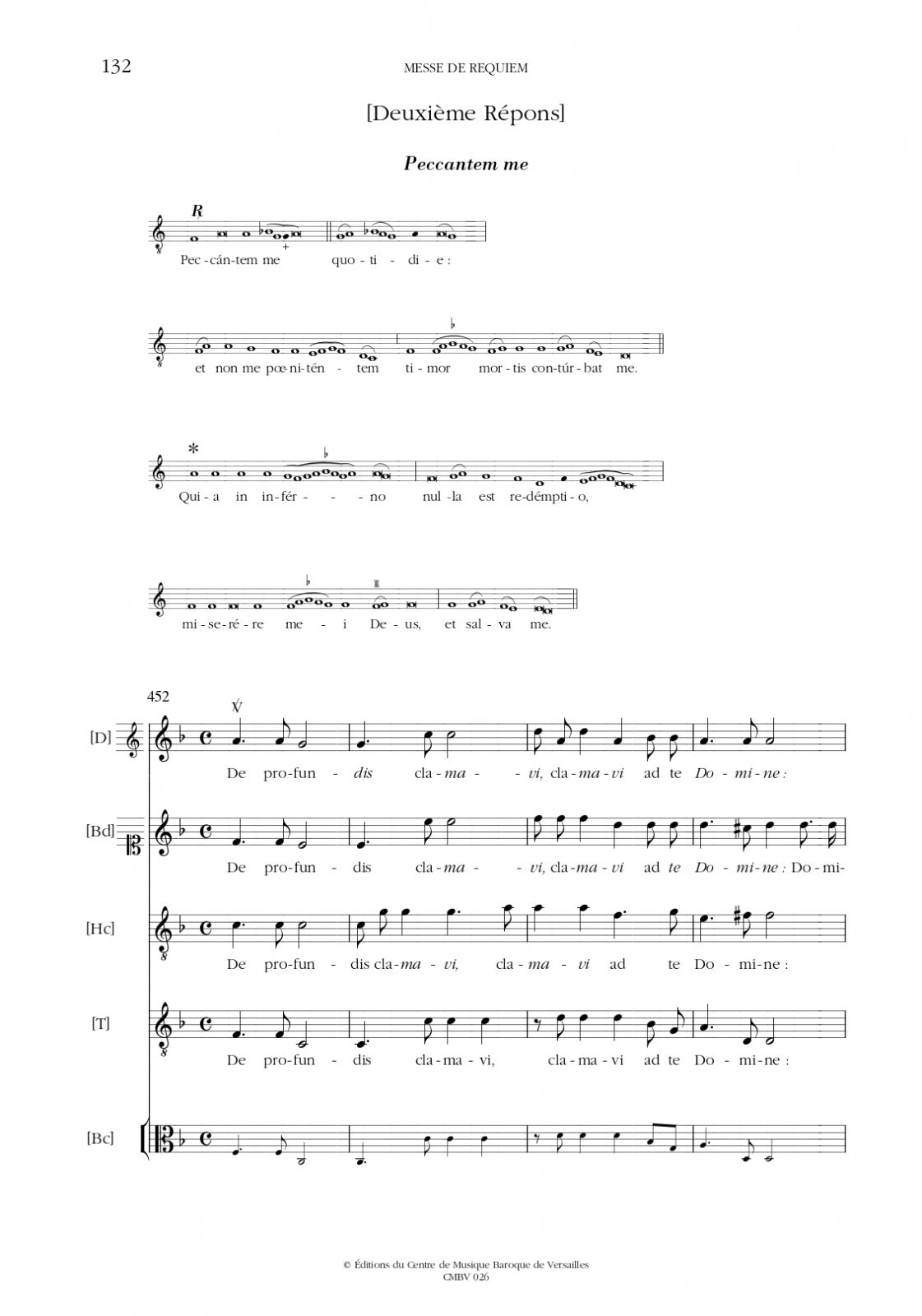
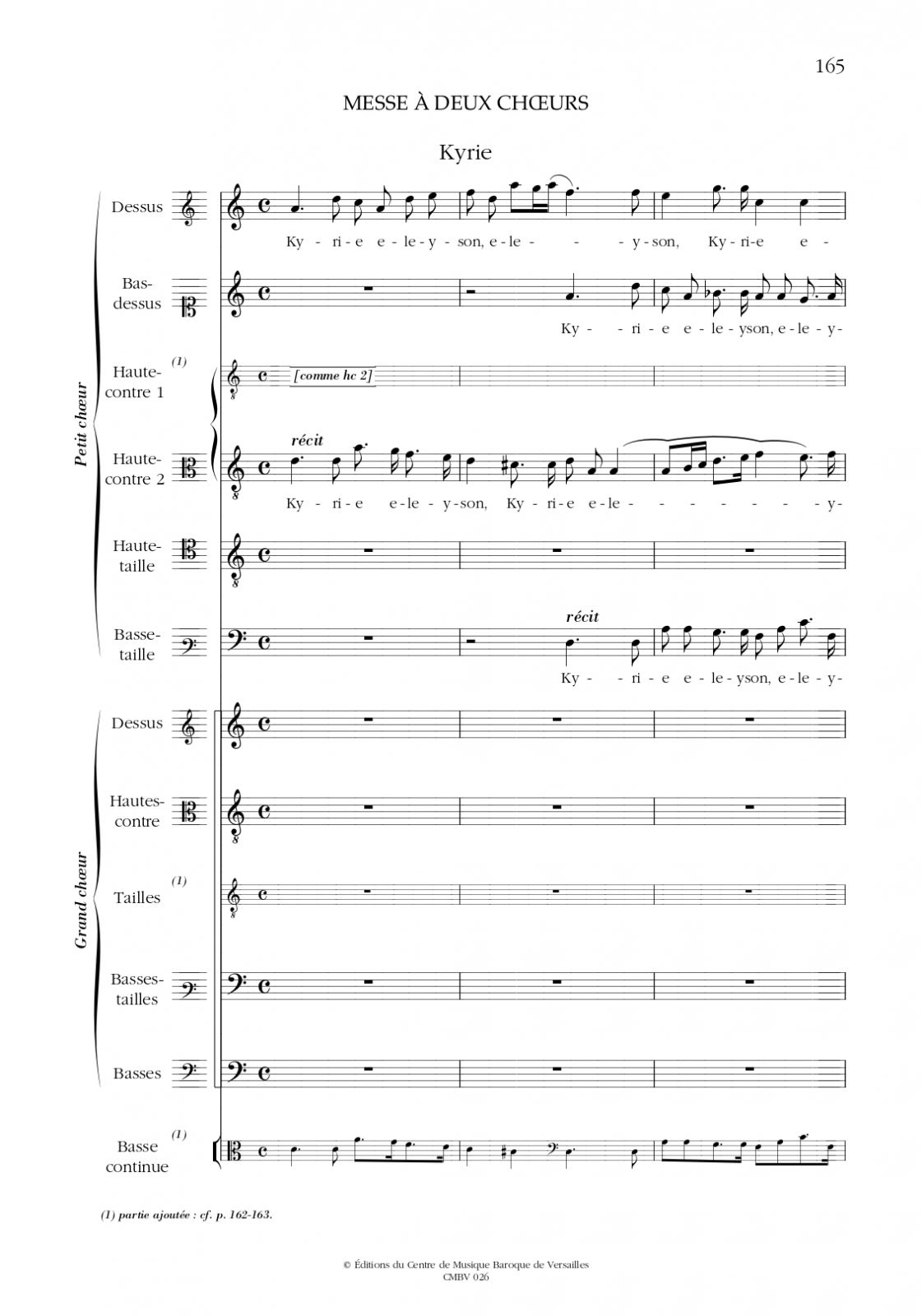


The volume presented here by Jean-Paul C. Montagnier brings together all the known works of composer Pierre Tabart (c. 1650–after 1711), one of the masters of the French school of counterpoint, who was Sébastien de Brossard’s predecessor at Meaux Cathedral.
Pierre Tabart was born around 1650 in Chinon. His career, like that of all maîtres de chapelle of the period, was divided between several of the kingdom’s cathedrals: Tours, where he received his training as a choirboy, then Orléans and Senlis, which attracted the most illustrious among them. He won numerous prizes and succeeded Nicolas Goupillet at Meaux after the latter’s appointment to the Chapelle Royale in 1683. Pierre Tabart had also entered the competition for sous-maîtres de la chapelle du roi, but was ousted in favour of musicians perhaps more aware of the new style that the sovereign (and his surintendant de la musique, Jean-Baptiste Lully) wanted to impose on the Court. The evidence of him that has come down to us bears witness to a musical practice that was very different from that of the French Court.
This volume presents an aspect of 17th-century French musical heritage that is still little-known, surprising and very different from the fashionable motet forms (petit or grand motets). As in his Messe de Requiem, there is a harmonic tension here and a rare density due to searching, skilful tonal counterpoint, such as can sometimes be heard in Marc-Antoine Charpentier or Henry Du Mont. Admire the Messe à double chœur (Mass for double choir); be amazed by the volubility of the Te Deum and Magnificat.
Motet without text, attributed to Pierre TABART
The works
Recommendations


