

Œuvres Complètes (Expodcast#1)
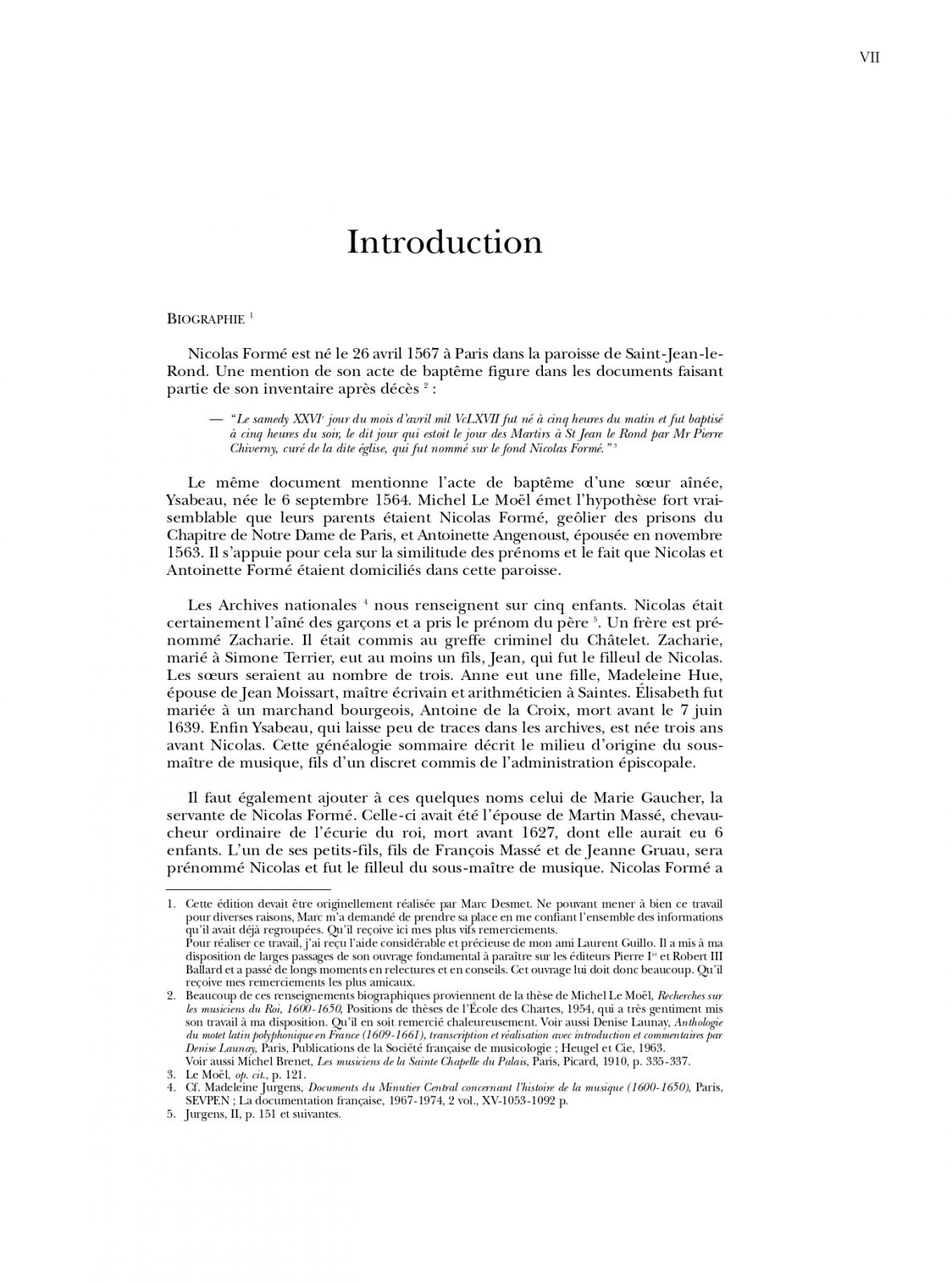
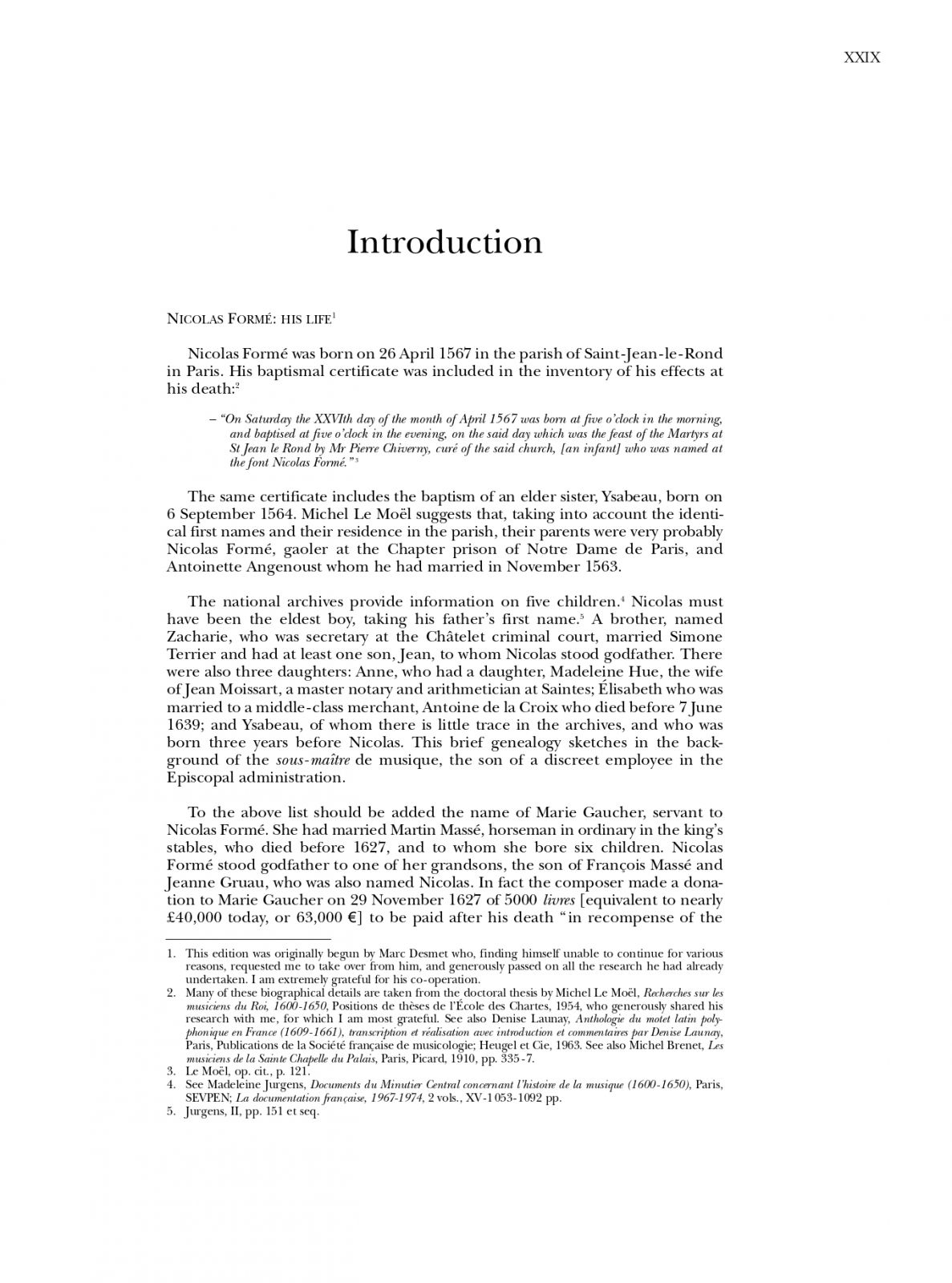
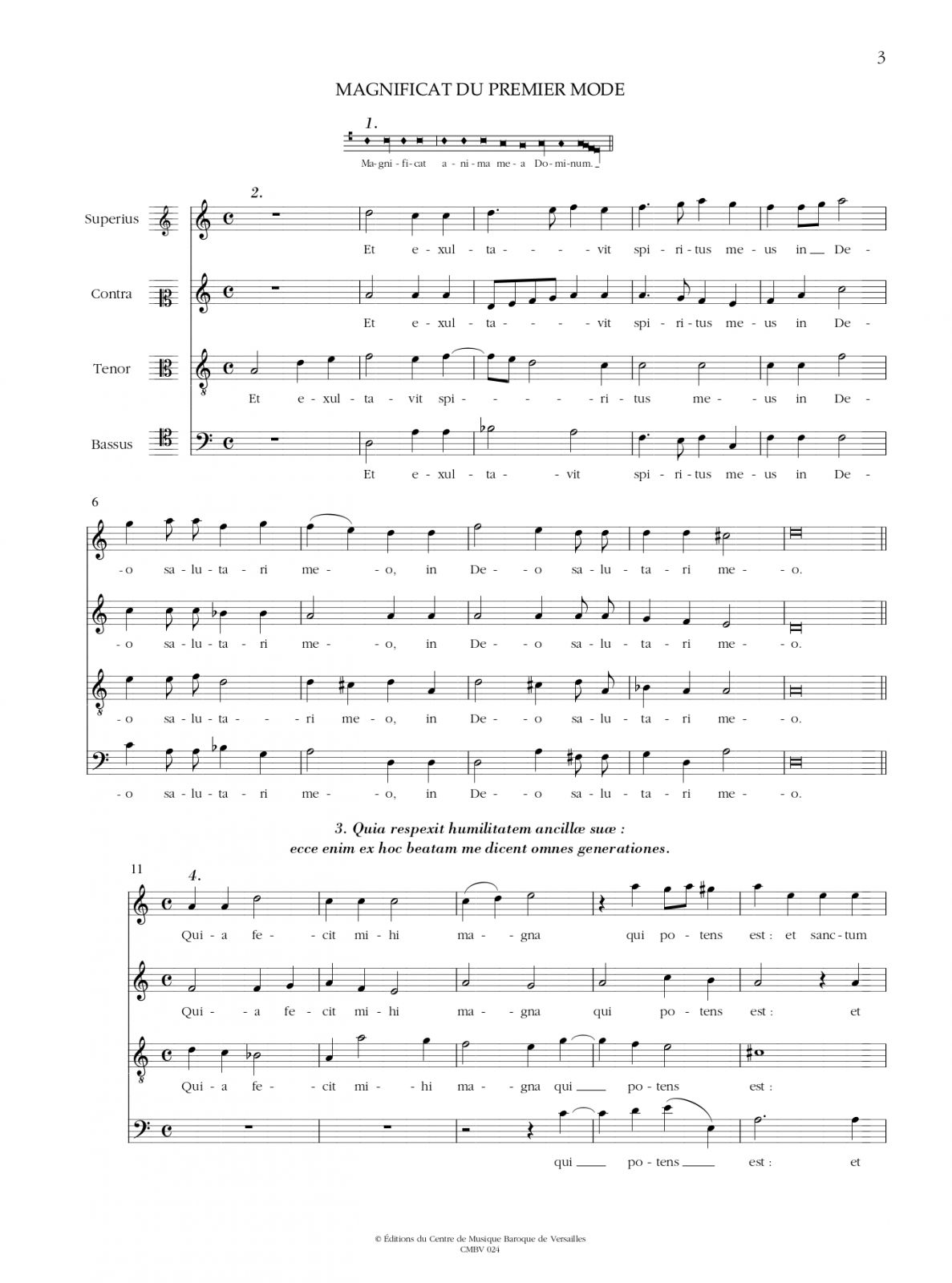
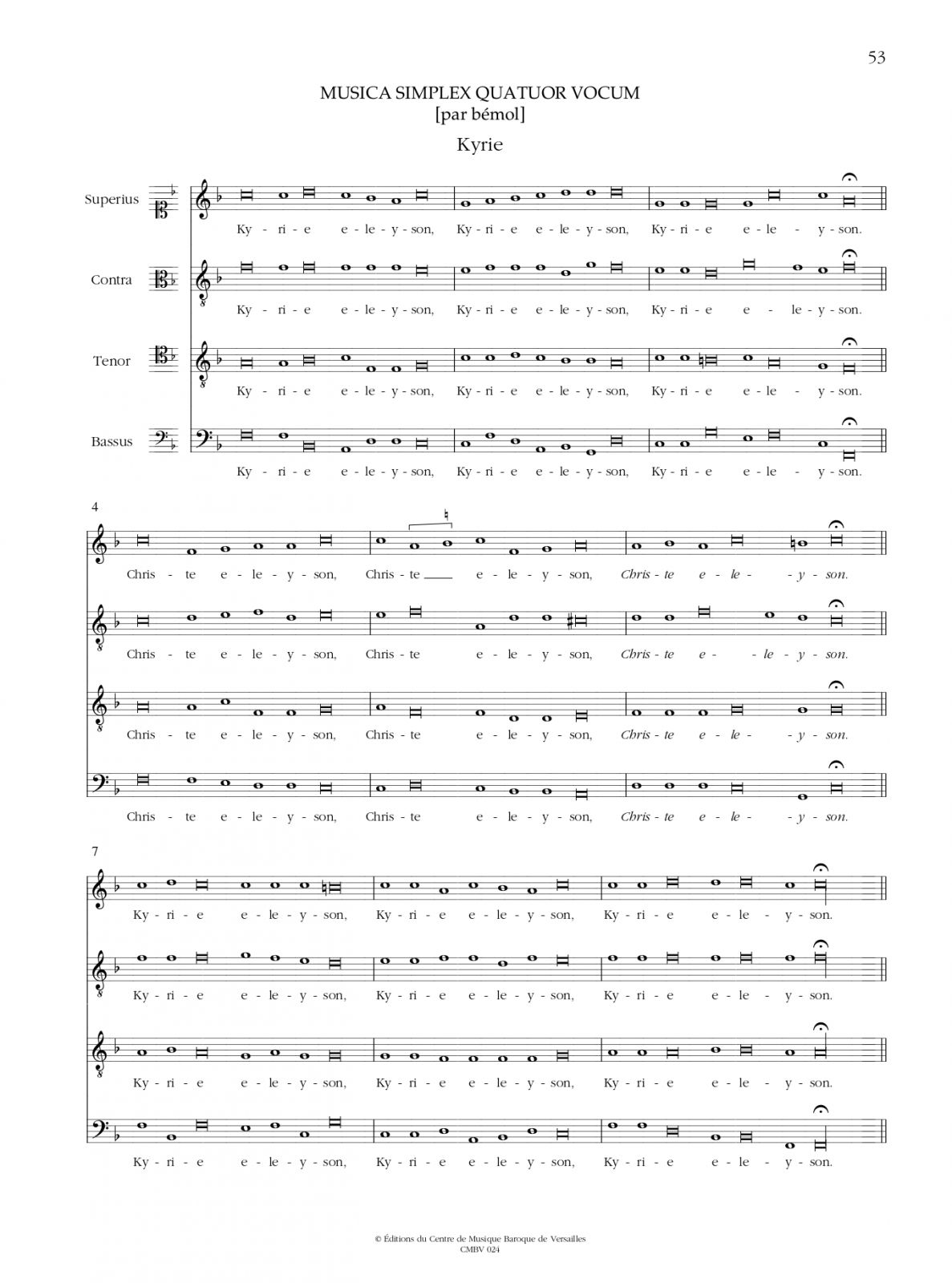
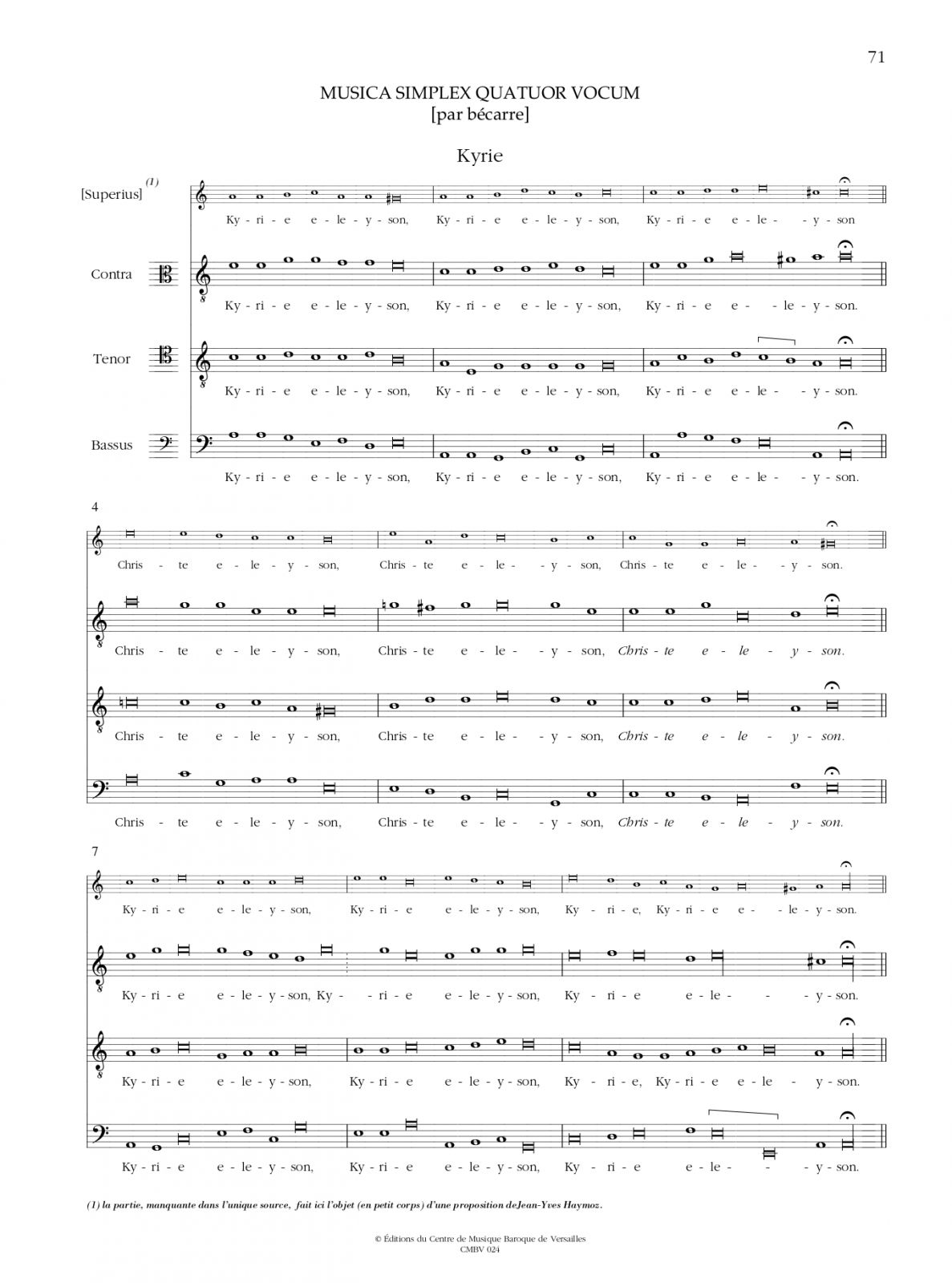
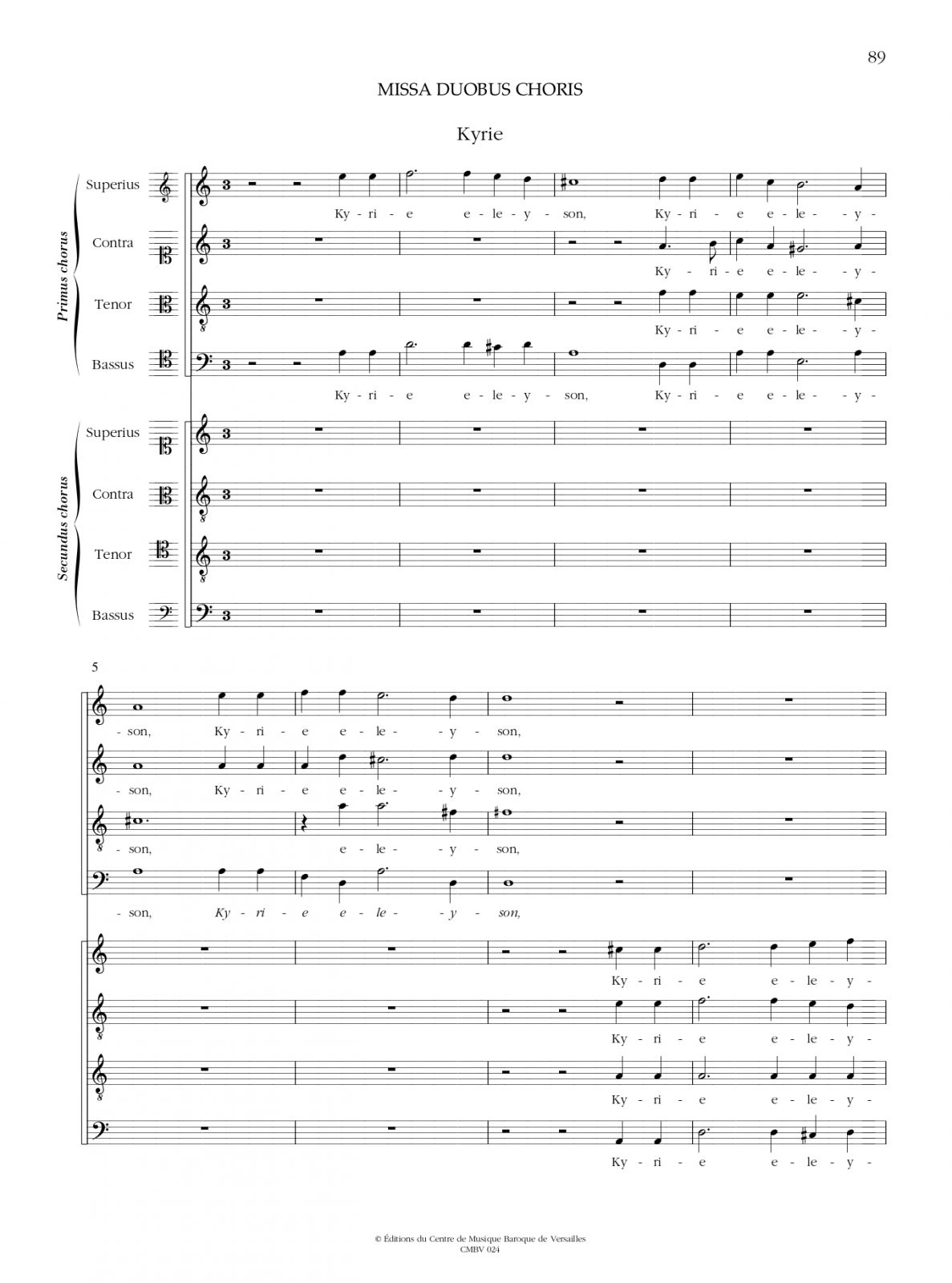
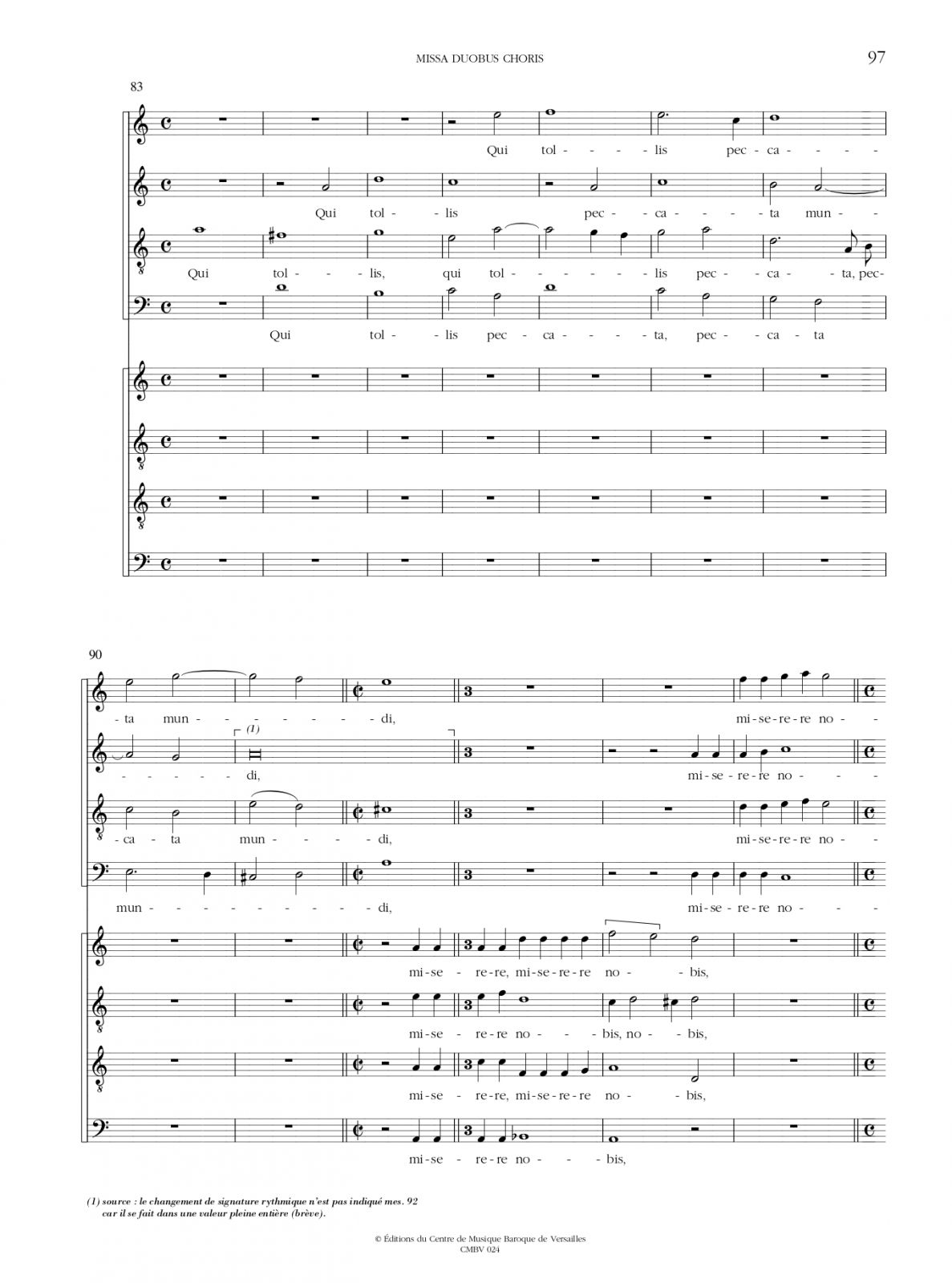
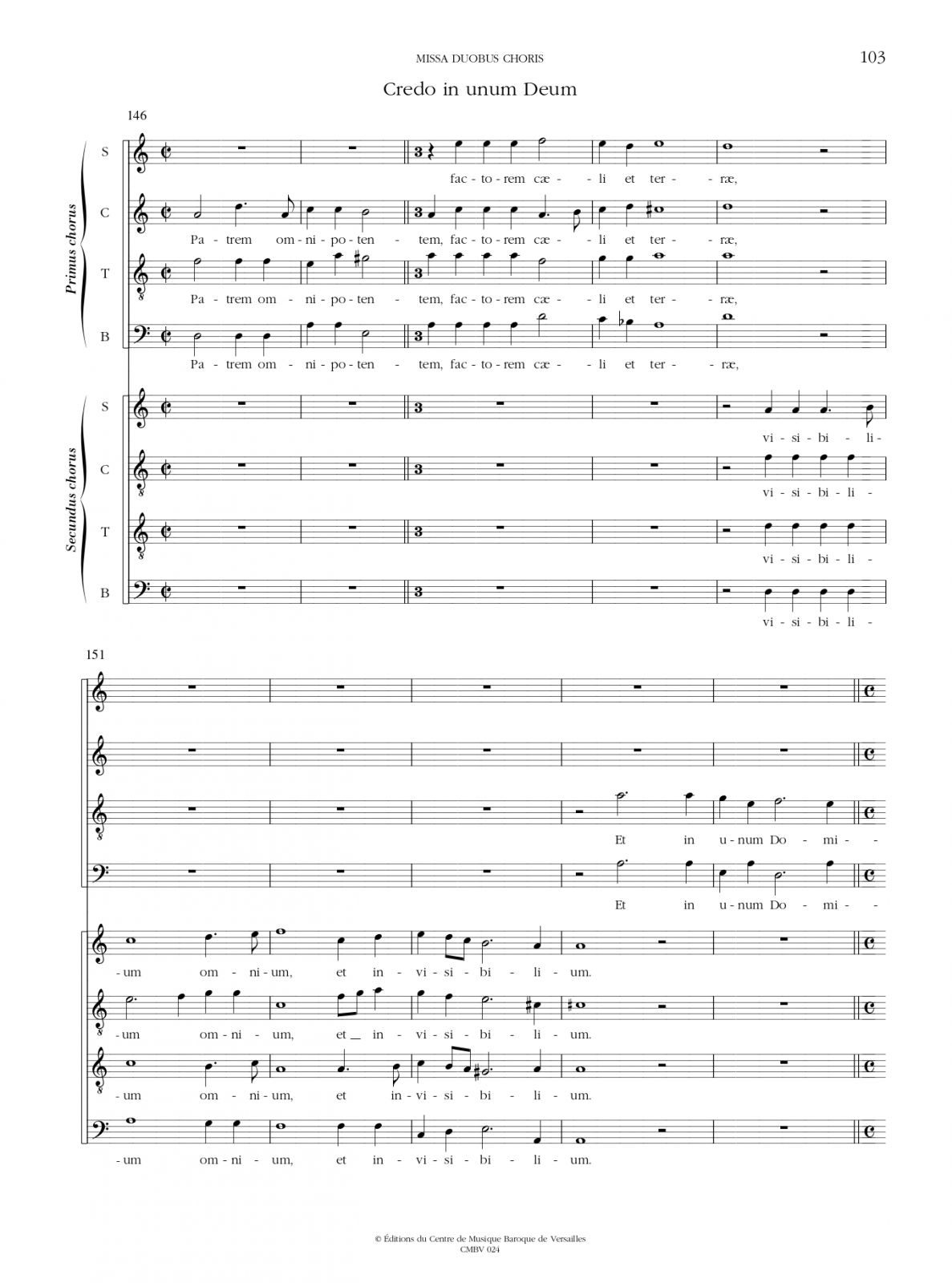
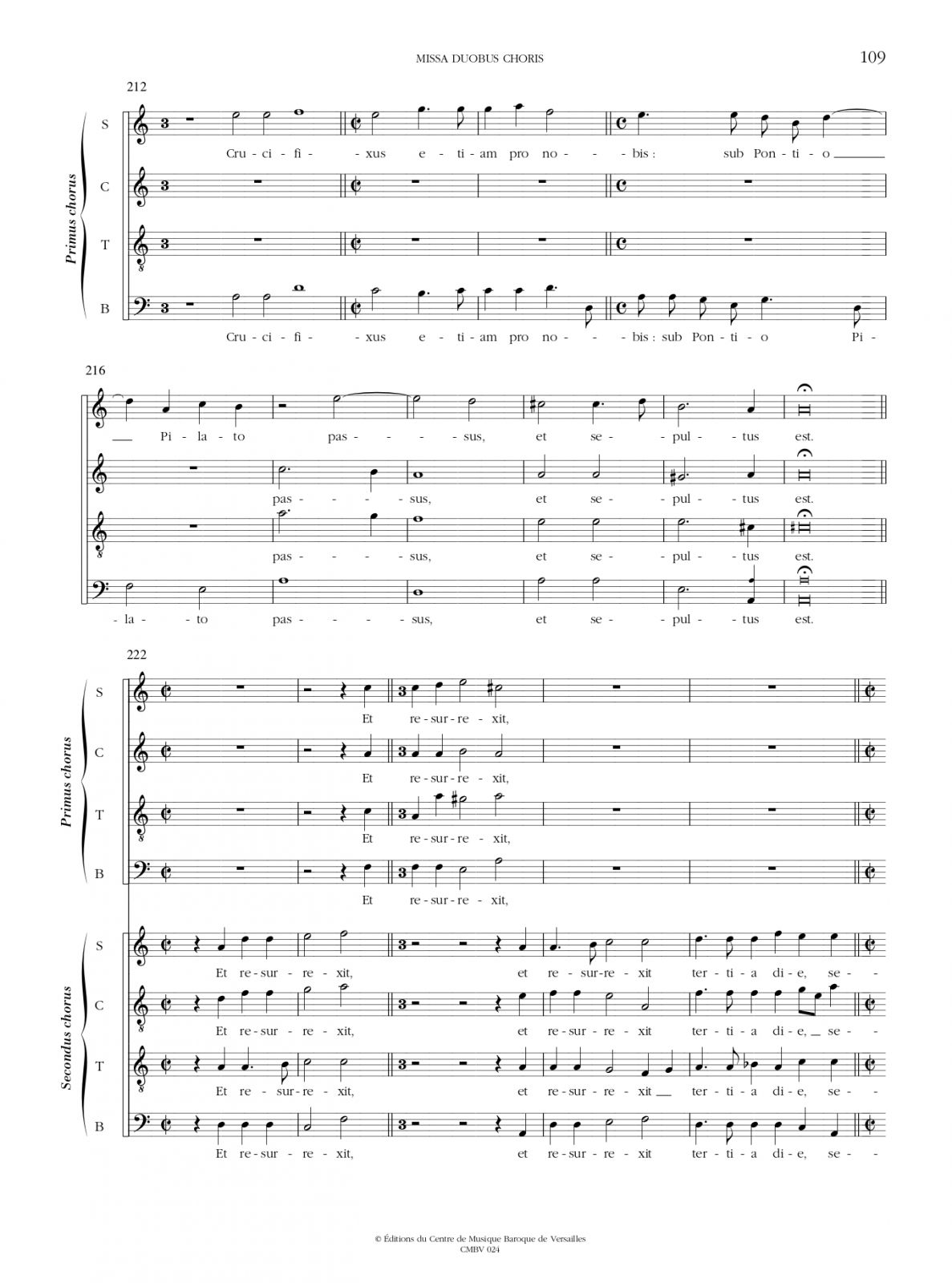
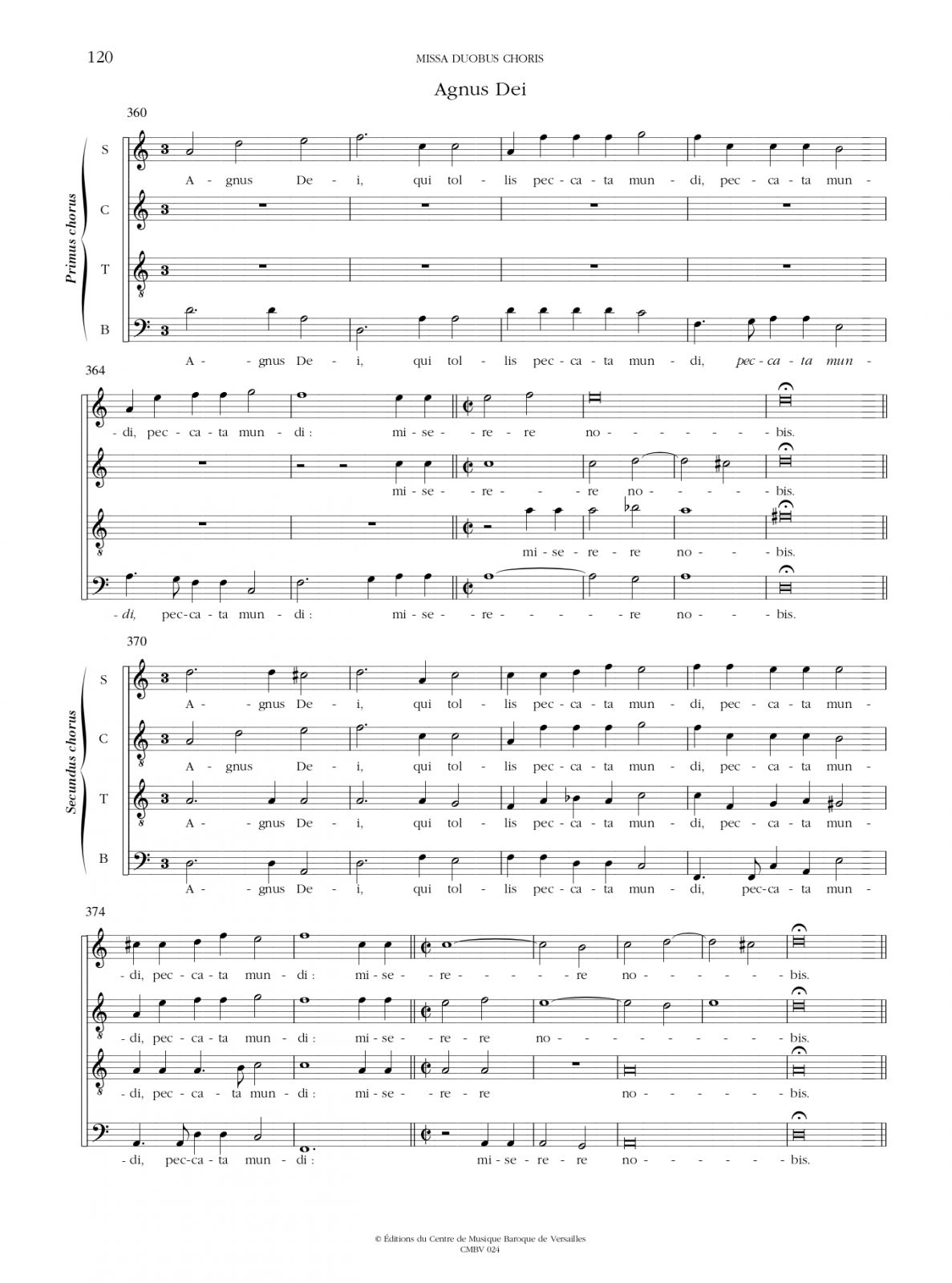


Nicolas Formé (1567–1638) began his musical career in 1587 as a clerk at the Sainte-Chapelle choir school in Paris. A disciple of the great Eustache Du Caurroy, he replaced him on his death in 1609 as sous-maître de la musique du roi. Such was Louis XIII’s attachment to him that, after his death, his music was seized and kept in a cupboard to which the monarch personally retained the key.
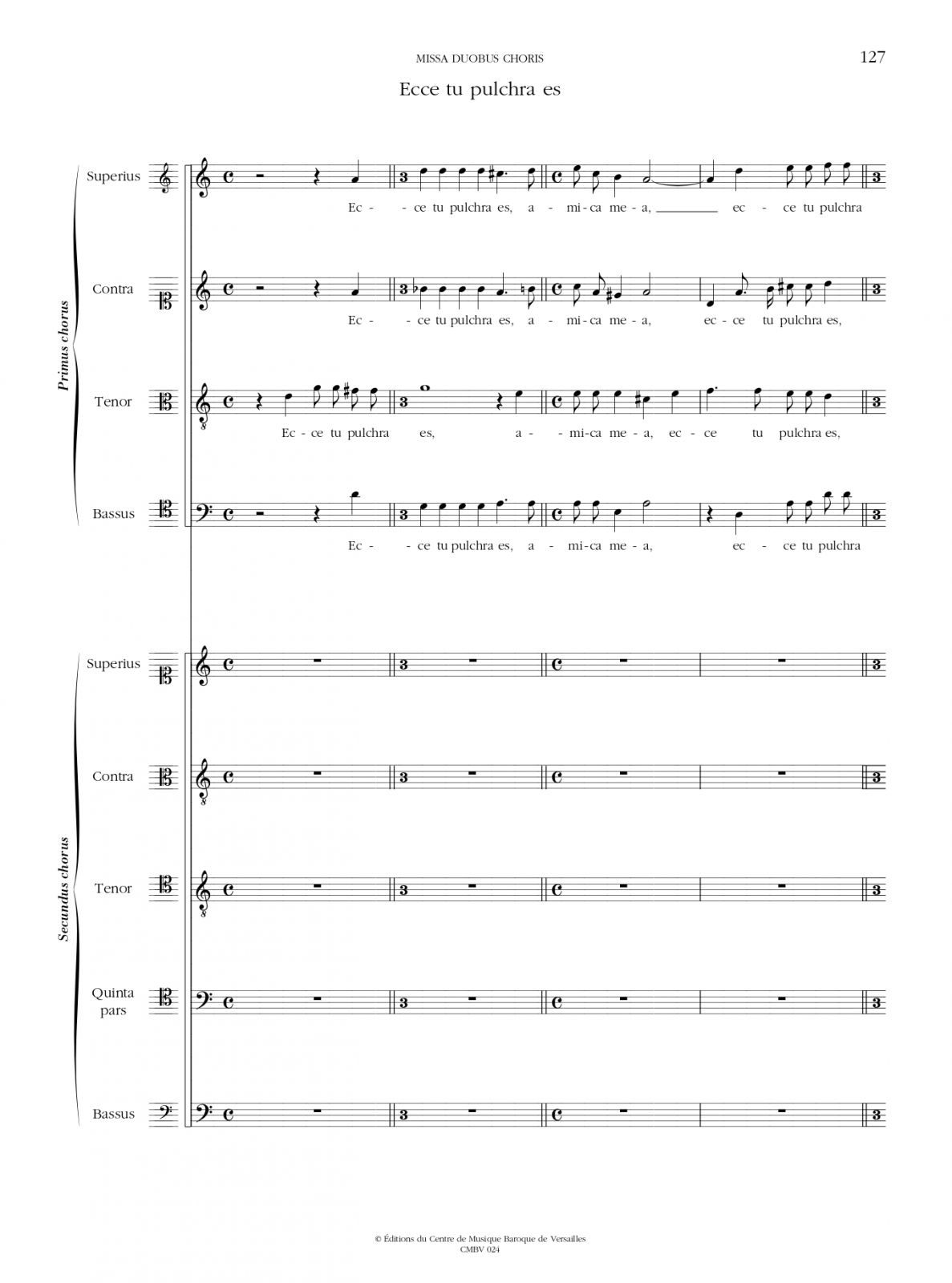
As with many other composers, almost all of Formé’s work has been lost. Only a few pieces of religious music have survived, including two masses in simple counterpoint, a series of Cantiques à la Vierge (Canticles to the Virgin), and a two-choir mass accompanied by the motets Domine salvum fac Regem and Ecce tu pulchra es, which he took care to have published before his death.
This reduced corpus nevertheless remains of great interest. The two masses, in simple counterpoint, and the eight Magnificats can easily be mounted by all kinds of choirs. A cappella and in four voices (Superius, Contra, Ténor and Bassus), they were dedicated to the ordinary practice of worship. The developed, quasi-homorhythmic counterpoint is highly effective from a vocal point of view. The Magnificats are offered in all eight modes, suiting different performance conditions: these are extensively discussed in the preface by Jean-Charles Léon, enabling a choice of forces according to the liturgical occasion, organ pieces and plainchant. On the other hand, the beautiful Messe à deux chœurs, the first published example of a French polychoral a cappella mass (4 voices for the small choir and 5 for the large), is marked by the rhythmic writing of the air de cour, making it suitable for more experienced ensembles.
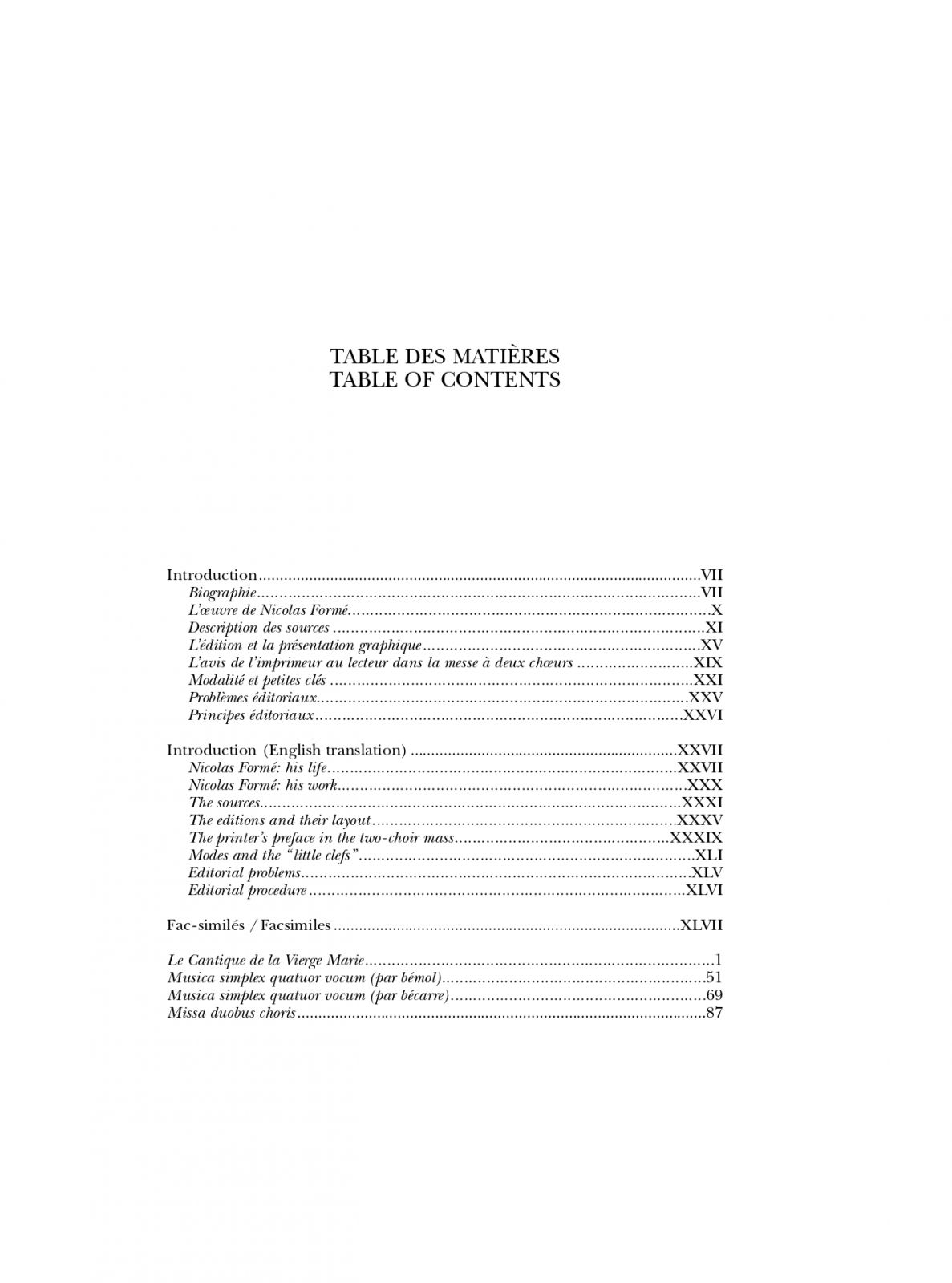
The fluidity of the composition, its musicological interest and its melodic beauty make Nicolas Formé’s pieces a major contribution to the first half of the 17th century. The volume contains a bilingual (French/English) preface, illustrations of the various sources and a modern transcription of the music.
Les œuvres
Recommandations


