
Concerto con tre violini e cimbalo o organo obbligato
op.XXVI n°2
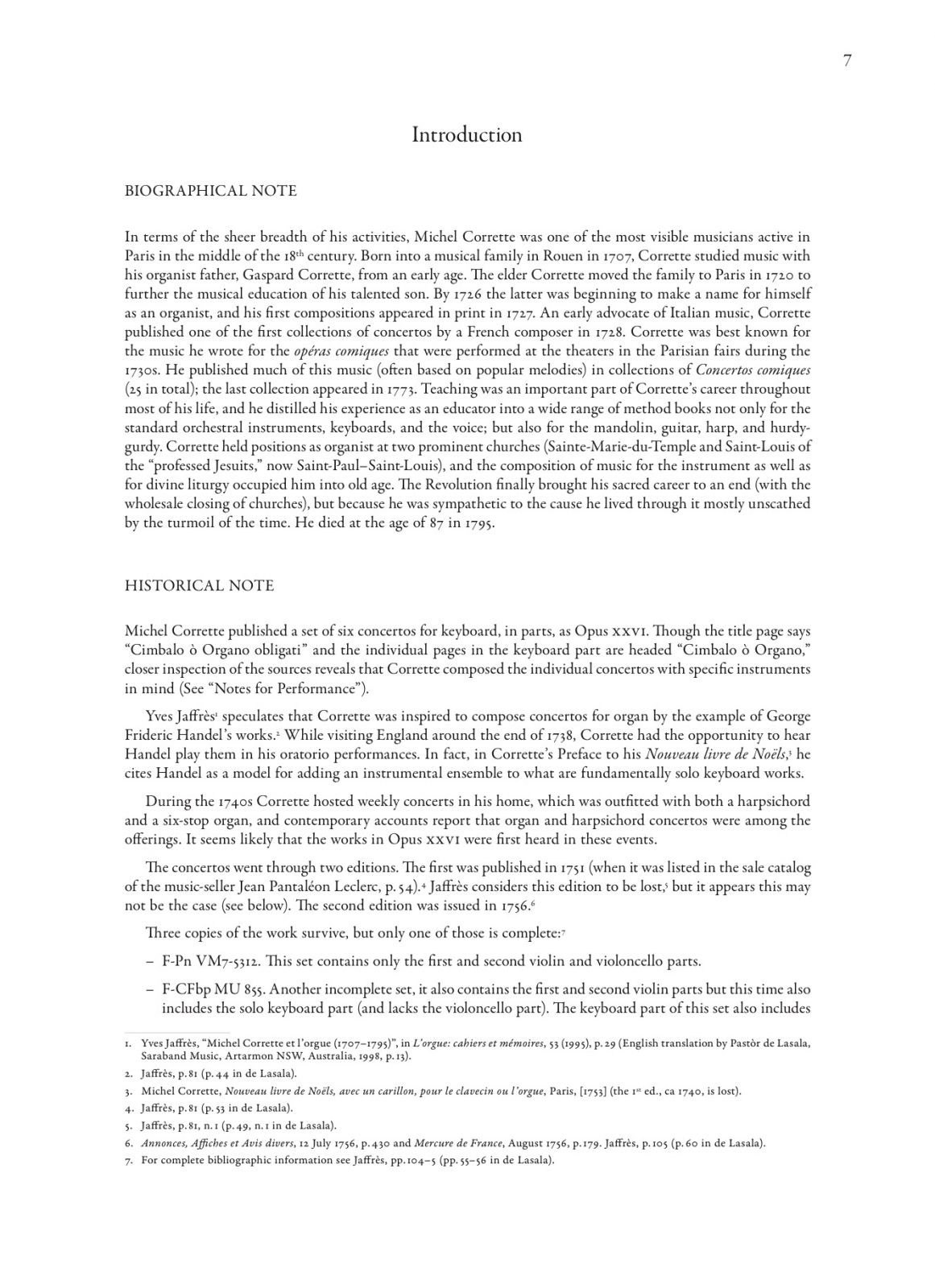
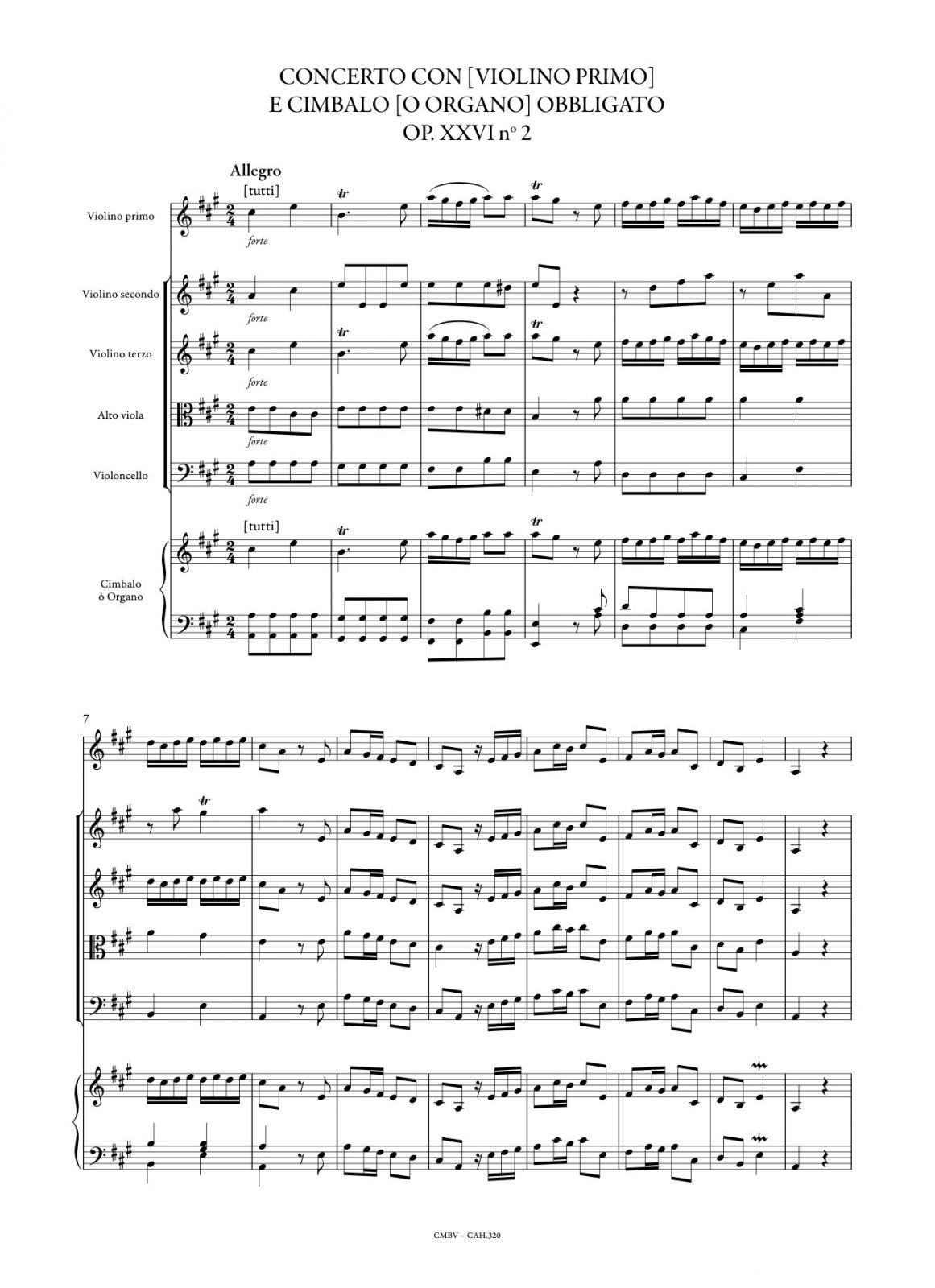
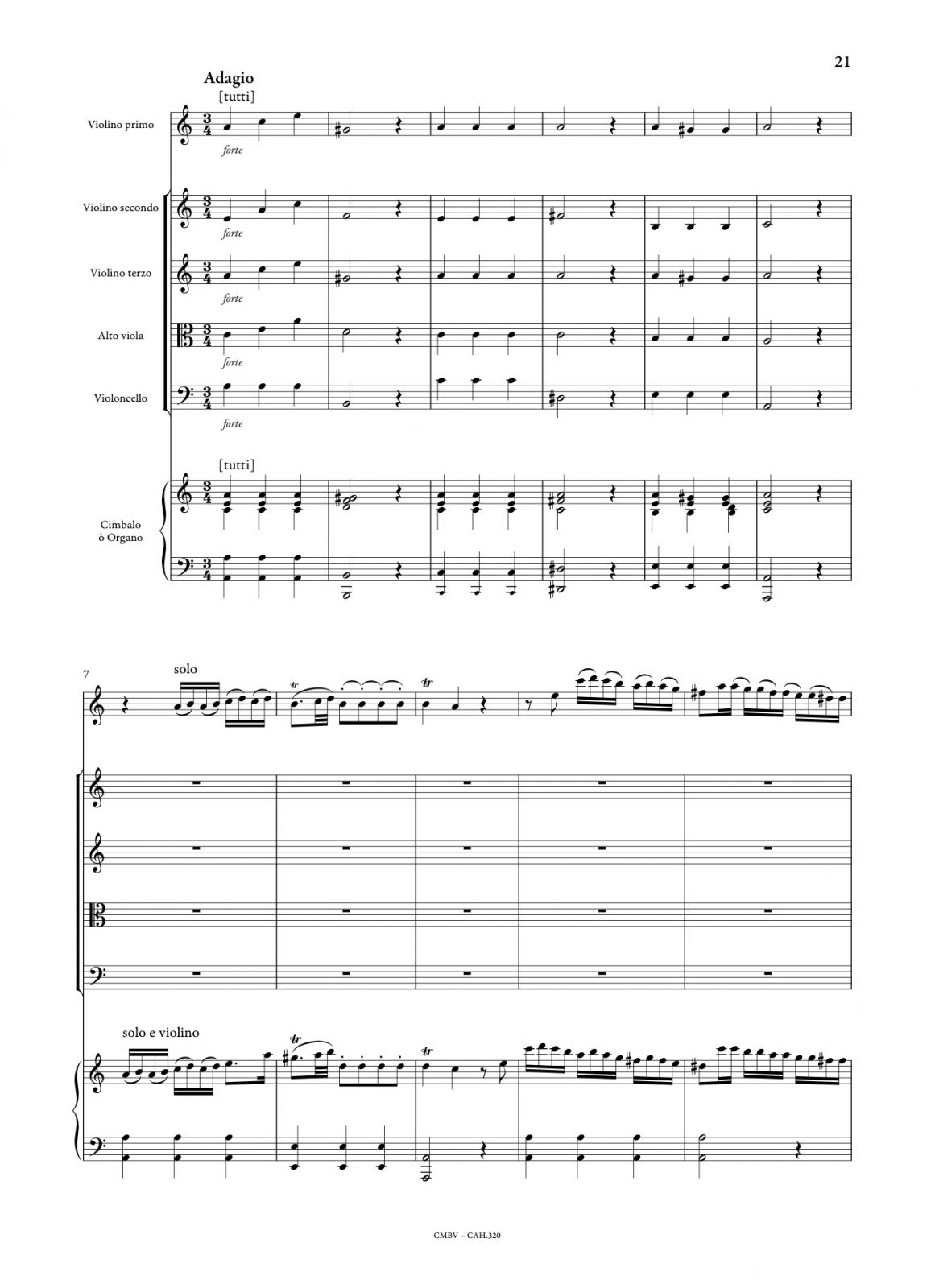
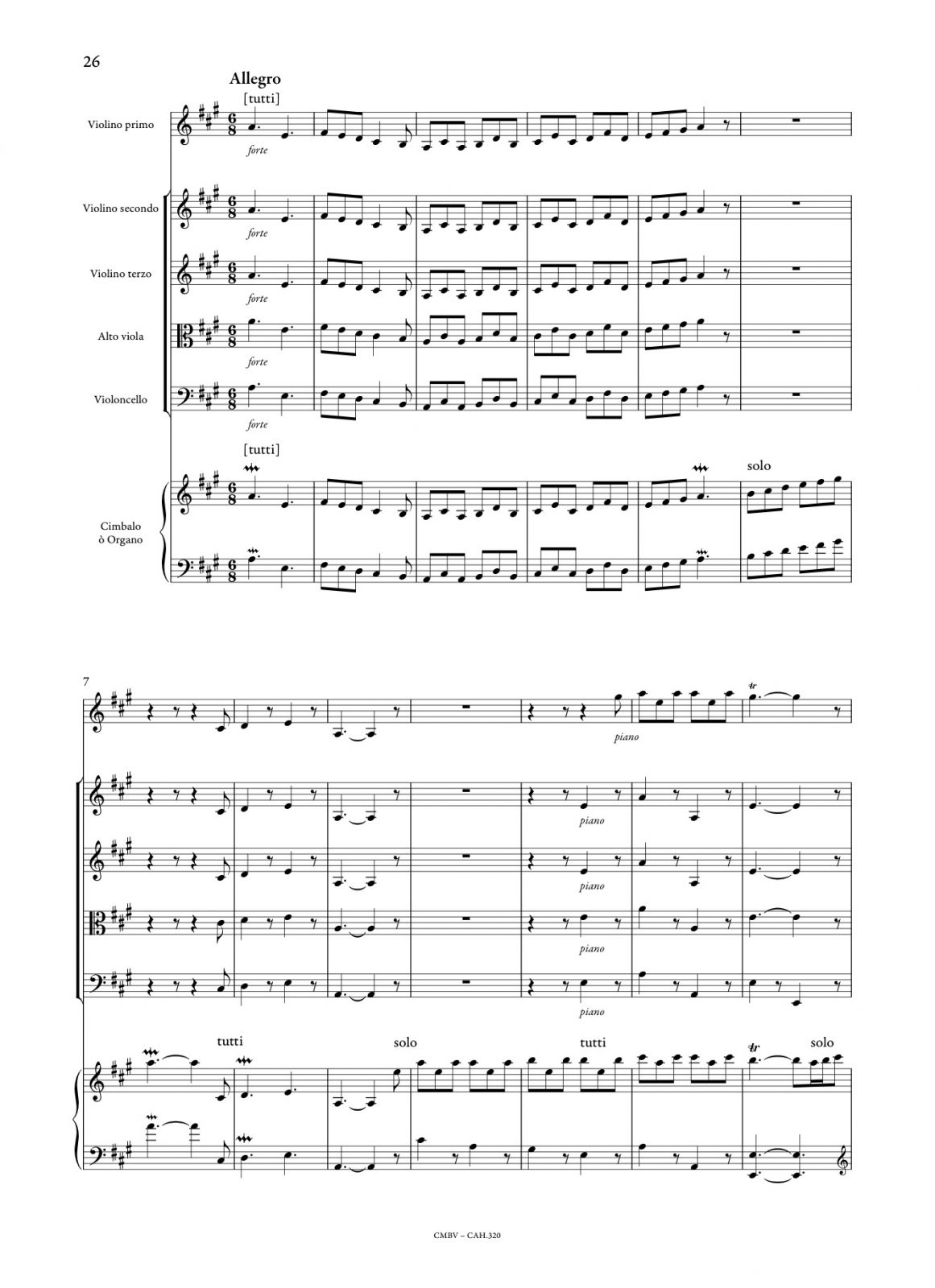


The Centre de musique baroque de Versailles continues the publication of Michel Corrette’s opus XXVI, which is aimed at organists and harpsichordists. This second volume, like the first, brings together a violin and a harpsichord, accompanied by an ensemble of strings. Organists will be able to play the harpsichord part with minimal adaptation. The two soloists are accompanied by a small instrumental string ensemble composed of two violins, viola and cello. In A Major, this concerto is in three movements: Allegro, Adagio, Allegro.
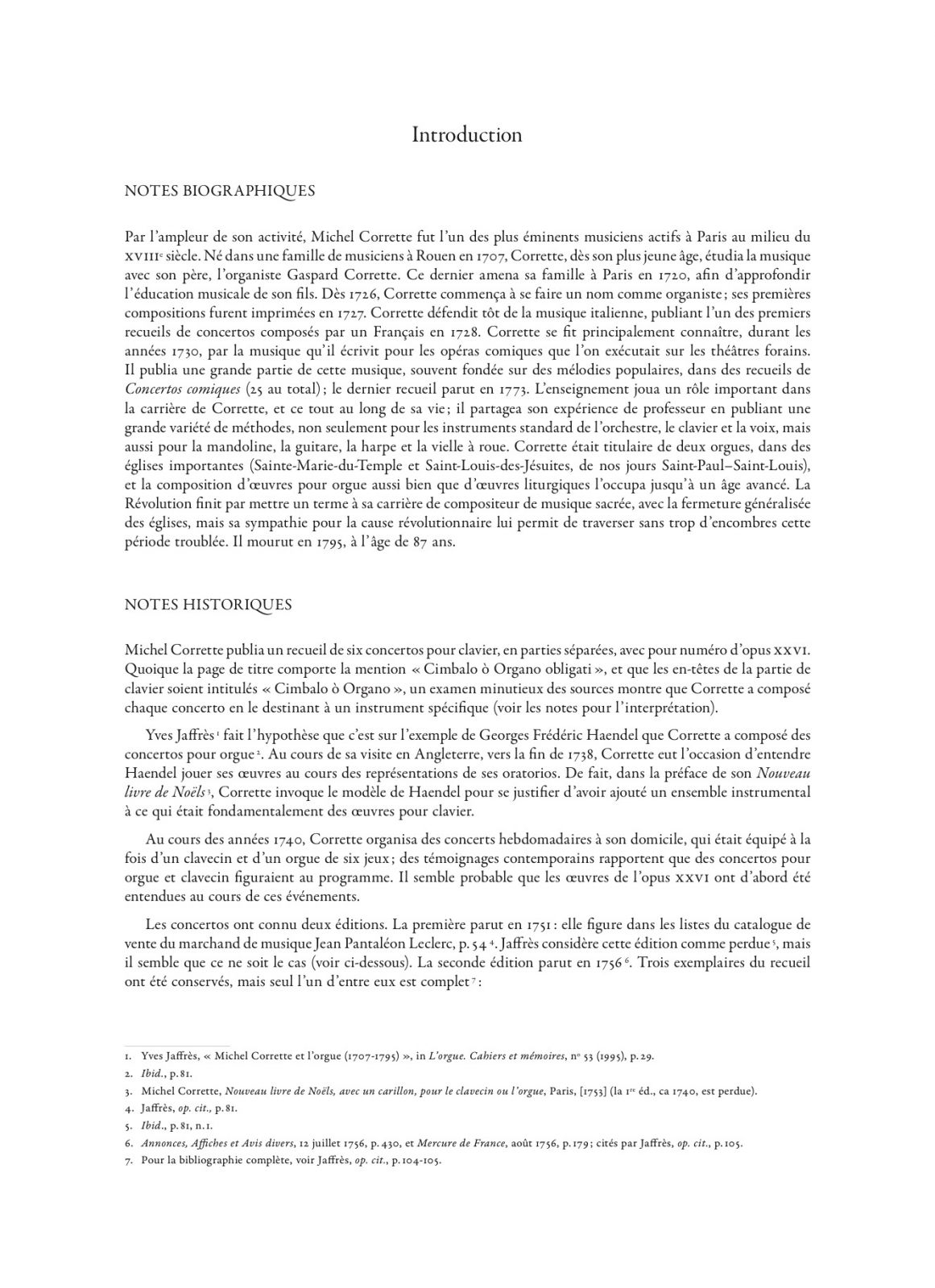
Corrette was probably inspired by Handel to compose these concertos. On a trip to London, he heard the latter perform his own works. He refers to it in the preface to his Nouveau livre de Noëls (new book of carols) to justify the addition of an instrumental ensemble to what were basically keyboard works.
Michel Corrette was born in Rouen in 1707 into a family of musicians who moved to Paris in 1720. A defender of Italian music, he was one of the first Frenchmen to publish concertos on the model of Vivaldi, in 1728. Conductor at the Saint Germain and Saint Laurent fairs around 1730, he composed music for the entr’actes, published in the collections of Concertos comiques, the last of which appeared in 1773. As a teacher, he wrote a wide variety of methods for all instruments. As the holder of two important organist posts in the capital, the composition of organ works as well as liturgical works occupied him until an advanced age. He died in 1795, at the age of 87.
Les œuvres
Recommandations


