

Messes
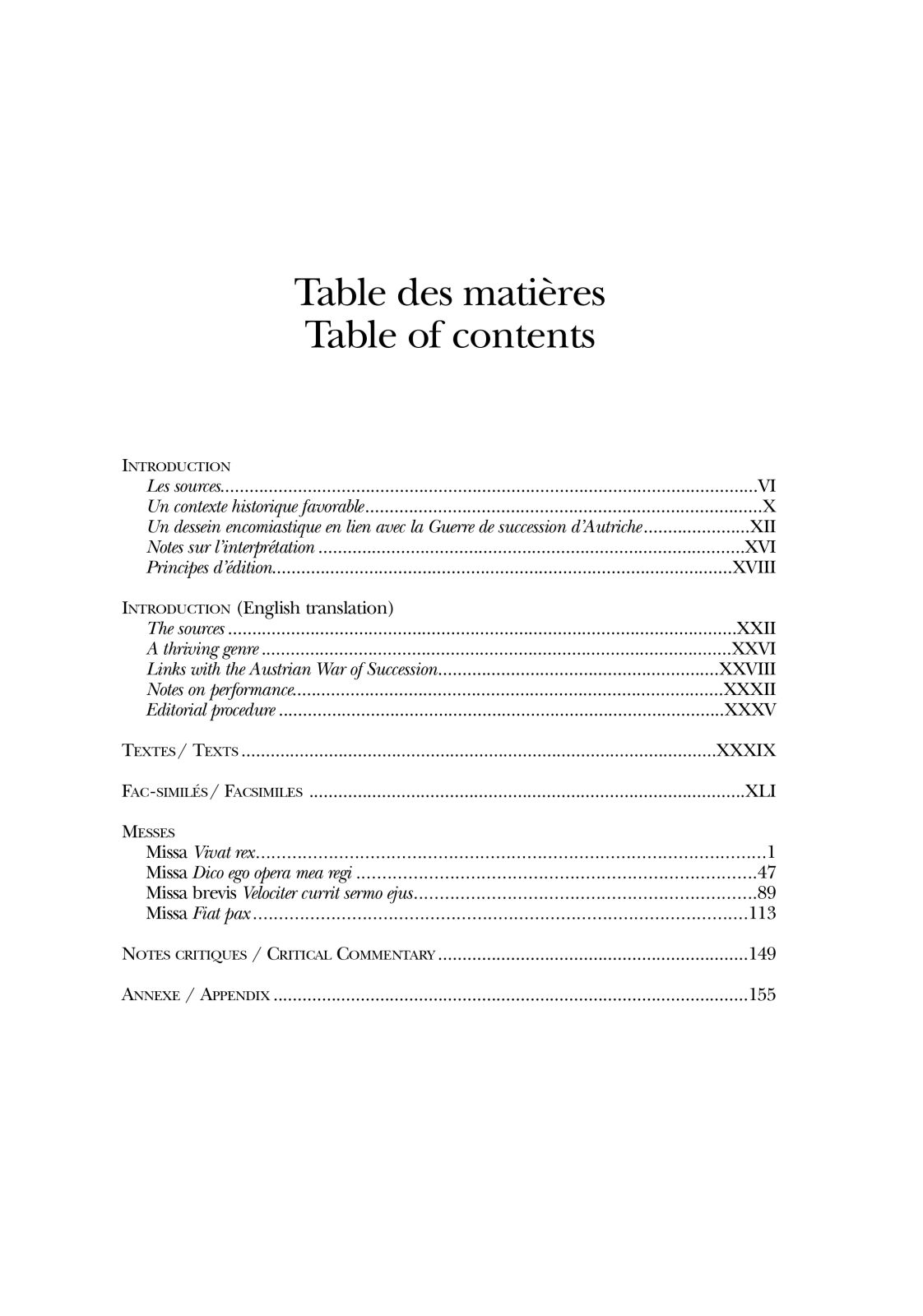
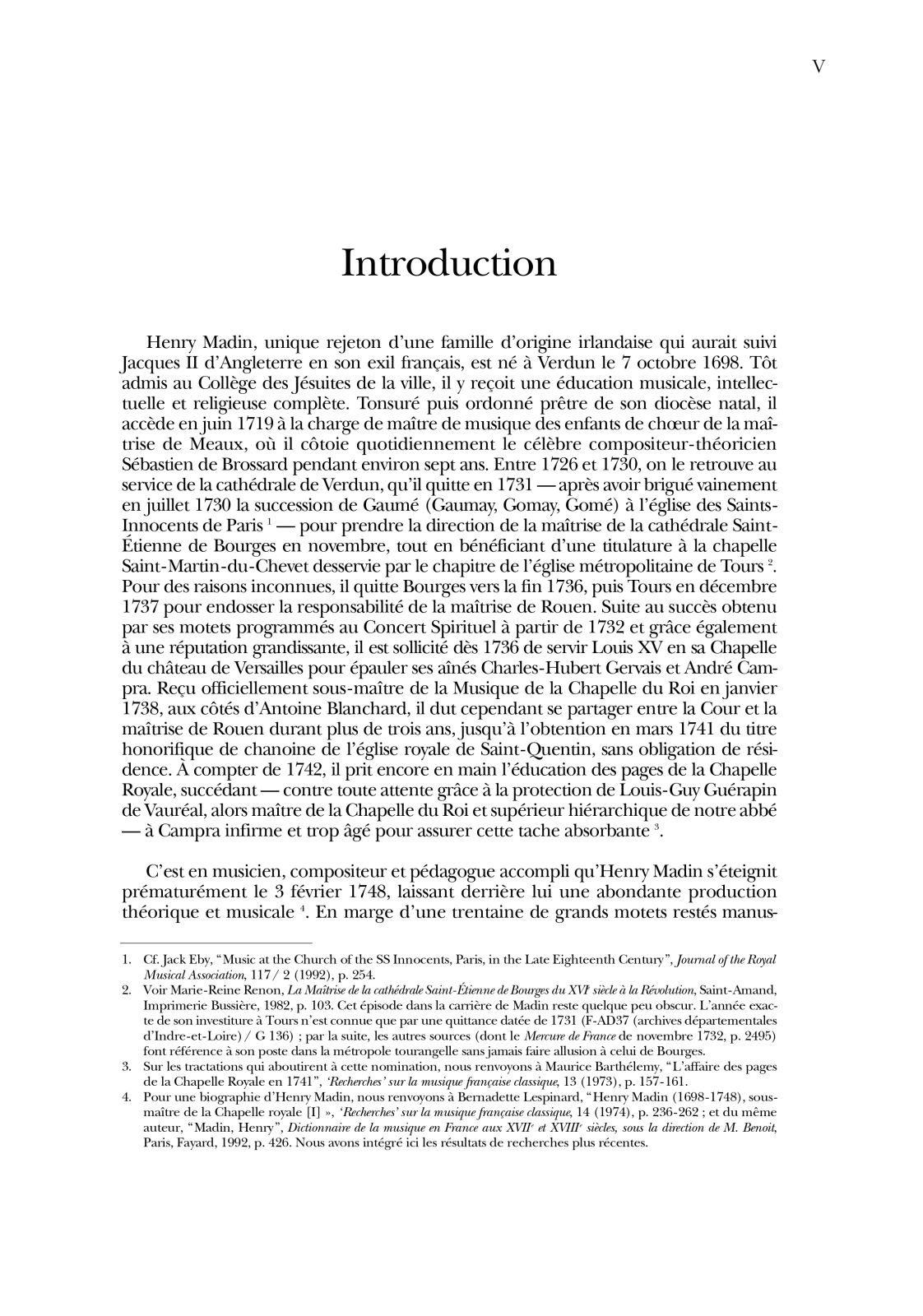
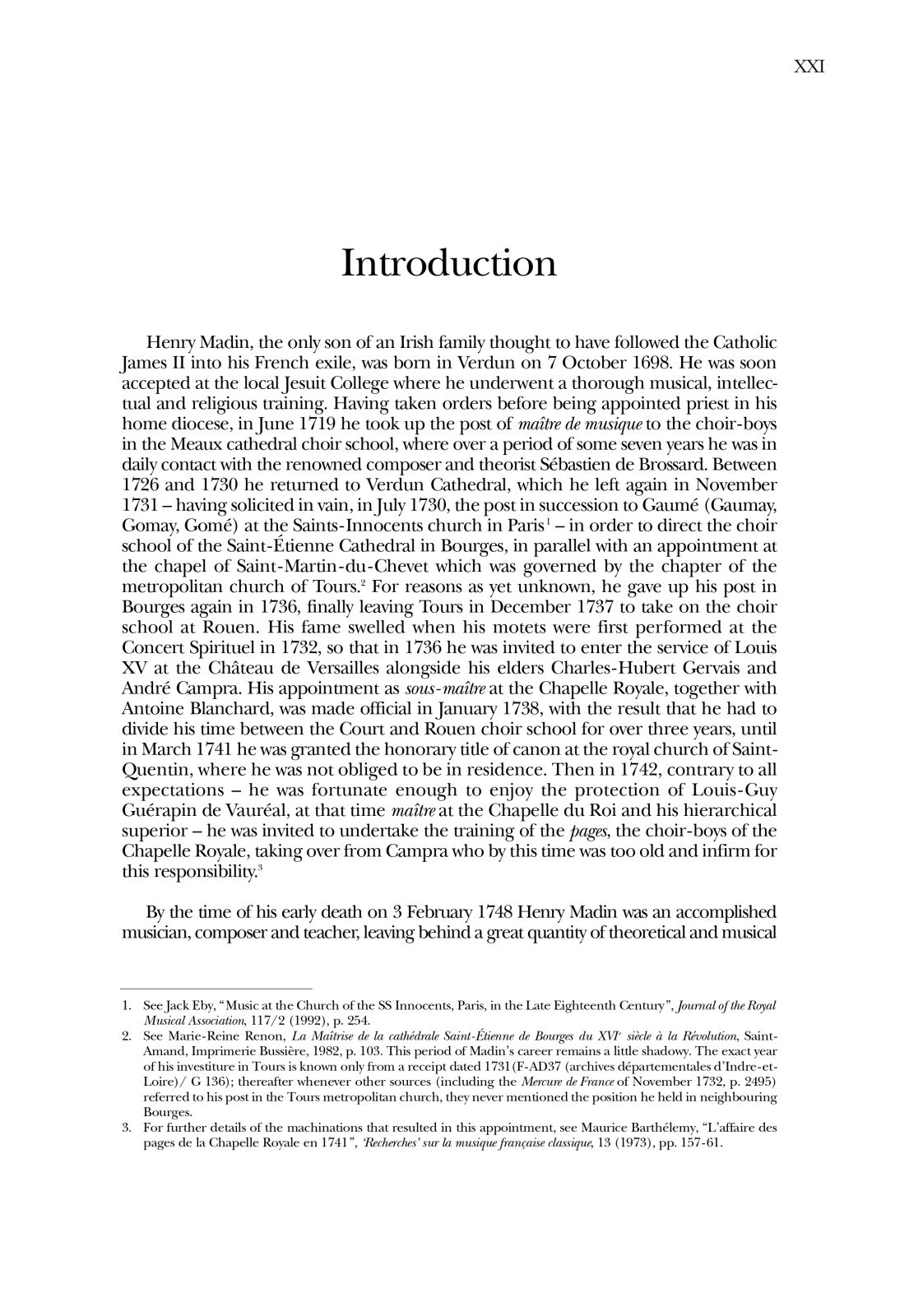
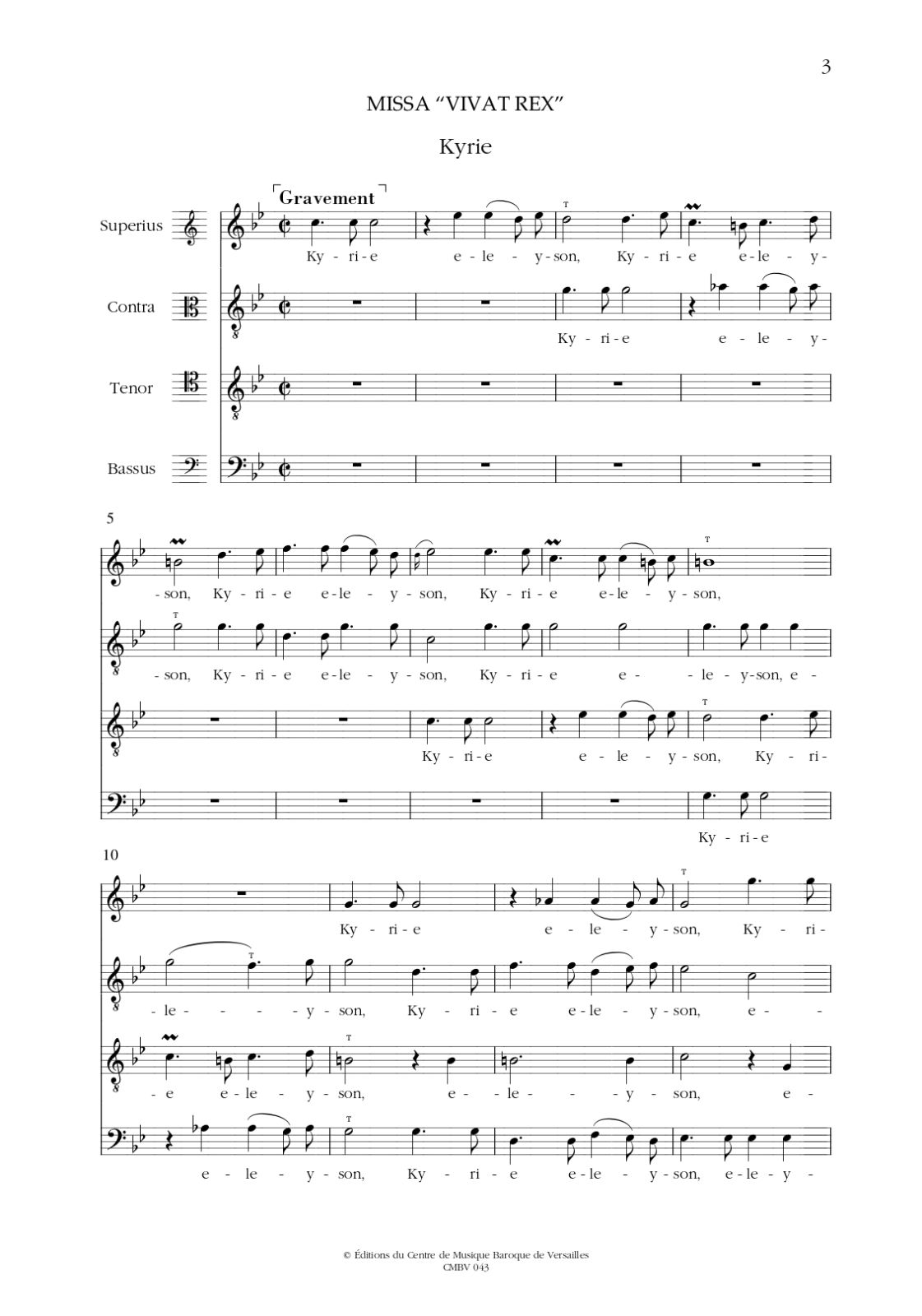
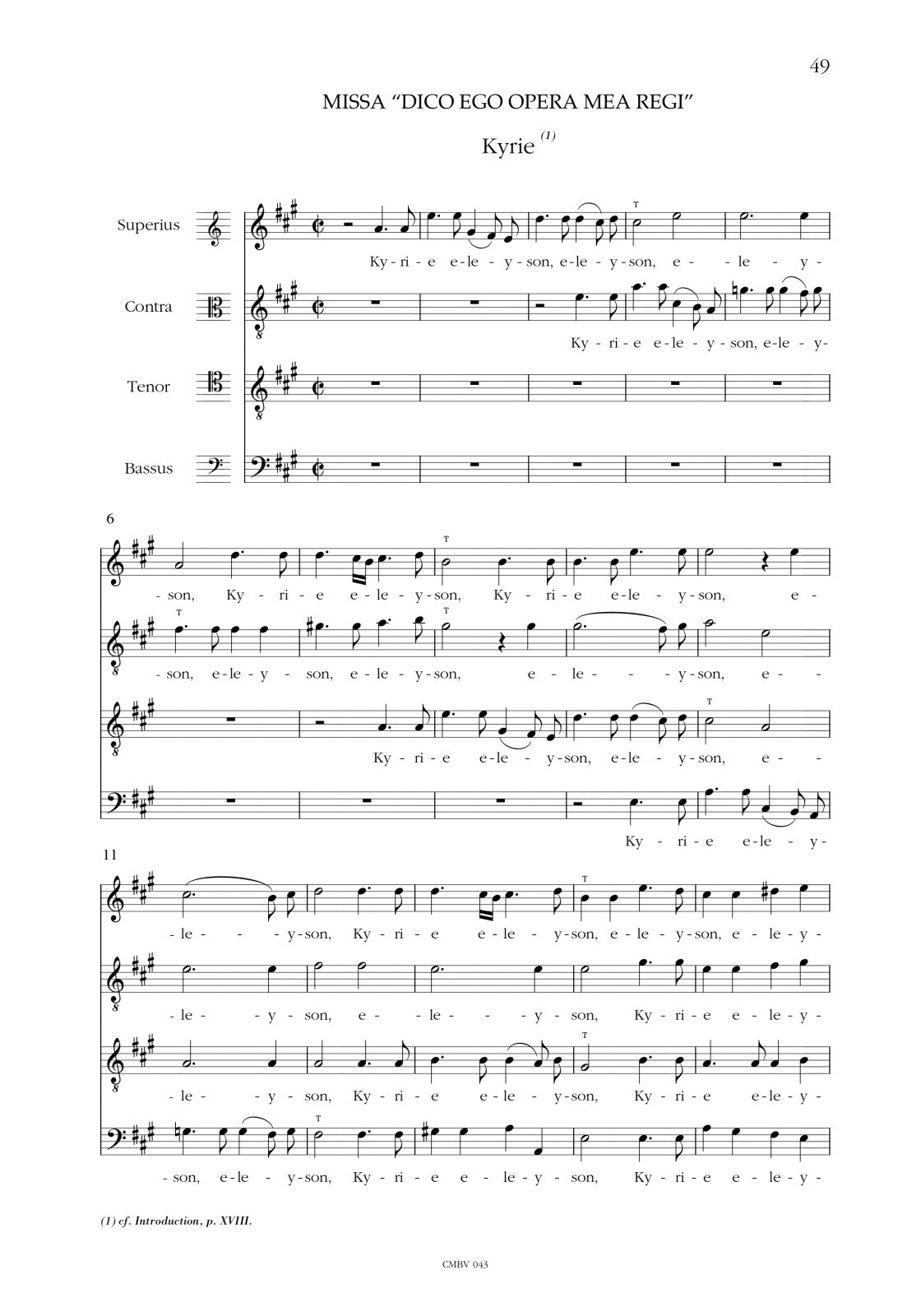
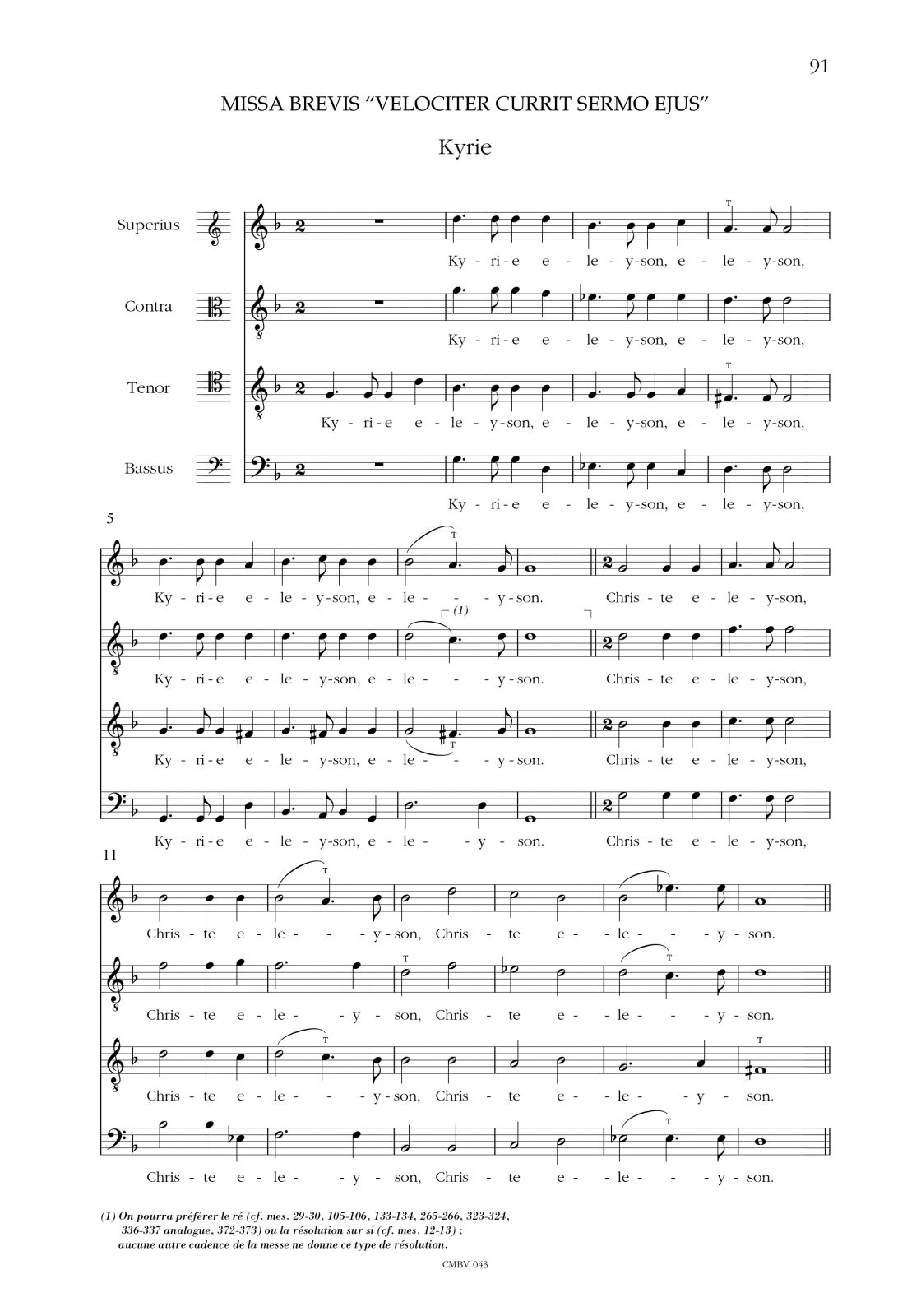
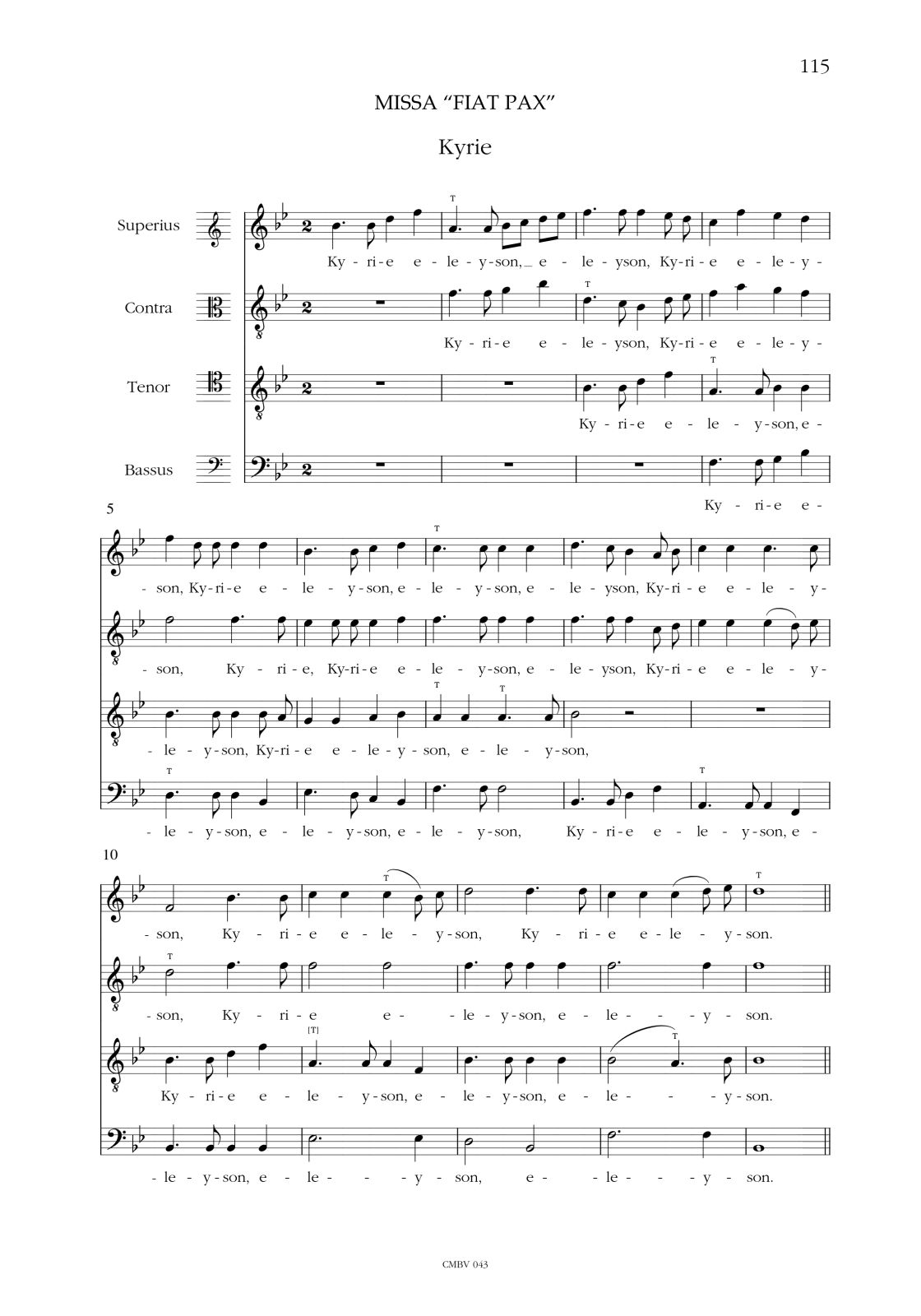


Henry Madin (1698–1748), a French composer of Irish origin born in Verdun, spent his life in the shadow of cathedrals. The multiple skills he acquired as master of music at the choirs of Verdun, Meaux, Bourges, Tours and Rouen, as well as the success of his motets programmed at the Concert Spirituel as early as 1732, earned him a place in Louis XV’s Chapelle Royale from 1736, first alongside his elders Charles-Hubert Gervais and André Campra, and later with Antoine Blanchard and Joseph Cassanéa de Mondonville. While the grands motets he composed for the King were soon hailed by Titon du Tillet, who considered Madin "one of the best composers of this century for motets" (Le Parnasse françois, 1755 edition), his four masses went unnoticed, despite their great beauty and undeniable oratorical power: in them, the Verdun-born composer demonstrates a priest-like authority and displays meticulous composition, excellent mastery of counterpoint and a definite sense of drama. These works were crying out to be put published in a scholarly edition. Amateur and professional choirs alike will find in these pages the finest jewels of the genre, and their intrinsic value should not obscure their possible political purpose, i.e. to provide official propaganda at the height of the War of the Austrian Succession.
2nd violin part later added anonymously to the Missa Vivat rex
Les œuvres
Recommandations


